Schedule An Appointment With Us
Are Your Symptoms Affecting Your Quality Of Life?
Consult our MOH-accredited orthopaedic surgeon for an accurate diagnosis & personalised treatment plan.


MBBS
MRCSEd
MMED (Ortho)
FRCSEd
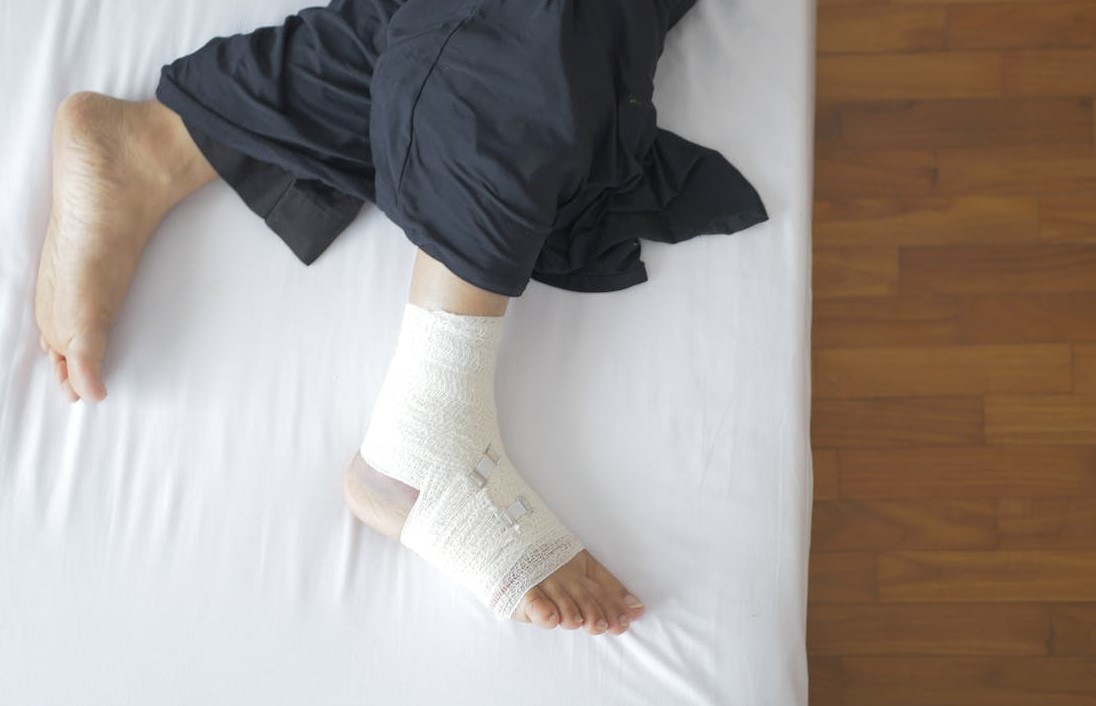
Fractures are a medical condition where there is a disruption in the structural integrity of bones. This disruption typically involves the breaking or cracking of bone tissues.
Fractures are not uniform and can be classified into different types, such as simple or closed fractures, where the bone remains beneath the skin, and compound or open fractures, which involve an open wound at the fracture site.
Fractures result from a variety of causes, each linked to different mechanisms of injury.
Fractures manifest through a range of symptoms, varying based on factors like the fracture’s type, location, and severity.
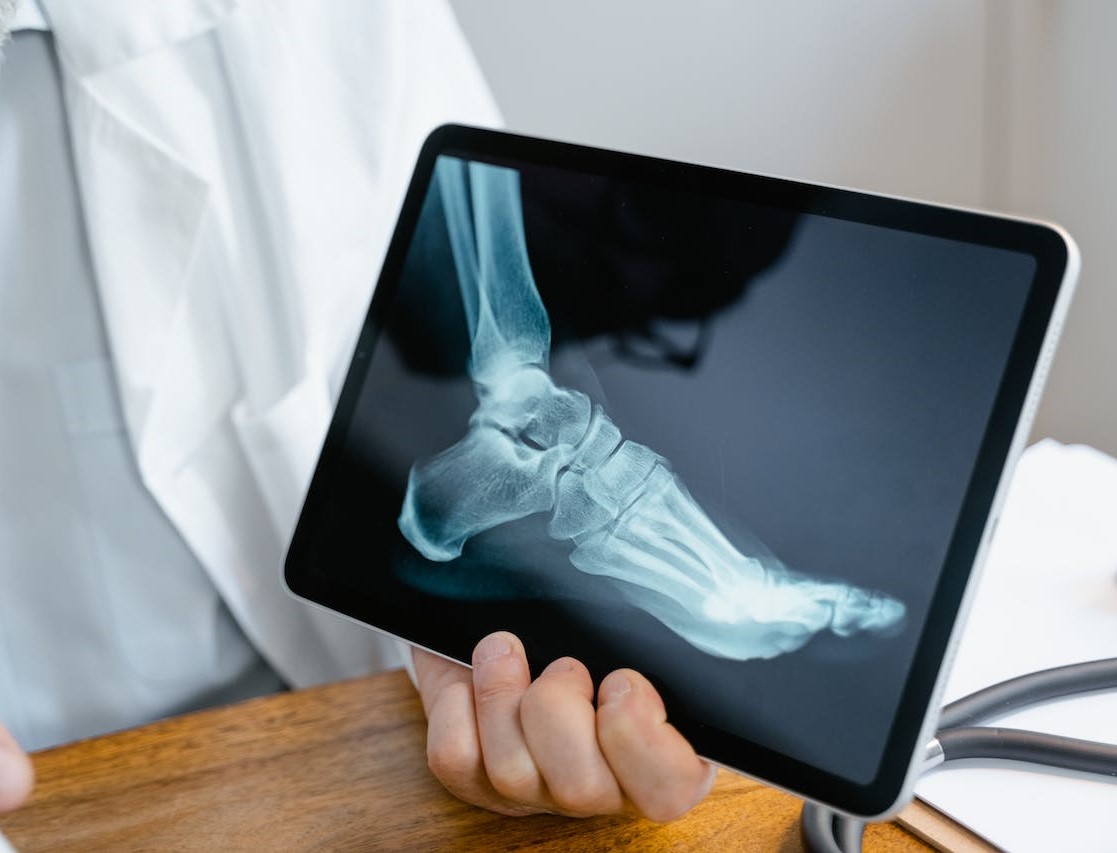
The process of diagnosing a fracture involves a combination of clinical assessment and medical imaging.
Non-surgical methods play a role in treating many fractures, focusing on stabilisation and pain management to facilitate healing.
Immobilisation |
For a majority of fractures, the broken bone is immobilised to enable healing. This is achieved using casts, splints, or braces, depending on the fracture type and need for swelling accommodation. |
Weight-Bearing Restrictions |
Depending on the fracture type, patients may be guided to limit weight-bearing on the affected limb and use assistive devices like crutches or walkers. |
Closed Reduction |
For displaced fractures, where the bone ends are misaligned, closed reduction is performed. This non-surgical procedure realigns the bone manually without the need for surgery. |
Orthopaedic Devices |
In certain cases, devices such as external fixators or traction may be employed to stabilise fractures or correct deformities. |
Pain Medication |
Pain relief is an aspect of fracture treatment. Over-the-counter or prescription pain relievers are often recommended to manage discomfort. |
Physical Therapy |
Physical therapy can help regain strength, flexibility, and range of motion. Tailored exercises and rehabilitation programs aid in recovery. |
Surgical intervention is often required for complex, open, or particularly severe fractures. The surgical methods employed aim to realign, stabilise, and promote the healing of the broken bone.
Utilised for repositioning and securing fractured bones, this technique involves the insertion of metal screws, plates, rods, or pins to hold the bone fragments in place, facilitating proper healing.
In this method, surgeons insert screws into the bone on either side of the fracture and connect them to a brace or frame outside the body. This stabilises the fracture, allowing initial healing before potential further surgery.
Schedule An Appointment With Us
Consult our MOH-accredited orthopaedic surgeon for an accurate diagnosis & personalised treatment plan.
Preventing fractures involves a combination of lifestyle adjustments, safety measures, and proactive health management.

MBBS
MRCSEd
MMED (Ortho)
FRCSEd
With over 20 years of experience, Dr Poh Seng Yew (傅圣耀) is an orthopaedic surgeon specialising in hip, knee, shoulder and elbow surgery, sports medicine, and trauma surgery.




















Weekdays: 9.00am – 5.00pm
Saturdays: 9.00am – 1.00pm
Sundays and Public Holidays: Closed
Please leave us a message, and we will be in touch with you shortly.
While our clinic is located at Mount Elizabeth Novena, our specialists are also able to admit patients and perform surgeries at other private hospitals, including Mount Alvernia Hospital, Farrer Park Hospital, and Thomson Medical Centre.
The ability to walk on a fractured leg or foot depends on the nature of the fracture. In cases of stable and well-aligned fractures, limited weight-bearing with the aid of crutches or a walker might be permissible. For fractures that are displaced or have required surgical intervention, complete avoidance of weight-bearing can help prevent further damage.
If not managed properly, fractures can potentially lead to complications including arthritis in affected joints, chronic pain, and limitations in movement. Additionally, improperly healed fractures can result in malunion or nonunion. Adhering to treatment plans and engaging in prescribed rehabilitation can help minimise these risks.
The healing duration for a fracture varies, depending on factors such as the type and location of the fracture, the individual’s age and general health, and the treatment method. Simple fractures might heal within 4-6 weeks, while complex fractures, especially those involving large bones or joints, may take several months.
Returning to sports after a fracture is possible, but it depends on the fracture’s severity, the healing process, and the specific sport. Rehabilitation plays a role in restoring strength and mobility. A thorough assessment by a fracture specialist is necessary before resuming sports activities. They can guide the appropriate timing and provide any necessary precautions to reduce the risk of re-injury.

