Inflammatory bowel disease (IBD) affects more than your digestive system. People with Crohn’s disease and ulcerative colitis have a higher risk of developing bone problems, including osteoporosis and fractures.
This article explains the connection between IBD and bone health, symptoms to monitor, and steps that may help maintain bone strength alongside your IBD management.
How Does IBD Affect Your Bones?
Inflammatory bowel disease (IBD) may weaken your bones over time due to several interconnected factors:
Chronic inflammation: Ongoing inflammation in IBD releases cytokines that interfere with cells responsible for building new bone tissue.
Nutrient absorption problems: Damage to the intestinal lining can limit your body’s ability to absorb calcium, vitamin D, and other minerals essential for strong bones.
Corticosteroid medications: Steroid treatments for IBD flares may reduce bone density, especially with long-term use.
Reduced physical activity: IBD symptoms may limit your ability to exercise, affecting natural bone-strengthening processes.
Common Bone Problems Linked to IBD
People with inflammatory bowel disease may develop specific bone-related conditions. These conditions often develop without obvious symptoms initially.
Osteopenia: This condition occurs before more serious bone loss. It means bone density is lower than normal but not yet at the osteoporosis level
Osteoporosis: Bones become weaker, making breaks more likely from minor falls or even coughing, particularly in the spine and hips. It increases the risk of fractures
Delayed fracture healing: When breaks do occur, inflammation and nutrient absorption issues can slow the healing process
Vertebral compression fractures: These spine fractures may occur without obvious trauma. It can happen during routine activities and may cause persistent back pain
IBD Risk Factors That Increase Bone Problems
Certain factors can further increase your risk of developing bone complications if you have IBD:
Long-term corticosteroid use: Using prednisolone or similar medications for more than three months raises the risk of bone loss.
Small bowel Crohn’s disease: Inflammation in the small intestine especially affects calcium and vitamin D absorption.
Post-menopausal women: Natural bone loss from reduced oestrogen can worsen when combined with IBD-related factors.
Previous bowel surgery: Surgical removal of sections of the intestine may further limit nutrient absorption critical for bone health.
How to Protect Bone Health with IBD?
Taking certain steps may help maintain bone strength whilst managing inflammatory bowel disease. These approaches can work alongside IBD treatment.
Regular bone density scans may track changes over time: DEXA scans every 1-2 years can help detect changes before fractures occur
Calcium and vitamin D supplementation may address absorption gaps: Your doctor may recommend doses above typical amounts due to absorption challenges
Weight-bearing exercise may strengthen bones when symptoms allow: Walking, or resistance training can stimulate bone formation, though activities should be adapted to energy levels
IBD medication optimization may reduce corticosteroid dependence: You may be referred to a colorectal specialist to discuss strategies for managing IBD, which can support both gut and bone health.
When to Consider Orthopaedic Support for Bone Problems
In some cases, IBD-related bone loss, fractures, or joint issues may benefit from orthopaedic assessment. Consult an orthopaedic specialist if you experience persistent pain, reduced mobility, or fractures that do not heal well.
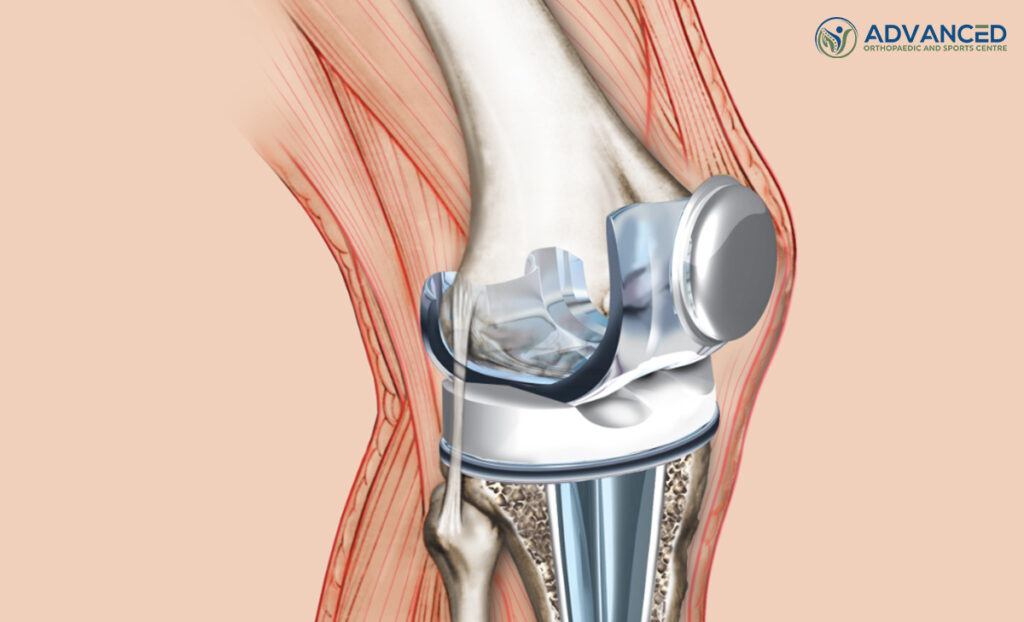
Depending on your condition, treatment options could include procedures to realign joints, minimally invasive techniques to assess joint health, or surgery to replace severely damaged joints in areas such as the hip, knee, or shoulder.
Conclusion
Bone health concerns are common in people with IBD and may require input from an orthopaedic specialist to help prevent fractures or other complications.
If you experience fractures, joint pain, or mobility problems that significantly affect daily life, speak with your orthopaedic specialist for appropriate evaluation and treatment guide.