For individuals in Singapore experiencing persistent shoulder pain, stiffness, weakness, or difficulty lifting your arm, a specialist assessment may help identify the underlying cause and guide appropriate next steps.
Former Director Of Sports Service At SGH with 20+ Years Experience
Same Day Appointments Possible – Mount Elizabeth Novena Specialist Centre
Confidential consultation. Our clinic team will contact you within one working day.
Shoulder Symptoms That Warrant A Specialist Assessment
If any of the following symptoms have persisted for more than two weeks, a focused shoulder assessment may help identify the cause.
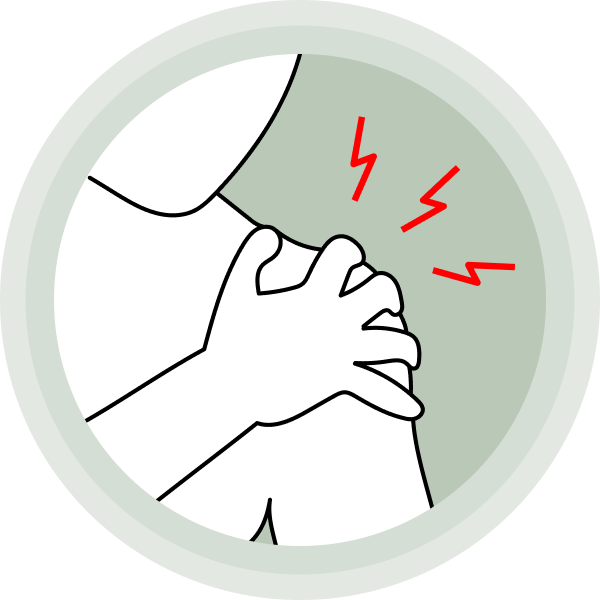
Persistent Shoulder Pain
Ongoing pain that does not settle with rest may indicate rotator cuff injury, impingement, or early frozen shoulder and should be assessed by a specialist.
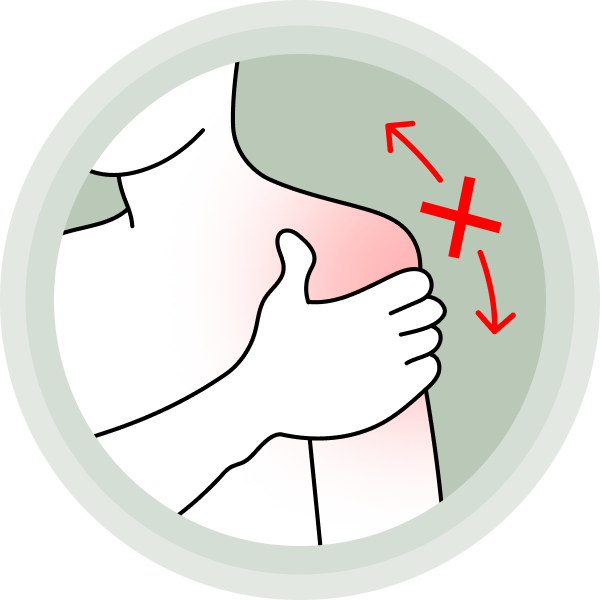
Difficulty Lifting Your Arm
Trouble raising your arm overhead or to the side may suggest a rotator cuff tear or shoulder impingement that warrants clinical review.
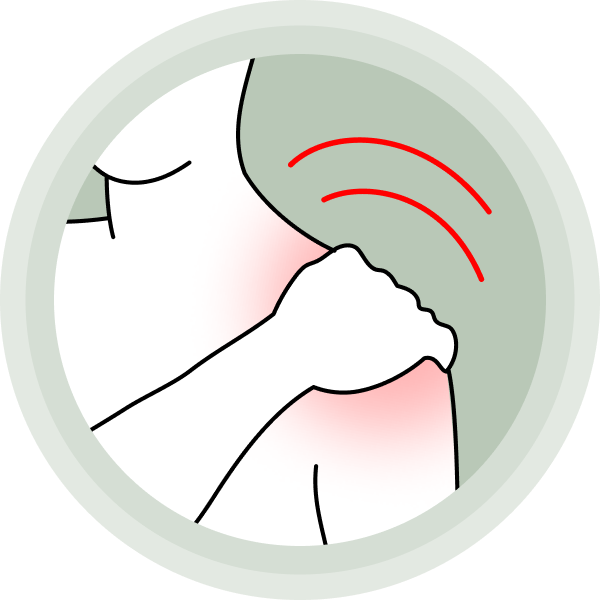
Pain At Night Or When Lying On It
Shoulder pain that disturbs sleep is a common feature of rotator cuff problems and frozen shoulder, and is often a sign the condition is progressing.
Stiffness Or Reduced Range Of Motion
Progressive loss of movement can indicate adhesive capsulitis (frozen shoulder) or post-injury scarring that benefits from early assessment.
Clicking, Catching, Or Weakness
A sensation of grinding, instability, or sudden weakness may point to a labral tear, rotator cuff injury, or shoulder instability that should be examined.
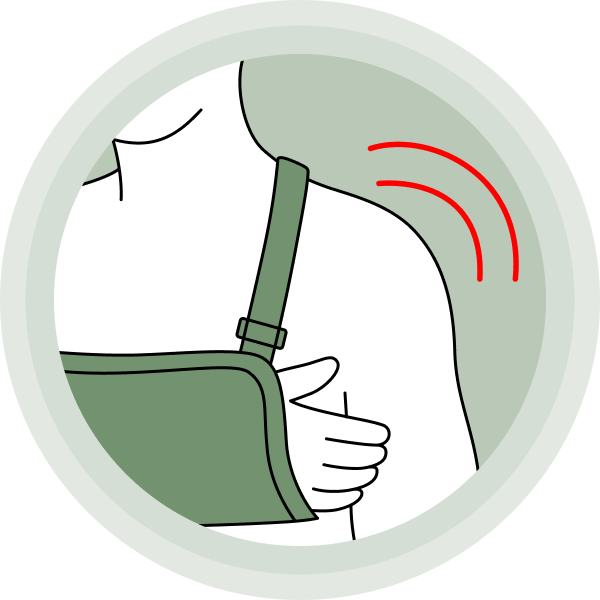
Pain After A Fall Or Injury
Persistent pain following trauma may indicate a soft-tissue tear, fracture, or dislocation that requires imaging and specialist review.
Specialist Shoulder Assessment in Singapore
A focused consultation to help assess your shoulder symptoms, explore possible underlying causes, and guide appropriate next steps.
Review of your symptoms and medical history
Physical examination of shoulder function
Imaging review (X-ray or MRI if available)
Clear explanation of findings
Discussion of suitable treatment options
Identifying the likely cause of shoulder pain through specialist assessment supports more informed management decisions and may help address ongoing discomfort or reduced mobility.
Care Focused on Shoulder Pain Assessment and Management
Clarity on Your Condition
Understand whether your symptoms may relate to conditions such as frozen shoulder, rotator cuff injury, or joint instability.
Structured Treatment Planning Receive guidance on non-surgical and surgical options where clinically appropriate.
Specialist-Led Consultation Assessment conducted by an orthopaedic specialist experienced in shoulder conditions.
Focus on Daily Function Care planning aimed at improving movement, comfort, and day-to-day activity.
Your assessment is conducted directly by Dr Poh Seng Yew — not delegated to junior staff.
Non-Surgical Options First, Where Appropriate
Many shoulder conditions respond to physiotherapy, injections, or activity modification. Surgery is recommended only when clinically indicated.
Clear Explanations, No Jargon
You will leave the consultation understanding your condition, your options, and the reasoning behind any recommendation.
Coordinated Imaging & Follow-Up
On-site access to imaging and a structured follow-up plan, so you are not left navigating next steps alone.
Request A Shoulder Pain Treatment Consultation
Our clinic team will contact you within one working day to confirm your appointment.
No obligation to proceed with treatmentAll information kept strictly confidentialPrompt communication from our clinic team
Dr Poh Seng Yew
MBBS
MRCSEd
MMED (Ortho)
FRCSEd
With over 20 years of experience,Dr Poh Seng Yew (傅圣耀) is an orthopaedic surgeon specialising in hip, knee, shoulder and elbow surgery, sports medicine, and trauma surgery.
Former Director of Sports Service, Department of Orthopaedic Surgery, Singapore General Hospital
Clinical Hip and Sports Medicine Fellow, Orthopädische Chirurgie München (OCM), Germany
Fellow, Royal College of Surgeons of Edinburgh, FRCSEd (Orthopaedic Surgery)
Weekdays: 9.00am – 5.00pm
Saturdays: 9.00am – 1.00pm
Sundays and Public Holidays: Closed
Frequently Asked Questions
When should I see a specialist for shoulder pain?
If your shoulder pain persists, worsens, or affects your daily activities, a medical assessment may help determine the cause and appropriate management.
What causes shoulder pain?
Shoulder pain may be related to conditions such as tendon injury, joint inflammation, or structural issues. A clinical assessment helps determine the cause.
Do I need a referral to book a consultation?
No referral is required to see Dr Poh. You can book directly through this page or by calling the clinic. If you have an existing referral letter or scans, please bring them to your consultation.
What happens during the consultation?
Dr Poh will review your symptoms and history, examine your shoulder movement and function, and look at any imaging you have. You will receive a clear explanation of the likely diagnosis and the treatment options suited to your condition.
Will I need an MRI or X-ray?
Imaging is not always required. Dr Poh will advise if further investigation is appropriate based on your condition.
Are non-surgical treatments available?
Yes – where clinically appropriate, non-surgical options may be discussed as part of your treatment plan.
Is surgery always required?
Not all shoulder conditions require surgery. Treatment options will be discussed based on your condition.
Does insurance cover shoulder surgery in Singapore?
Many Integrated Shield Plans and corporate insurance policies cover orthopaedic procedures performed by MOH-accredited specialists, subject to your individual policy terms. We recommend contacting your insurer or speaking with our clinic staff to confirm your coverage.
How soon should I seek assessment?
If your symptoms persist, worsen, or affect daily activities, a medical assessment may be appropriate.
How soon can I get an appointment?
Our clinic team will contact you within one working day to arrange the earliest available appointment based on your preference.
What if I’m unsure whether my condition is serious?
If you are experiencing ongoing discomfort or uncertainty about your symptoms, a consultation can help clarify your condition and next steps.