Cartilage damage in the ankle is a common issue, especially after injuries like sprains or fractures. When the damage doesn’t heal properly, it can lead to ongoing pain and stiffness. In such cases, a surgical treatment may be considered to help the body grow new cartilage and restore joint function.
Understanding when this might be recommended and what the procedure involves can guide your next steps in managing ankle pain.
What Is Ankle Microfracture Surgery?
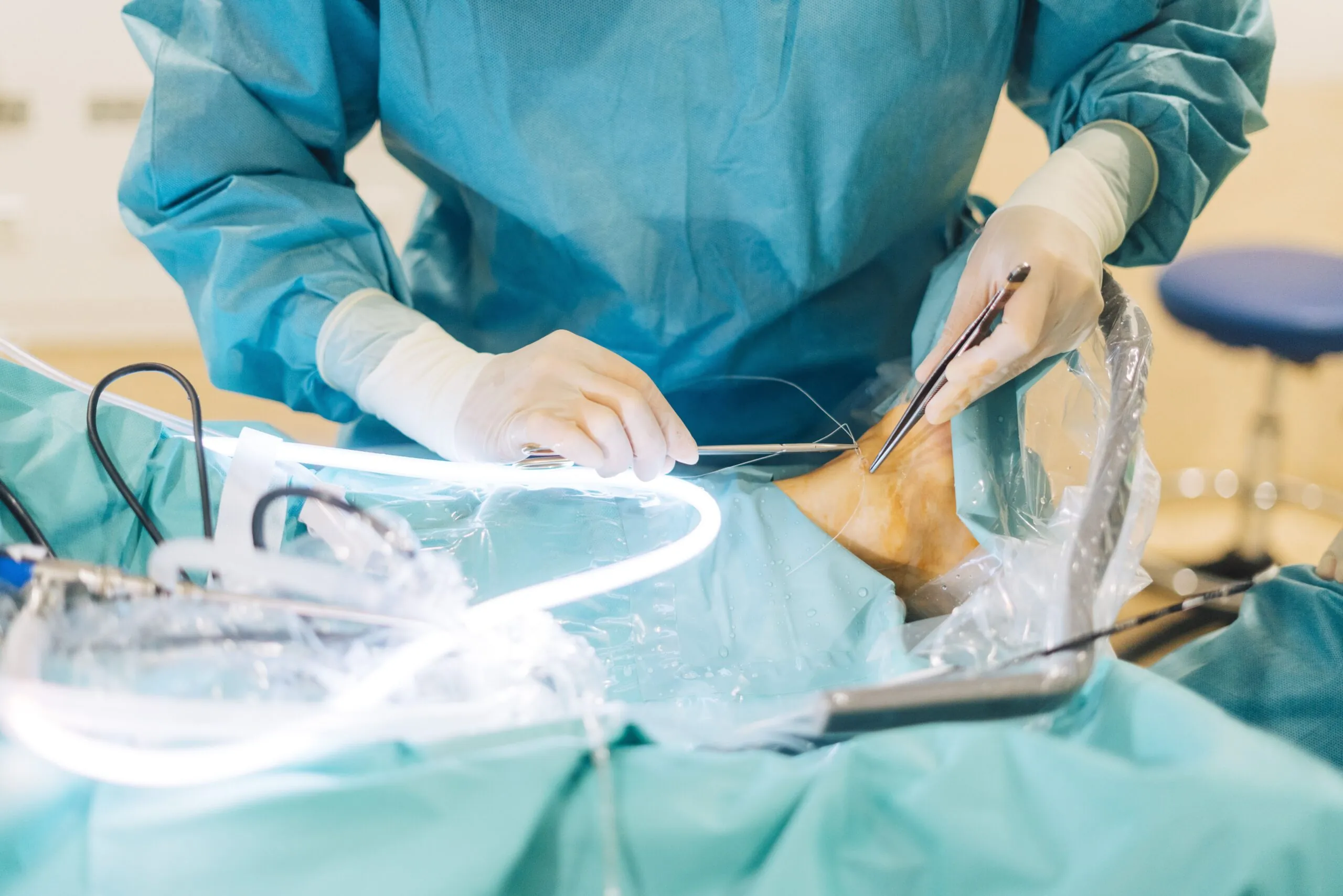
Ankle microfracture surgery is used to treat areas where cartilage in the joint has worn down or been damaged, which can cause painful bone-on-bone contact. During the procedure, the surgeon makes tiny openings in the bone beneath the damaged cartilage. This stimulates the body’s natural healing response, encouraging the growth of new cartilage-like tissue to cushion the joint.
The procedure is typically done through small incisions using a thin camera and instruments (arthroscopy). It usually takes 30 to 60 minutes, and most patients can go home the same day.
Who Might Need Ankle Microfracture Surgery
This procedure may be recommended if cartilage damage in the ankle causes pain or limits movement, especially in the following cases:
Osteochondral lesions: Damage to both cartilage and underlying bone, often after an ankle sprain or fracture that didn’t heal properly.
Post-traumatic arthritis: Joint pain and stiffness that develop after a major ankle injury due to cartilage wear.
Localised cartilage defects: Small areas of cartilage loss that haven’t improved with physiotherapy, medication, or injections.
Young, active individuals with isolated damage: Best suited for those with good bone health and damage limited to one area.
Common Symptoms That May Indicate the Need for Surgery
- Deep ankle pain during activity (e.g. walking, running, or climbing stairs).
- Stiffness and limited range of motion, especially in the morning.
- Swelling that persists despite home care.
- A sensation of catching, locking, or the ankle “giving way”.
What to Expect During Recovery
Recovery from ankle microfracture surgery takes several months and involves a phased rehabilitation plan:
First 6–8 weeks (Non-weight bearing): You’ll need crutches to keep weight off the ankle, allowing new cartilage tissue to develop properly.
Weeks 6–8 onward (Gradual weight bearing): Transition begins with partial weight in a protective boot, followed by a gradual return to normal footwear.
Physiotherapy: Early rehab focuses on restoring movement. As healing continues, exercises progress to strength, balance, and mobility training.
Full recovery in 4–6 months: High-impact activities like running or sports usually resume within this period, depending on your individual healing progress.
Supporting Long-Term Joint Health After Surgery
Ankle microfracture surgery is generally safe, but certain factors during recovery can affect outcomes:
Healing varies by individual: The body responds differently to treatment, and the growth of new cartilage may take time. In some cases, further care may be needed to optimise results.
Movement may feel limited at first: Some stiffness is expected early in recovery, but with consistent physiotherapy, most patients gradually regain better ankle flexibility and strength.
Recovery is a long-term process: Microfracture helps restore joint function, but outcomes can depend on activity level, the condition of the joint, and how well rehab guidelines are followed.
Conclusion
Ankle microfracture surgery can be an effective option for patients with isolated cartilage damage, provided they are able to follow a structured rehabilitation programme. If persistent ankle pain is affecting your mobility or quality of life, consult an ankle doctor to assess whether this procedure is suitable for your condition.