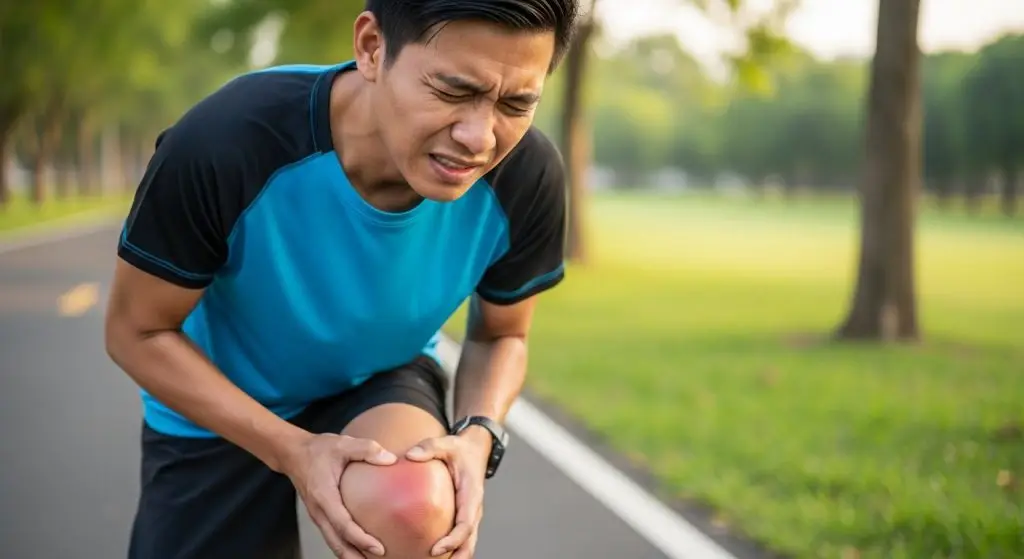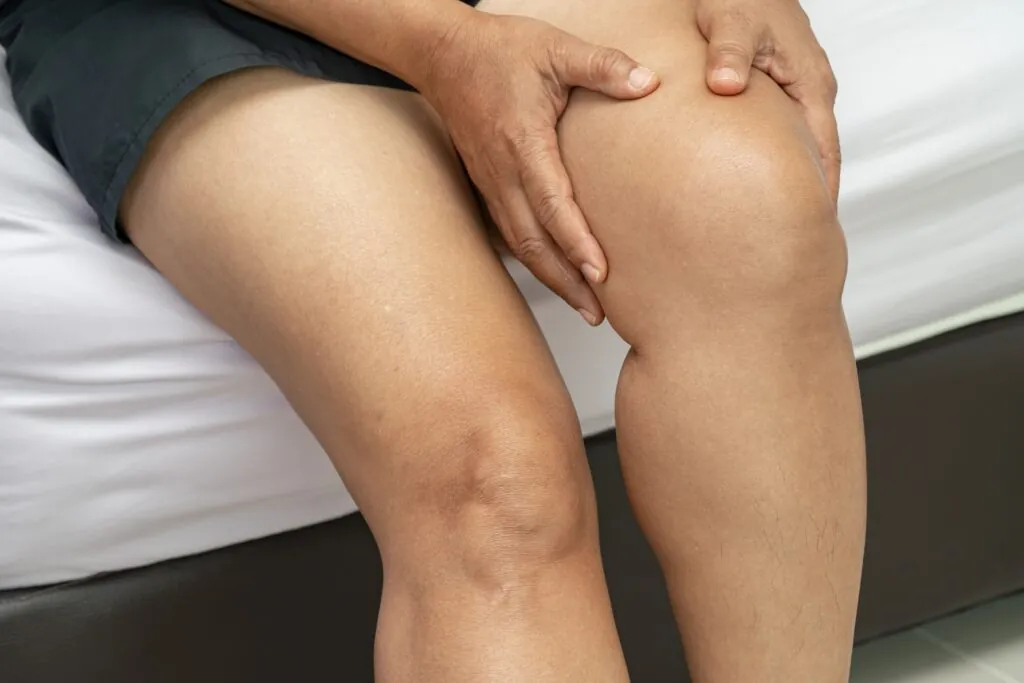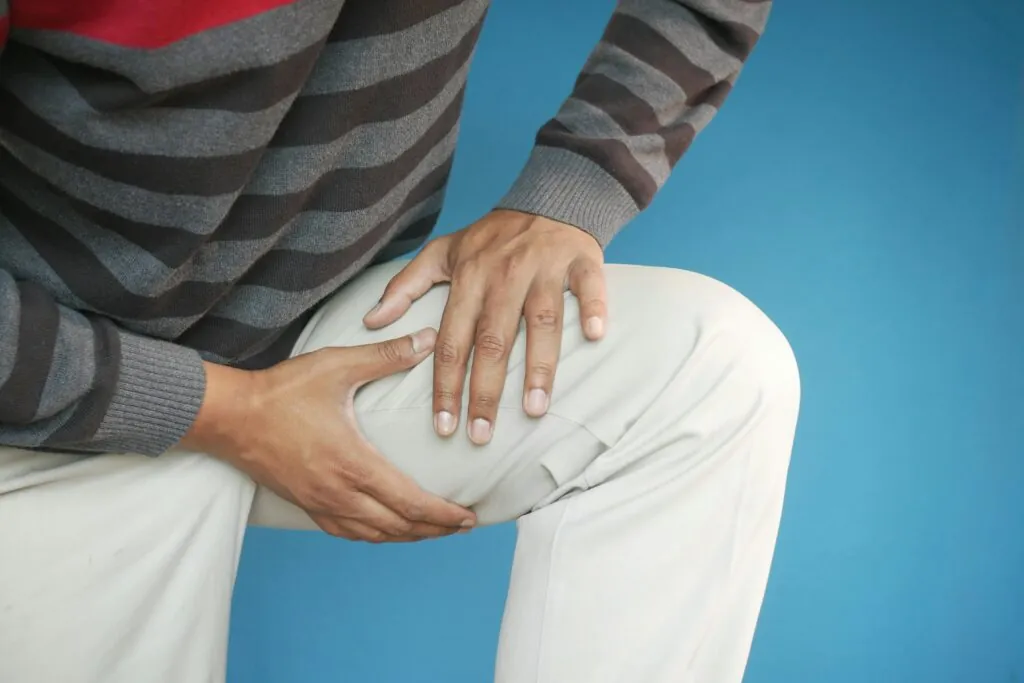
Knee ligament injuries are common, especially among individuals involved in sports or physically demanding activities. The ligaments stabilise the knee joint and support smooth movement. When injured, these ligaments can cause pain, instability, and reduced mobility.
This article explores the types of knee ligament tears, their causes, symptoms, diagnosis, and treatment options.
Types of Knee Ligament Tears
The knee has four primary ligaments that maintain joint stability and connect the thigh bone (femur) to the shin bone (tibia). Injuries to these ligaments can significantly impact function. Here are the main types of knee ligament tears:
Anterior Cruciate Ligament (ACL) Tear
The ACL stabilises the knee by preventing the shin bone (tibia) from sliding forward relative to the thigh bone (femur). Tears often result from abrupt stops, sudden directional changes, or improper landings after a jump, commonly seen in sports like football and basketball.
Symptoms include a popping sound at the time of injury, rapid swelling, instability, and difficulty bearing weight. These injuries range from partial tears to complete ruptures, with severe cases typically requiring surgery.
Posterior Cruciate Ligament (PCL) Tear
The PCL, located at the back of the knee, prevents the tibia from sliding backwards relative to the femur. PCL tears typically result from direct blows to the front of the knee, such as during a car accident or falling on a bent knee.
Symptoms include pain, swelling, and challenges walking downhill or on uneven surfaces. PCL tears are less common and less severe than ACL injuries, often responding well to conservative treatments.
Medial Collateral Ligament (MCL) Tear
The MCL runs along the inner side of the knee and prevents excessive inward bending of the joint. These injuries are often caused by a direct impact on the outer side of the knee, leading to stretching or tearing of the ligament.
Symptoms include pain, tenderness, stiffness, and difficulty bending the knee. MCL injuries often accompany ACL tears or meniscal damage, especially in severe cases.
Lateral Collateral Ligament (LCL) Tear
Situated on the outer side of the knee, the LCL stabilises the joint against outward bending. Although less common than MCL tears, LCL injuries can occur due to trauma or excessive stress applied to the inner side of the knee.
Symptoms include pain, swelling on the outer side of the knee, and instability. Isolated LCL injuries are rare, often occurring with other knee injuries.
How Knee Ligament Tears Are Diagnosed
Accurate diagnosis of knee ligament tears is necessary for determining the appropriate treatment and preventing further complications. It typically involves a combination of physical assessments and imaging tests.
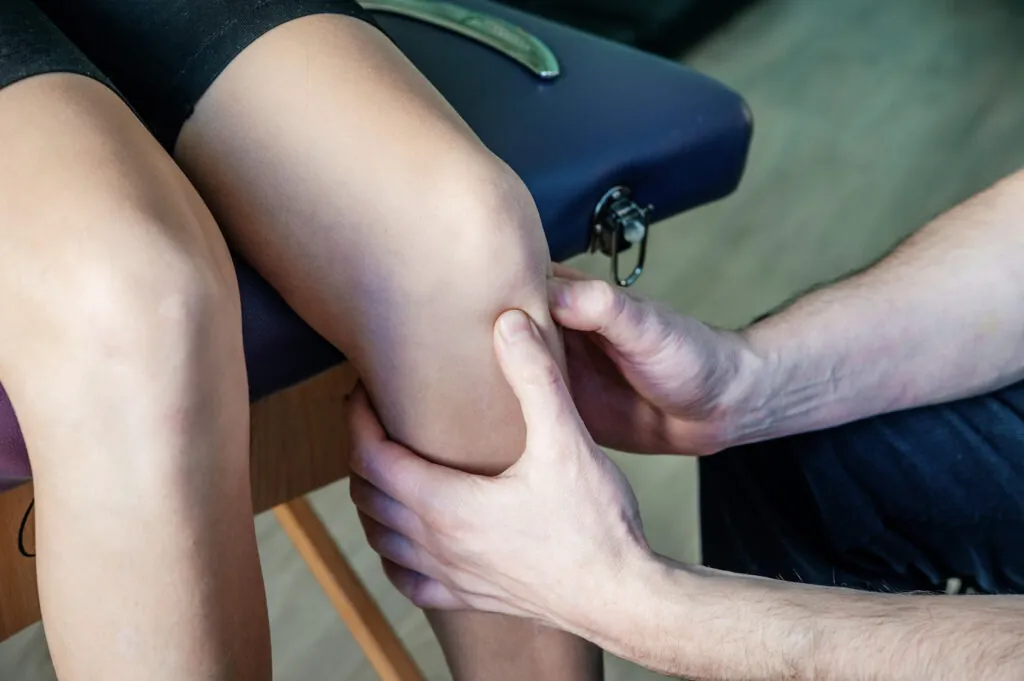
Physical Examination
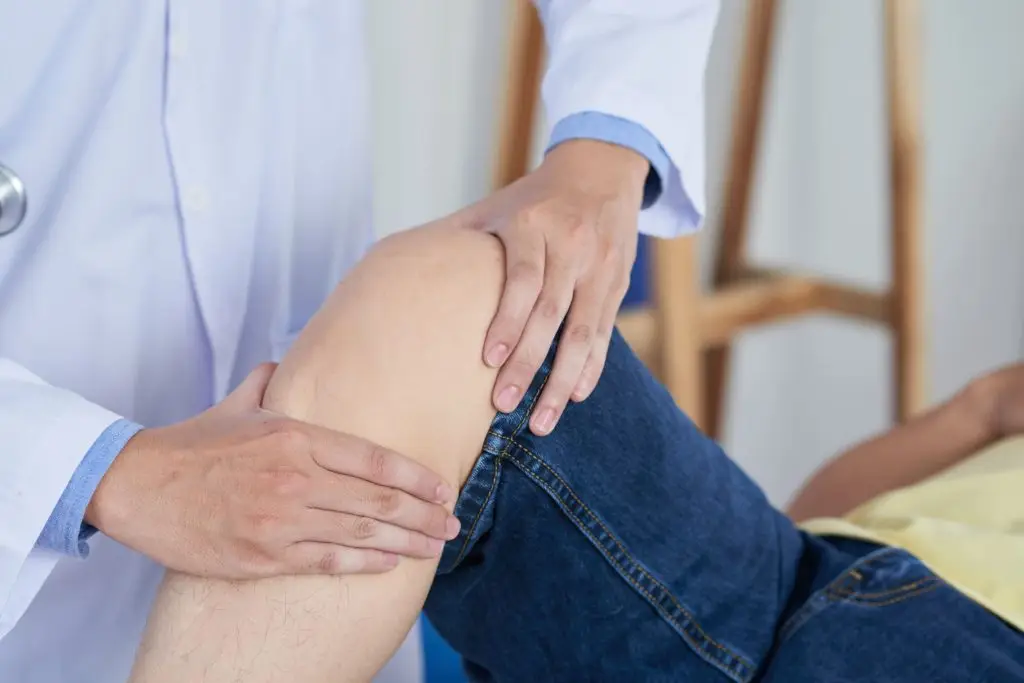
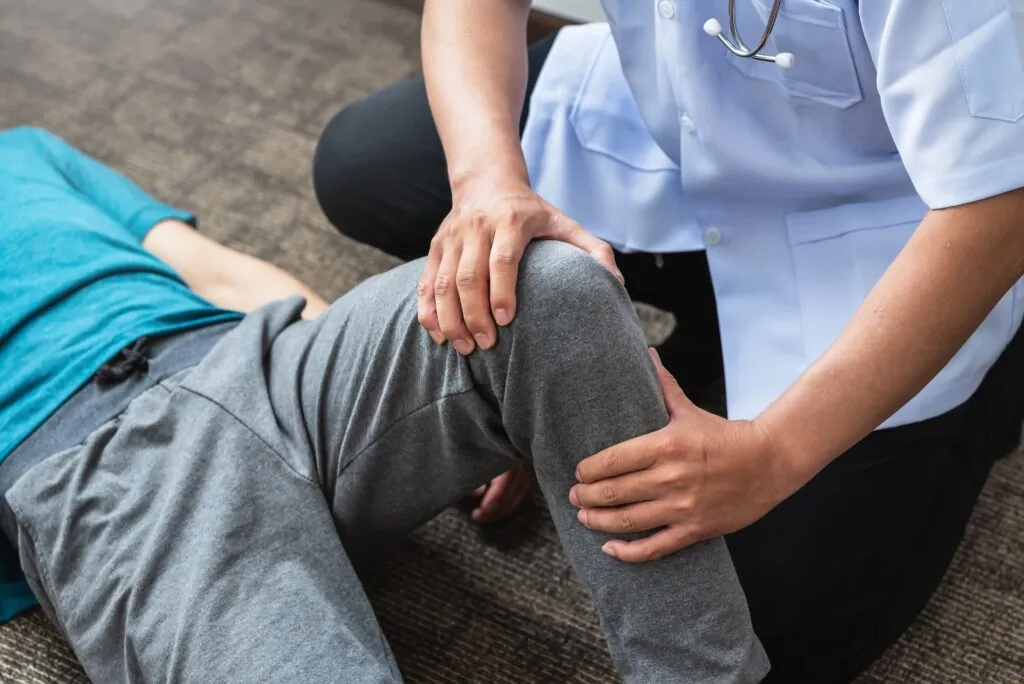
A doctor evaluates knee stability, range of motion, swelling, and tenderness. Special tests, such as the Lachman test for ACL injuries and varus or valgus stress tests for MCL and LCL tears, help pinpoint the affected ligament and assess the severity of the injury.
Imaging Studies
X-rays: While ligaments are not visible on X-rays, these scans help rule out bone fractures or dislocations that may occur alongside ligament injuries.
MRI: Magnetic resonance imaging provides detailed images of the soft tissues in the knee, allowing for precise evaluation of the tear. This imaging is also valuable for surgical planning if intervention is required.
Treatment Options for Knee Ligament Tears
Knee ligament tears can be managed through non-surgical or surgical treatments, depending on the severity of the injury, the specific ligament involved, and the individual’s activity level and goals.
Non-Surgical Treatment
For less severe ligament tears, particularly partial tears or injuries to the MCL and PCL, non-surgical management is often effective. The primary approach includes:
R.I.C.E Protocol
Rest, Ice, Compression, and Elevation (R.I.C.E) help to manage swelling and discomfort following a knee ligament tear. These measures are most effective during the initial stages of recovery. They provide the injured area with the care it needs to reduce inflammation and support healing.
Physical Therapy
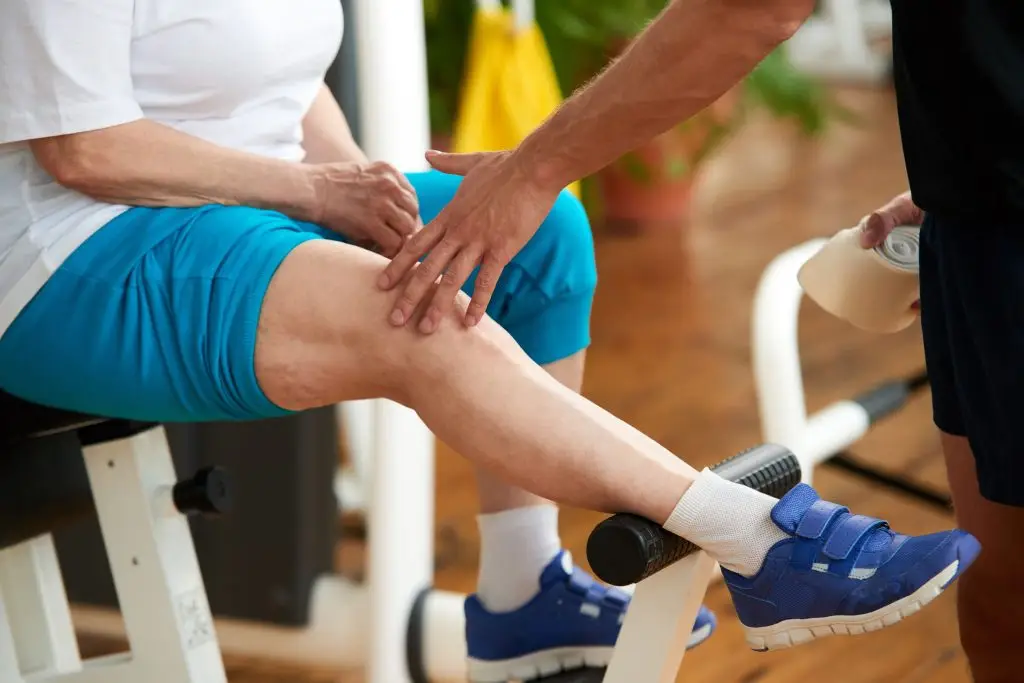
Rehabilitation focuses on strengthening the muscles around the knee, improving flexibility, and enhancing stability. It is a practical approach for partial ligament tears or those with minimal physical demands. This method helps individuals regain function and return to daily or recreational activities safely.
Bracing
A knee brace helps stabilise the joint and prevents further strain on the injured ligament. Braces are frequently used for MCL or PCL tears, allowing the ligament to recover while maintaining mobility. Combined with physiotherapy, bracing supports gradual improvement in knee function.
Medication
Non-steroidal anti-inflammatory drugs are used to reduce swelling and manage pain. They are particularly helpful during the early stages of recovery. Pain relief can make it easier for patients to engage in rehabilitation exercises effectively.
Surgical Treatment
Surgical intervention is typically reserved for severe cases, including complete tears or injuries involving multiple ligaments. The most common surgical procedures include:
Ligament Reconstruction
This procedure involves replacing the torn ligament with a graft, often taken from the patient’s hamstring or patellar tendon. Reconstruction is the standard approach for ACL injuries, as the ACL has limited healing capacity. It is also performed for severe PCL and multi-ligament injuries to restore knee stability and function.
Ligament Repair
In certain cases, the torn ligament can be sutured back together instead of being replaced. Ligament repair is most commonly performed on the MCL or LCL, as these ligaments have a better blood supply to support healing. This option is typically reserved for acute injuries with clean tears and a good likelihood of recovery.
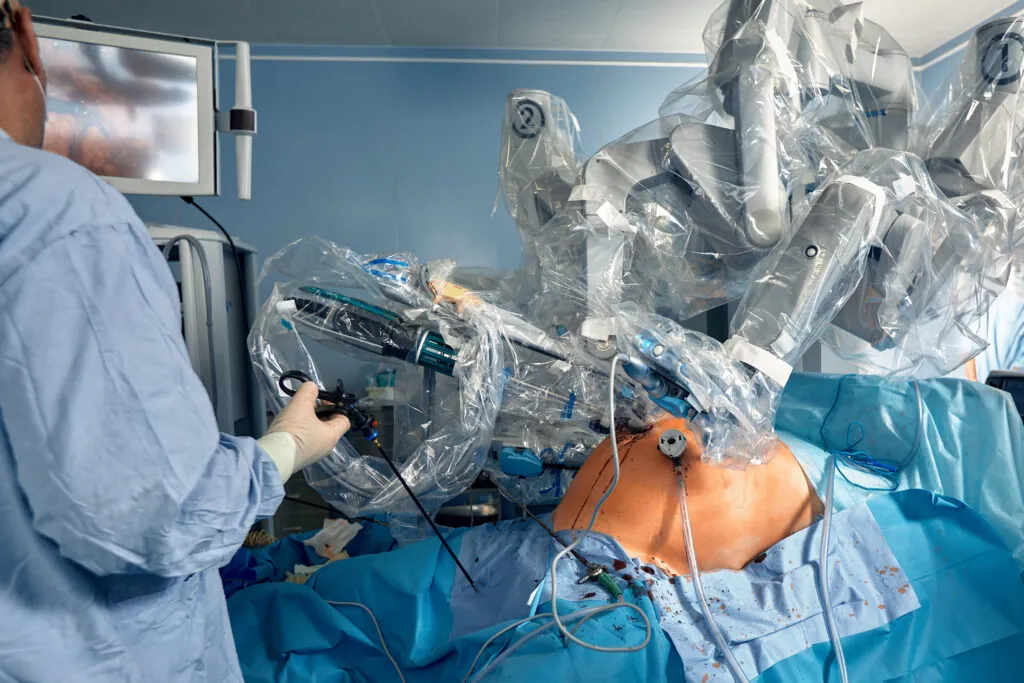
Arthroscopic Surgery
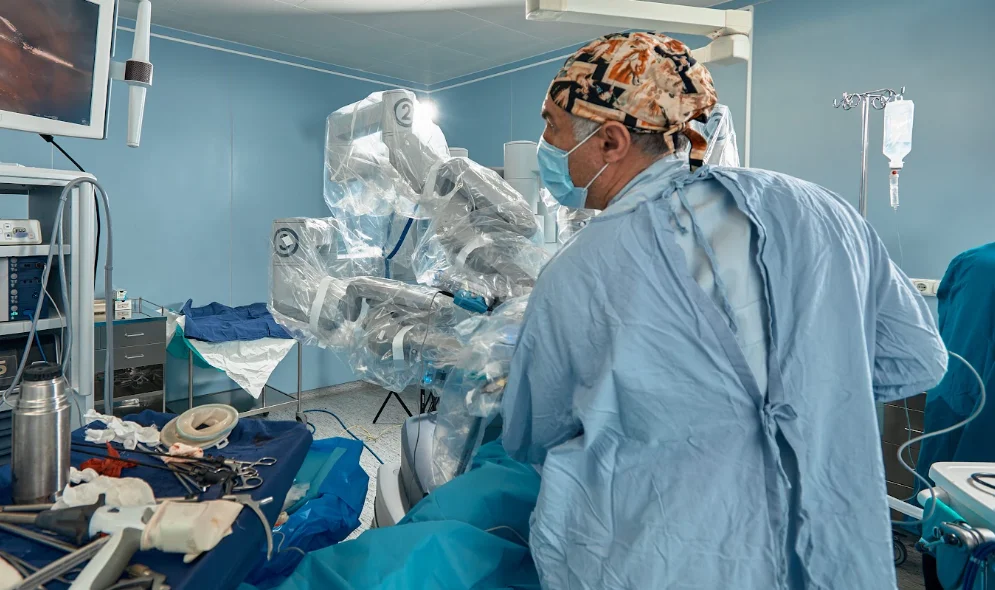
This minimally invasive method uses small incisions to assess and treat the injury. Arthroscopy is often used for ligament reconstruction but can also support ligament repair in some cases. This technique reduces recovery time and minimises surgical trauma compared to open procedures.
Preventing Knee Ligament Tears
Preventing knee ligament tears involves proper warm-up exercises and stretching before physical activity to prepare the muscles and joints. Strengthening exercises, particularly for the quadriceps and hamstrings, enhance knee stability and reduce the risk of injury. Using appropriate footwear and practising correct techniques during sports or high-risk activities, such as jumping and pivoting, also minimises strain on the knee ligaments.
Conclusion
Knee ligament tears can significantly affect mobility, but with proper diagnosis and treatment, recovery and a return to normal activities are achievable. Whether through non-surgical management or surgical intervention, options are available to restore knee stability and function. Preventive measures, including strengthening exercises and proper techniques, can help minimise the risk of future injuries.
Schedule a consultation today for tailored advice or treatment for a knee ligament injury.