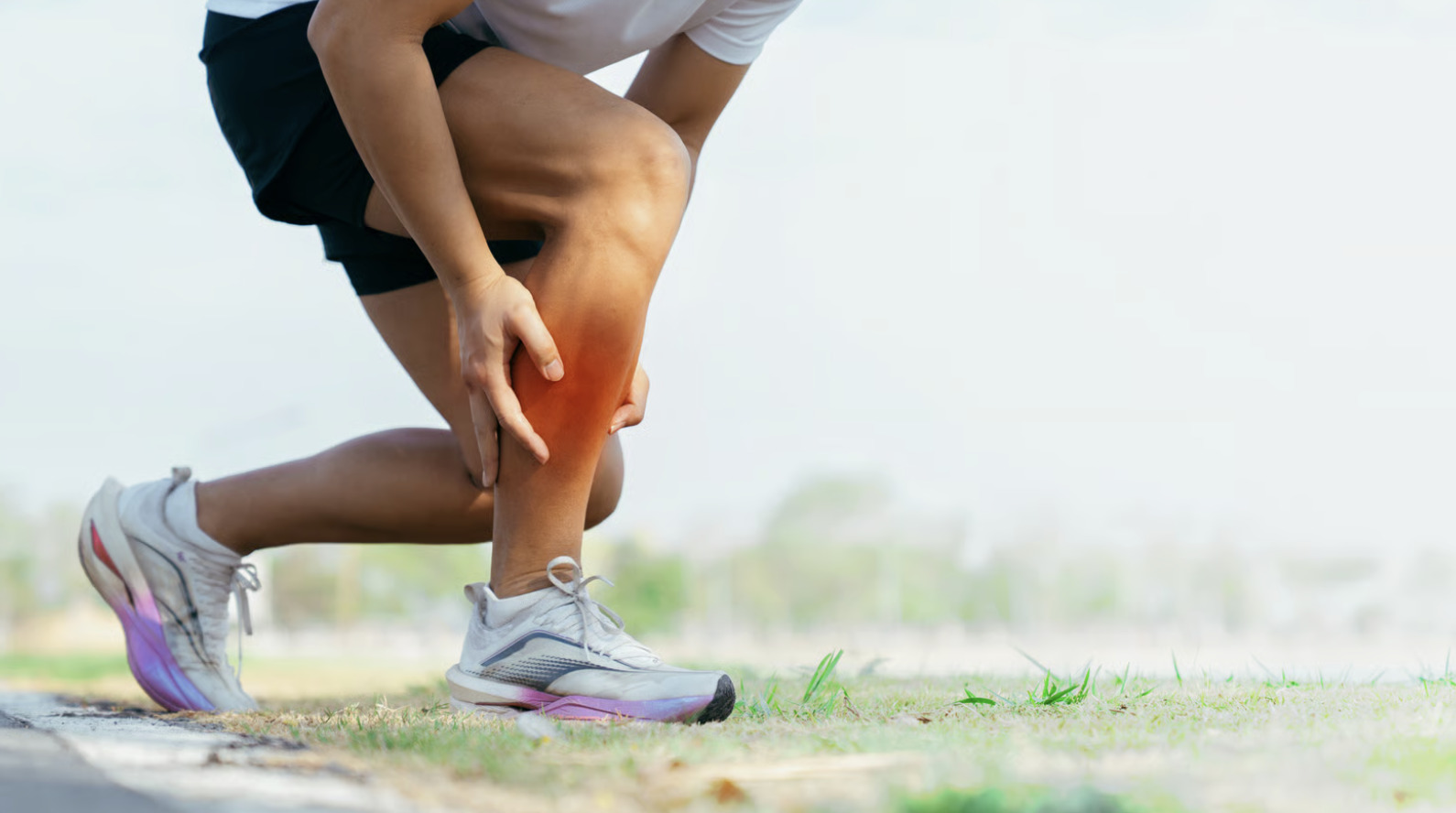
Pressing a single fingernail against your shin bone and reproducing sharp, focal pain is often considered a reliable clinical indicator of a stress fracture—not shin splints. The tibia absorbs two to three times your body weight with each running stride, making it a common site for stress fractures in endurance athletes. Distinguishing between these conditions early can influence whether you face weeks or months away from training.
Shin splints cause diffuse tenderness along the inner tibial border, typically spanning more than five centimetres. Stress fractures produce focal pain at a specific point, often detectable by pressing with a single fingernail. This distinction matters because shin splints respond to modified training, whilst continuing to run on a stress fracture risks complete bone failure.
The progression from shin splints to stress fracture represents a continuum of bone stress injury. Repeated loading without adequate recovery creates microdamage faster than bone remodelling can repair it. Recognising where you fall on this spectrum guides appropriate stress fracture tibia recovery strategies and can help avoid the frustrating cycle of premature return and re-injury.
How Tibial Stress Injuries Develop
Bone responds to loading through a process called remodelling—old bone is removed and new bone is deposited. During initial adaptation to increased training, bone resorption temporarily outpaces formation, creating a window of vulnerability lasting several weeks. Loading the tibia repeatedly during this window without adequate recovery may initiate the stress injury cascade.
The medial tibial cortex experiences significant tension forces during running, explaining why many tibial stress injuries occur along the medial border in the middle and distal thirds of the bone. Ground reaction forces, muscle fatigue, and running surface hardness all influence cumulative tibial load.
Training errors are a common contributing factor to stress injuries. Increasing weekly mileage by more than ten per cent, adding interval sessions without reducing total volume, or transitioning abruptly to harder surfaces can overwhelm the bone’s adaptive capacity. Even experienced athletes may develop stress fractures when these principles are violated during focused training blocks.
The Role of Muscle Fatigue
Calf muscles absorb shock and distribute forces away from bone. When the soleus and gastrocnemius fatigue during long runs, more impact transfers directly to the tibia. This may explain why stress fractures often develop towards the end of training cycles when accumulated fatigue compromises muscular protection.
Hip abductor weakness increases tibial loading through altered running mechanics. When the gluteus medius fails to stabilise the pelvis, the stance leg adducts excessively, shifting more force to the medial tibial border. Addressing proximal weakness typically forms part of comprehensive stress fracture tibia recovery.
Clinical Differences Between Shin Splints and Stress Fractures
Shin splints commonly produce pain during the warm-up phase of running that diminishes as tissues become more pliable, then returns hours after exercise. Stress fractures typically cause pain that worsens progressively during activity and persists afterwards, often aching at night or with walking.
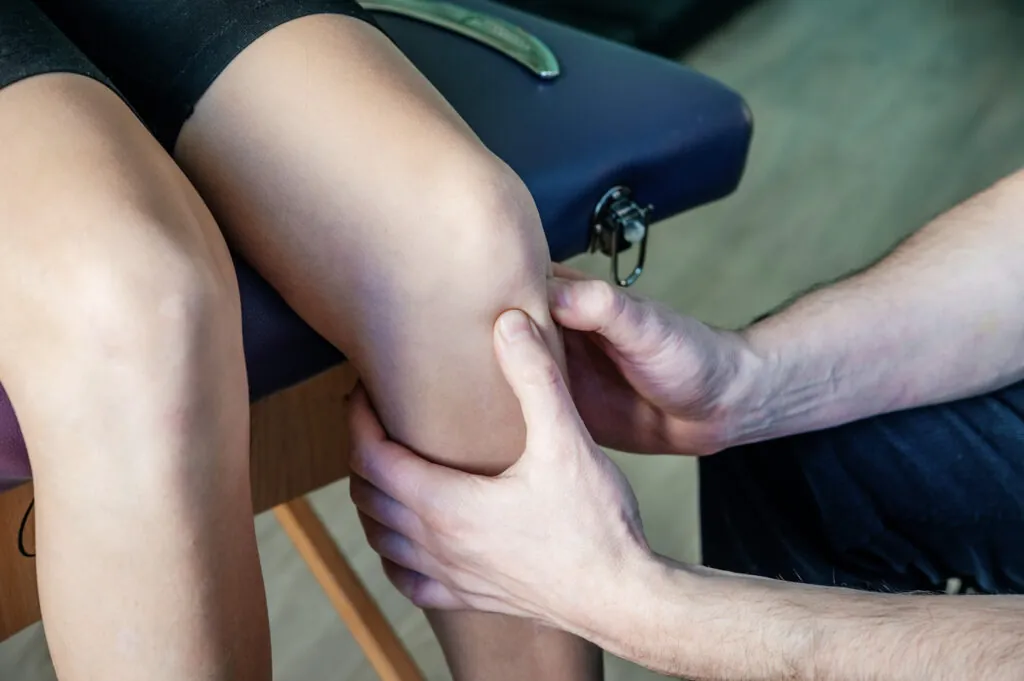
Palpation findings differ distinctly. Shin splints present with tenderness along a broad area of the tibial border, often extending the length of the middle third. Stress fractures hurt at a precise spot—patients can point to the location with one finger. Percussion along the tibia away from the tender point may reproduce pain at the fracture site.
The single-leg hop test can provide useful clinical information. Hopping on the affected leg typically produces sharp, localised pain with stress fractures whilst causing only mild discomfort with shin splints. However, this test should not be performed if a stress fracture is strongly suspected, as it risks worsening the injury.
💡 Did You Know?
The tibia bends slightly with each running stride. In this bending motion, biomechanical forces distribute across the bone, with the medial cortex experiencing tension. This may explain why stress fractures frequently occur along these surfaces, and why understanding the specific location of the fracture is vital—bone generally recovers more effectively under compression than tension, which influences specific treatment timelines.
Imaging and Diagnosis
Plain radiographs may not reveal early stress fractures because visible changes require two to three weeks of bone healing response. A negative X-ray does not exclude a stress fracture in an athlete with suggestive symptoms and examination findings.
MRI is generally considered a highly sensitive imaging tool for tibial stress injuries. It can detect bone marrow oedema before cortical changes appear and differentiates between stress reaction (oedema without fracture line) and true stress fracture (visible fracture line). MRI also identifies the rare but serious anterior tibial cortex stress fracture, which has different treatment implications.
Grading systems based on MRI findings help guide return-to-running timelines. Lower-grade injuries showing only periosteal or marrow oedema typically heal faster than those demonstrating visible fracture lines. Imaging severity correlates loosely with expected recovery duration.
Stress Fracture Tibia Recovery Principles
Initial management typically involves reducing tibial loading sufficiently for bone healing to outpace damage. For most posteromedial stress fractures, this means avoiding running and impact activities whilst maintaining fitness through non-weight-bearing exercise. Swimming, deep-water running, and cycling can help preserve cardiovascular conditioning without stressing the tibia.
Protected weight-bearing for daily activities is usually acceptable unless pain occurs with walking. Crutches or a walking boot may be necessary for higher-grade injuries or those with significant pain. The goal is pain-free ambulation before beginning rehabilitation progressions.
Bone healing requires adequate calcium and vitamin D availability. Dietary assessment should identify whether intake meets requirements, particularly in athletes with restricted eating patterns. Vitamin D insufficiency is common in athletes training primarily indoors or in northern latitudes and may impair healing.
Progressive Loading Protocol
Stress fracture tibia recovery generally follows a graduated return-to-running protocol spanning several weeks to months. The first phase focuses on pain-free walking for thirty minutes without symptoms during or after. Only after achieving this milestone should impact activities begin.
Walk-jog intervals on forgiving surfaces introduce controlled tibial loading. A typical starting point involves alternating one minute of jogging with four minutes of walking, repeated for twenty to thirty minutes. Progression increases jogging duration whilst reducing walking intervals, provided no pain develops.
Running volume increases slowly—often by no more than ten per cent weekly—with rest days between running sessions initially. Return to pre-injury training levels typically requires twice the duration of initial rest. Rushing this process may increase the risk of re-injury.
⚠️ Important Note
Anterior tibial cortex stress fractures (the “dreaded black line” on imaging) carry higher risk of complete fracture and non-union. These injuries often require prolonged non-weight-bearing, and some cases need surgical fixation. Anterior shin pain with tenderness on the tibial crest warrants prompt orthopaedic evaluation.
Preventing Recurrence
Athletes who develop one stress fracture may face an elevated risk for subsequent injuries. Prevention strategies address modifiable risk factors identified during recovery.
Running gait analysis may reveal inefficient mechanics that increase tibial loading. Increasing cadence (steps per minute) by five to ten per cent can help reduce stride length and ground contact time, decreasing peak tibial forces. Avoiding overstriding—landing with the foot well ahead of the body’s centre of mass—similarly aims to reduce impact.
Strength training targeting the entire kinetic chain may help reduce bone stress through improved force distribution. Calf raises, single-leg squats, and hip abductor exercises build muscular shock absorption capacity. Training these movements to fatigue resistance helps maintain protection during long runs.
Training Modifications
Periodised training with built-in recovery weeks aims to allow bone remodelling to keep pace with loading. Reducing volume by twenty to thirty per cent every third or fourth week provides a recovery opportunity without losing fitness gains.
Surface variation distributes stress across different bone regions. Alternating between road, track, trail, and treadmill running varies loading patterns and can help reduce repetitive strain at any single site.
Monitoring training load through metrics like weekly mileage, intensity distribution, and accumulated fatigue helps identify high-risk periods. Many coaches and athletes use training load software to track stress-recovery balance over time.
What Our Orthopaedic Specialist Says
Endurance athletes often struggle with the required rest period, attempting return-to-running protocols prematurely. Recoveries tend to go more smoothly when athletes redirect their competitive drive towards rehabilitation exercises and cross-training, treating recovery as a structured training block rather than simply waiting for healing.
Clinical experience suggests that athletes who address contributing factors during recovery strength deficits, nutritional gaps, training errors often experience a more sustainable return to sport than those who simply rest and resume previous patterns. The enforced break can provide an opportunity to correct issues that might otherwise persist.
Steps for Managing New Lower Leg Pain
Modify activity immediately upon symptom onset. Stop running if pain worsens during exercise or if point tenderness develops. Early load reduction may prevent progression from stress reaction to fracture.
Apply the single-leg hop test cautiously. If hopping reproduces sharp, localised tibial pain, avoid further impact loading and arrange clinical evaluation. If symptoms are diffuse and mild, graduated activity modification may suffice initially.
Maintain fitness through non-impact alternatives. Begin pool running, cycling, or swimming to preserve conditioning whilst protecting the tibia. Match cross-training duration and intensity to your usual running load.
Seek imaging if symptoms persist beyond two weeks. Ongoing focal pain despite activity modification warrants MRI to establish diagnosis and injury grade, guiding appropriate recovery timelines.
Implement comprehensive strength training during recovery. Use the forced rest period to address muscular weaknesses that contributed to injury. Focus on calf endurance, hip stability, and single-leg strength.
When to Seek Professional Help
- Focal tibial pain reproducible with single-finger palpation
- Pain that worsens progressively during running rather than warming up
- Night pain or pain with normal walking
- Symptoms persisting beyond two weeks of modified activity
- Previous stress fracture history with new similar symptoms
- Anterior tibial tenderness (front of the shin bone)
- Pain following a sudden increase in training load
Commonly Asked Questions
How long does stress fracture tibia recovery typically take?
Most posteromedial tibial stress fractures require six to twelve weeks before returning to running, followed by gradual progression over another four to eight weeks. Higher-grade injuries and anterior cortex fractures may require longer. Total time from diagnosis to full training often spans three to four months.
Can I cycle or swim during recovery?
Non-impact activities that don’t cause pain are generally encouraged to maintain cardiovascular fitness. Pool running closely mimics running mechanics without tibial loading. Cycling is acceptable provided pushing on the pedals doesn’t reproduce symptoms. Avoid breaststroke kick if it causes discomfort.
Will I need a boot or crutches?
Many tibial stress fractures heal with activity modification alone. Walking boots or crutches are reserved for cases with significant pain during ambulation or higher-grade imaging findings. Your orthopaedic specialist will advise based on examination and imaging results.
How do I know if it’s safe to start running again?
Pain-free walking for thirty minutes without symptoms during or within twenty-four hours afterwards may indicate readiness for walk-jog intervals. Clinical examination confirming resolved tenderness adds confidence. Some specialists obtain follow-up imaging before clearing high-grade injuries.
Should I take calcium supplements?
Dietary calcium and vitamin D assessment should guide supplementation decisions. Athletes meeting requirements through food intake may not require additional supplements. Those with restricted diets, dairy avoidance, or documented deficiency may benefit from supplementation during healing.
Next Steps
Focal tibial tenderness pinpointed with a single finger, pain that worsens progressively during a run, or symptoms that persist beyond two weeks of modified activity may indicate a stress fracture rather than shin splints and typically require MRI confirmation. Effective stress fracture tibia recovery often involves correcting the training errors, strength deficits, and nutritional gaps that contributed to the injury—not rest alone. A graduated return-to-running protocol, beginning only after pain-free walking is achieved, aims to reduce the risk of re-injury.
If you are experiencing focal tibial tenderness, shin pain that worsens during running, or night pain in the lower leg, consult our orthopaedic surgeon for evaluation and a structured recovery plan.