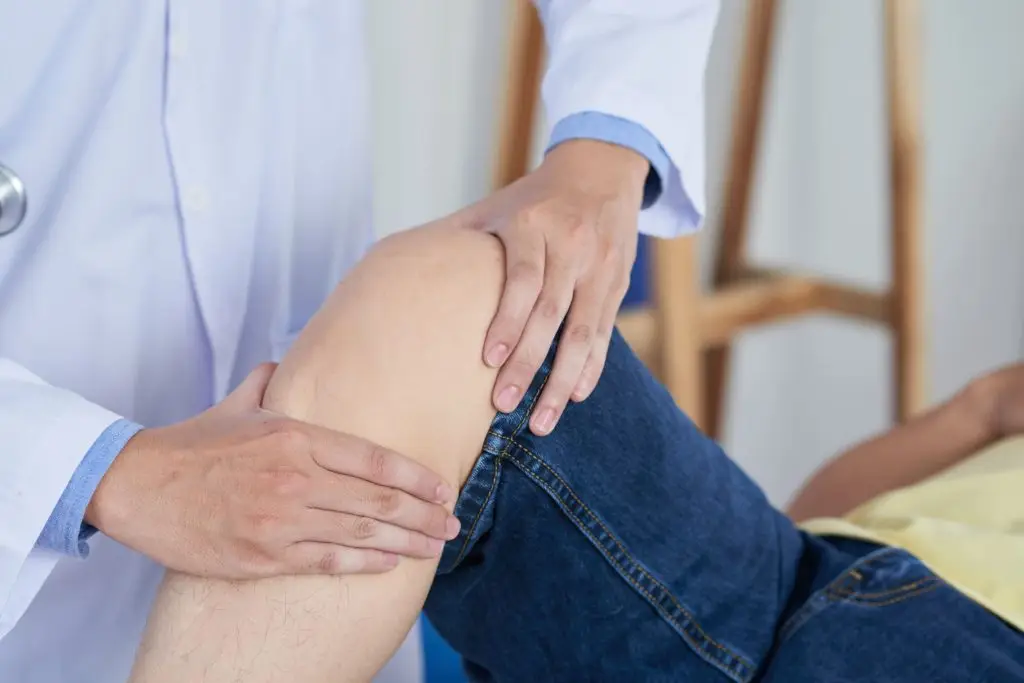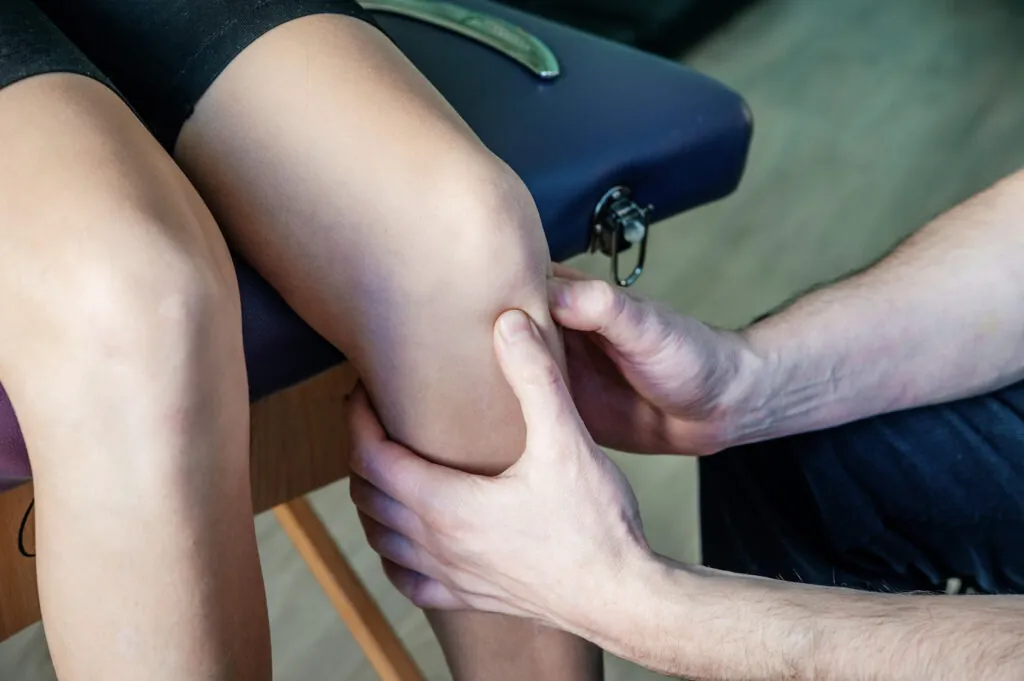
Did you know that knee injections can provide targeted relief when traditional treatments fail? When conservative treatments like physiotherapy and oral medications fail to provide sufficient relief, knee injections offer targeted therapeutic options. Different injection types address specific conditions, from osteoarthritis to sports injuries, with varying mechanisms of action and duration of effect.
The decision to proceed with knee injections depends on multiple factors, including your specific diagnosis, prior treatment responses, activity level, and overall health status.
Types of Knee Injections Available
Corticosteroid Injections
Corticosteroids reduce inflammation in the knee joint by suppressing the immune response and decreasing levels of inflammatory mediators. These injections typically contain medications like triamcinolone or methylprednisolone mixed with a local anaesthetic.
Relief often begins within 24-48 hours and may last 6-12 weeks. Corticosteroids work particularly well for inflammatory arthritis, acute gout flares, and severe osteoarthritis exacerbations. The anti-inflammatory effect can break the pain-inflammation cycle, allowing patients to participate more effectively in physiotherapy.
Injection frequency requires careful monitoring. Most orthopaedic surgeons limit corticosteroid injections to several per year per joint to minimise potential cartilage effects and systemic absorption.
Hyaluronic Acid (Viscosupplementation)
Hyaluronic acid injections supplement the knee’s natural joint fluid, which decreases in both quantity and quality with osteoarthritis. These gel-like substances improve joint lubrication and may have mild anti-inflammatory effects.
Treatment typically involves 1-5 injections spaced one week apart, depending on the specific product used. Benefits develop gradually over 2-4 weeks, with peak effect around week 8-12. The duration of relief varies widely among patients, ranging from 3 to 6 months.
Viscosupplementation works through multiple mechanisms: improved shock absorption, enhanced joint lubrication, and potential stimulation of natural hyaluronic acid production. Younger patients with mild to moderate osteoarthritis often experience different outcomes than those with severe degenerative changes.
Platelet-Rich Plasma (PRP)
PRP therapy uses concentrated platelets from your own blood to promote tissue healing. The process involves drawing blood, centrifuging it to concentrate platelets, and injecting the focused platelet solution into the affected knee.
Platelets release growth factors, including PDGF, TGF-β, and VEGF, which stimulate tissue repair and regeneration. PRP may benefit tendon injuries, partial ligament tears, and early-stage osteoarthritis. The treatment requires 1-3 injections spaced 2-4 weeks apart.
Recovery involves temporary increased discomfort for 3-7 days as the healing cascade activates. Improvement typically begins around week 4-6, with continued progress over 3-6 months. Activity modification during the initial healing phase may optimise outcomes.
Medical Conditions That Benefit
Osteoarthritis
Knee osteoarthritis involves progressive cartilage loss, bone changes, and synovial inflammation. Injections become appropriate when oral medications and physiotherapy provide inadequate symptom control, but joint replacement isn’t yet indicated.
Mild to moderate osteoarthritis responds differently to injections than severe disease. Corticosteroids address inflammatory flares, while viscosupplementation may help manage symptoms. Some patients alternate between injection types based on symptom patterns.
Inflammatory Arthritis
Rheumatoid arthritis, psoriatic arthritis, and other inflammatory conditions cause knee synovitis despite systemic treatment. Corticosteroid injections provide local control during flares without increasing systemic medication doses.
Intervention during flares helps manage inflammation. Regular monitoring helps determine the appropriate injection schedule for each patient.
Sports-Related Injuries
Meniscal tears, ligament sprains, and patellar tendinopathy may benefit from targeted injections. PRP is used for partial tendon tears and chronic tendinopathies resistant to conventional treatment.
Athletes often combine injections with comprehensive rehabilitation programs. The injection reduces pain and inflammation, enabling strengthening and biomechanical correction. Return-to-sport timelines depend on the specific injury and injection type used.
Timing Considerations
Failed Conservative Management
Consider injections after 6-12 weeks of appropriate conservative treatment, if there is no adequate improvement. Conservative measures include:
- Activity modification
- Weight management
- Physiotherapy
- Oral anti-inflammatory medications
Document your response to previous treatments, including specific exercises attempted, medications trialled, and activity modifications implemented. This information helps your orthopaedic surgeon determine the appropriateness of the injection and select the appropriate type.
Progressive Symptoms
Worsening pain despite treatment, decreased walking distance, or new night pain signals the need for treatment escalation. Functional limitations like:
- Difficulty with stairs
- Prolonged standing
- Getting up from chairs
Track symptom patterns using pain scales and functional measures. Note activities that trigger symptoms and relief strategies that work. This detailed information guides injection timing and type selection.
Pre-Surgical Optimization
Patients awaiting knee replacement may benefit from injections to maintain function and comfort. Corticosteroid injections 3-6 months before surgery don’t increase the risk of infection and may improve pre-operative quality of life.
Some surgeons recommend stopping hyaluronic acid injections 3 months before joint replacement to avoid potential interference with cement bonding. Discuss timing with both your orthopaedic surgeon and anaesthetist.
What an Orthopaedic Surgeon Says
“Injection therapy succeeds when matched appropriately to the underlying pathology and patient factors. Orthopaedic surgeons consider not only X-ray findings but also functional demands, prior treatment responses, and overall health status.
Patients may benefit from a stepped approach – starting with corticosteroids for acute inflammation, then considering viscosupplementation or PRP for longer-term management. The critical factor is individualising treatment based on thorough assessment and ongoing monitoring of response.”
The Injection Procedure
Pre-Procedure Preparation
- Stop blood-thinning medications as directed by your physician, typically 5-7 days before injection.
- Inform your orthopaedic surgeon about all medications, allergies, and recent infections.
- Arrange transportation, as some patients experience temporary leg weakness.
- Wear loose clothing to allow easy knee access.
- Bring your imaging studies and previous injection records.
- Eat normally before the procedure unless specifically instructed otherwise.
During the Injection
The procedure takes 10-15 minutes in an outpatient setting. After positioning and skin preparation with an antiseptic solution, the orthopaedic surgeons may use imaging guidance to ensure accurate needle placement.
Local anaesthetic numbs the injection site. You’ll feel pressure but minimal pain during the actual injection. The orthopaedic surgeons may aspirate joint fluid before injecting medication. Some practitioners gently move the knee to distribute the medication throughout the joint.
Post-Injection Care
- Rest the injected knee for 24-48 hours, avoiding strenuous activities
- Apply ice for 20 minutes every 2-3 hours if swelling occurs
- Mild discomfort at the injection site resolves within 1-2 days
- Resume normal activities gradually based on comfort level
- Avoid high-impact activities for one week after corticosteroid injections
- PRP injections require longer activity modification – typically 2-4 weeks of progressive loading
Potential Risks and Limitations
Common Side Effects
- Injection site discomfort affects many patients for 24-48 hours
- Temporary facial flushing occurs in some patients receiving corticosteroids
- Post-injection flare – temporary increased pain before improvement – happens occasionally with all injection types
- Hyaluronic acid injections may cause knee swelling or warmth lasting 2-3 days
- PRP injections often produce increased discomfort for 3-7 days as inflammatory healing processes activate
Rare Complications
- Infection risk remains low with proper sterile technique
- Signs include increasing pain, redness, warmth, and fever developing 2-7 days post-injection
- Allergic reactions to injection components occur rarely
- Previous tolerance doesn’t guarantee future safety, so report any unusual symptoms to an orthopaedic surgeon
- Crystallisation of corticosteroids may cause prolonged discomfort requiring aspiration
Treatment Limitations
- Injections don’t reverse structural damage or cure arthritis
- Severe joint degeneration with bone-on-bone contact responds poorly to any injection type
- Mechanical symptoms from loose bodies or bucket-handle meniscal tears require surgical intervention
- Repeated corticosteroid injections may accelerate cartilage loss if used excessively
- Orthopaedic surgeons typically limit frequency to preserve joint integrity while managing symptoms
Putting This Into Practice
- Keep a symptom diary documenting pain levels, triggering activities, and functional limitations to help determine injection timing
- Trial conservative measures thoroughly – complete physiotherapy before considering injections
- Prepare questions about injection options, expected outcomes, and alternative treatments for your orthopaedic surgeon consultation.
- Plan injection timing around essential events, allowing adequate recovery and response time
- Coordinate injection therapy with ongoing physiotherapy to optimise functional improvements
When to Seek Professional Help
- Knee pain persists beyond 6 weeks despite conservative treatment
- Significant functional limitations affecting daily activities or work
- Night pain disrupting sleep quality
- Knee swelling that doesn’t resolve with rest and elevation
- Mechanical symptoms like locking, catching, or giving way
- Previous injection relief is wearing off, with returning symptoms
- Interest in exploring injection options before considering surgery
Commonly Asked Questions
How long do knee injection effects typically last?
Duration varies by injection type and individual response. Corticosteroid effects typically last 6-12 weeks, hyaluronic acid provides 3-6 months of relief, while PRP effects may continue improving for 6-12 months. Individual factors, including arthritis severity, activity level, and body weight, influence duration.
Can I receive different types of injections?
Many patients benefit from strategically combining injection types. Your orthopaedic surgeon might use corticosteroids for acute flares and viscosupplementation for maintenance. Appropriate spacing between different injection types prevents interactions and may improve results.
Will injections delay my need for knee replacement?
Some patients successfully postpone surgery using injection therapy. However, injections are more effective for mild to moderate arthritis. Severe joint damage eventually requires surgical intervention regardless of injection response.
How many injections can I safely receive?
Corticosteroid injection frequency should stay below 3-4 per year to minimise potential cartilage effects. Hyaluronic acid and PRP don’t have similar restrictions, though practical considerations like cost and response duration guide frequency.
Do knee injections hurt?
Most patients experience minimal discomfort during injection, similar to that of a blood draw. Local anaesthetic minimises pain. Post-injection discomfort varies by injection type, with PRP typically causing more temporary soreness than other options.
Next Steps
Successful injection therapy requires careful patient selection and matching the right injection type to your specific condition. Document your response to conservative treatments and track functional limitations to help your orthopaedic surgeon determine the most appropriate approach. Consider injection timing around important activities and coordinate treatment with ongoing physiotherapy for optimal results.
If you’re experiencing persistent knee pain, mechanical symptoms such as locking or catching, or functional limitations that affect daily activities, an orthopaedic surgeon can evaluate your condition and discuss whether injection therapy is appropriate for your specific situation.