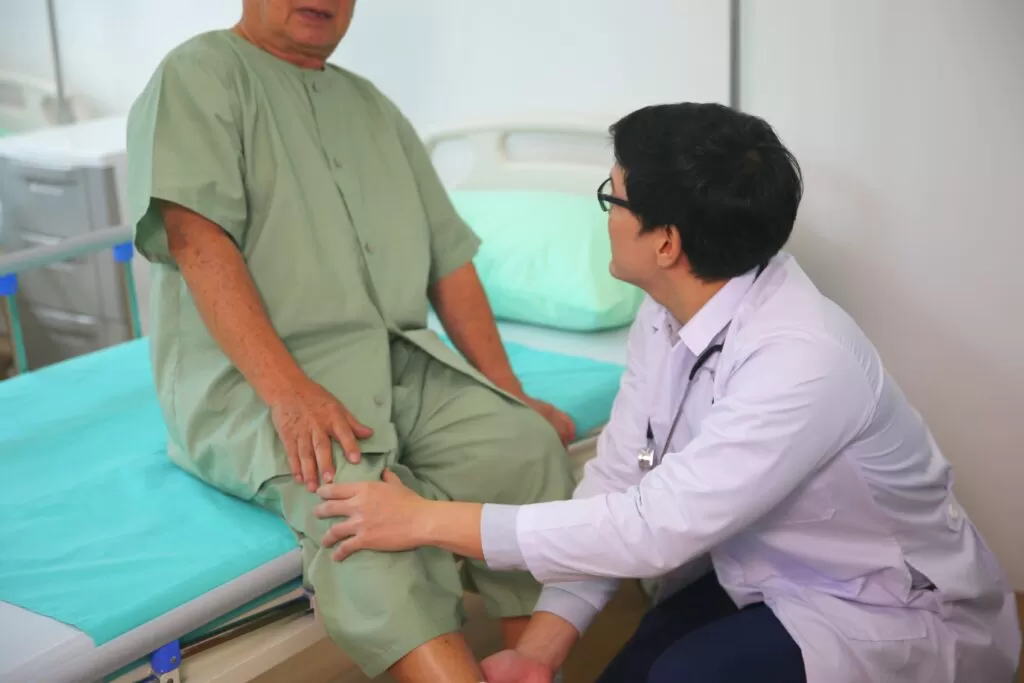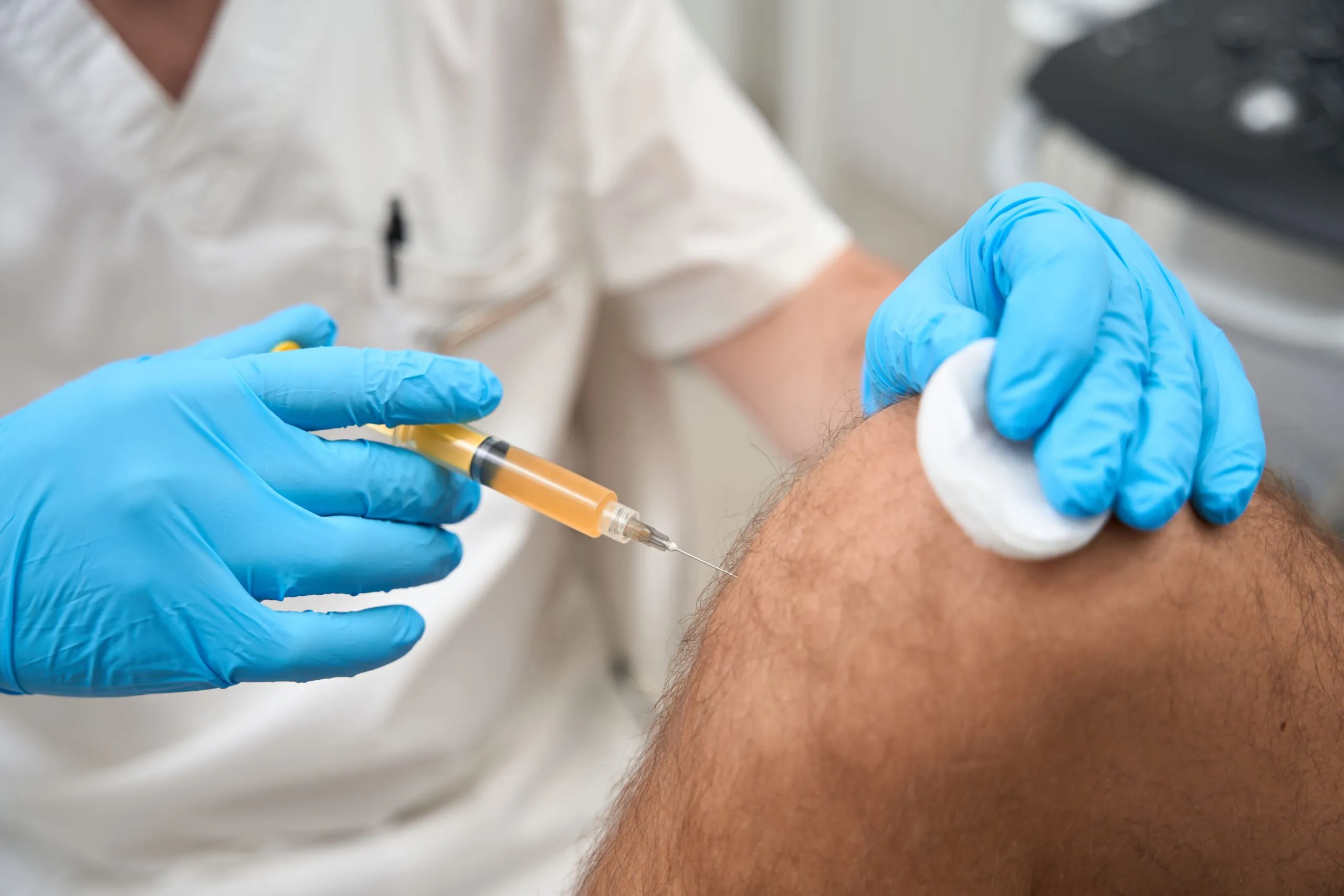
Knee osteoarthritis causes cartilage breakdown, leading to pain, stiffness, and reduced mobility that affect daily activities like walking, climbing stairs, and standing from a seated position. Injection therapies deliver medication directly into the joint space, targeting inflammation and providing pain relief when oral medications prove insufficient. Three main injection types address osteoarthritis symptoms: corticosteroids reduce inflammation within 24-48 hours, hyaluronic acid supplements joint fluid over 2-5 weekly doses, and platelet-rich plasma uses concentrated blood components to promote tissue healing.
Injection treatments work by different mechanisms: corticosteroids suppress inflammatory proteins and reduce fluid accumulation, while hyaluronic acid restores the joint’s natural cushioning properties that deteriorate with the progression of arthritis. The choice of injection type depends on arthritis severity, prior treatment responses, and individual patient factors, including age, activity level, and concurrent medical conditions.
Types of Knee Injections
Corticosteroid Injections
Corticosteroids such as triamcinolone or methylprednisolone provide rapid anti-inflammatory effects, typically improving within 24-72 hours and lasting 6-12 weeks. The medication reduces synovial inflammation, decreases joint fluid production, and interrupts pain signalling pathways. Doctors limit these injections to 3-4 times annually per knee to prevent potential cartilage damage from repeated exposure.
During the procedure, the doctor cleanses the injection site with an antiseptic solution, may apply a topical anaesthetic, and uses anatomical landmarks or ultrasound guidance to ensure accurate needle placement. The injection takes 30-60 seconds, with most patients describing a pressure sensation rather than sharp pain.
Hyaluronic Acid Injections
Hyaluronic acid (viscosupplementation) replaces the natural joint fluid that becomes thin and less protective in osteoarthritis. Products such as Synvisc, Euflexxa, or Monovisc require 1-5 weekly injections, depending on the specific formulation. These injections improve joint lubrication, shock absorption, and may stimulate natural hyaluronic acid production.
Relief typically begins 2-4 weeks after completing the injection series and may last 6-12 months. The delayed onset occurs because hyaluronic acid works through mechanical cushioning rather than direct anti-inflammatory action. Some patients experience mild knee swelling for 1-2 days following injection as the joint adjusts to the increased fluid volume.
Platelet-Rich Plasma (PRP)
PRP injections concentrate healing factors from your own blood, including growth factors and cytokines that promote tissue repair. This regenerative medicine approach is highly versatile; in fact, PRP is frequently used by our tennis elbow specialist in Singapore to heal stubborn tendon inflammation in the arms as effectively as it treats knee osteoarthritis.
Initial improvement may take 4-6 weeks as the growth factors stimulate cellular repair processes. Some patients experience increased discomfort for 3-7 days post-injection due to the inflammatory cascade that initiates healing. PRP effects may last 6-12 months, with some patients reporting sustained improvement beyond one year.
Before Your Injection
Pre-Procedure Preparation
Stop anti-inflammatory medications (ibuprofen, naproxen) 5-7 days before PRP injections, as these drugs interfere with platelet function. Continue other arthritis medications unless specifically instructed otherwise. Inform your doctor about blood thinners, diabetes medications, or recent infections, as these may affect the timing or technique of the injection.
Wear loose-fitting shorts or pants that easily roll above the knee. Arrange transportation if you have concerns about driving immediately after the procedure, though most patients drive themselves home. Eat normally before the appointment unless receiving sedation for severe needle anxiety.
Medical History Review
Your orthopaedic surgeon will review previous imaging studies, including X-rays showing joint space narrowing, osteophyte formation, and subchondral changes. MRI findings of meniscal tears, ligament integrity, and cartilage thickness guide injection placement and selection of injection type. For example, while injections can soothe an arthritic joint, they cannot fix a structurally unstable knee; if your MRI reveals a complete ligament rupture, your doctor will likely refer you to an ACL specialist in Singapore to discuss surgical reconstruction.
Document previous injection responses, including duration of relief and any adverse reactions. Discuss current pain levels using standardised scales, functional limitations, and failed conservative treatments. This information helps determine realistic expectations and optimal injection selection.
During the Procedure
Injection Process
The procedure begins with knee positioning – typically, slight flexion at 20-30 degrees using a rolled towel under the knee. The doctor palpates anatomical landmarks, including the patella, joint line, and soft tissue depressions where needle entry occurs. Ultrasound guidance improves accuracy, particularly in patients with obesity or significant joint deformity.
After sterile preparation and draping, a 22-25 gauge needle enters the joint space through the superolateral, superomedial, or lateral midpatellar approach. Aspiration of existing joint fluid may occur before medication injection, particularly if effusion is present. The actual injection takes 30-60 seconds, with steady pressure to ensure complete medication delivery.
Immediate Sensations
Patients typically feel initial pressure as the needle penetrates the joint capsule, followed by fullness as medication enters the joint space. Corticosteroid injections rarely cause immediate discomfort beyond the needle insertion. Hyaluronic acid may create temporary tightness due to volume. PRP injections sometimes cause a brief burning sensation as the concentrated solution contacts synovial tissue.
💡 Did You Know?
The knee joint normally contains 2-4ml of synovial fluid, but injection volumes of 5-8ml are well-tolerated as the joint capsule stretches to accommodate additional fluid.
Immediate Post-Injection Period
First 24-48 Hours
Apply ice packs for 15-20 minutes every 2-3 hours to minimise injection site discomfort and swelling. Avoid excessive walking, standing, or strenuous activity for 48 hours to allow the medication to distribute throughout the joint. Continue regular daily activities but postpone exercise, sports, or physical therapy.
Monitor for signs of infection, including increasing pain, warmth, redness, or fever above 38°C. These symptoms are rare but require immediate medical evaluation. Mild injection site tenderness and slight swelling commonly occur and resolve within 2-3 days.
Activity Modifications
Resume normal walking after 48 hours, gradually increasing distance and duration. Return to low-impact exercises like swimming or cycling after one week for corticosteroid and hyaluronic acid injections. PRP recipients should avoid impact activities for 2-4 weeks to allow biological healing processes.
Physical therapy may resume 3-7 days post-injection, with an initial focus on range of motion and gentle strengthening. Avoid deep squats, lunges, or high-impact activities until pain relief stabilises. Your orthopaedic surgeon provides a specific timeline based on the injection type and individual response.
Recovery Timeline
Week 1-2
Corticosteroid recipients often experience significant pain reduction by day 3-5, with peak effect at 7-14 days. Hyaluronic acid shows minimal early change as the medication integrates with existing joint fluid. PRP may cause increased discomfort during this period as inflammatory healing cascades activate.
Track pain levels, duration of stiffness, and functional improvements using a daily log. Note activities that increase or decrease symptoms. This information guides future treatment decisions and helps identify optimal injection intervals.
Week 3-4
Hyaluronic acid effects become noticeable as joint lubrication improves and mechanical symptoms decrease. Patients report easier stair climbing, reduced startup stiffness, and improved walking tolerance. Corticosteroid effects remain stable or may begin to decline gradually, depending on the initial response.
PRP recipients typically notice initial improvements in pain and function as tissue remodelling progresses. Continue activity modifications and gradual exercise progression under medical guidance.
Months 2-6
Monitor injection duration to plan repeat treatments before complete symptom return. Corticosteroid effects typically wane by month 3, while hyaluronic acid and PRP may provide relief through month 6 or longer. Maintain exercise programs and weight management to maximise the benefits of injections.
⚠️ Important Note
Sudden loss of injection benefit with increased pain or swelling warrants medical evaluation to rule out infection, crystal arthropathy, or mechanical problems like meniscal tears.
Managing Side Effects
Common Reactions
Post-injection flare occurs in some patients, causing increased pain and swelling 6-24 hours after injection. This reaction results from crystallisation of corticosteroid particles or an inflammatory response to the injection volume. Treatment includes ice application, acetaminophen, and activity restriction for 24-48 hours.
Hyaluronic acid may cause pseudoseptic reactions in rare cases, with significant swelling and warmth mimicking infection. Joint aspiration and fluid analysis distinguish this sterile inflammation from actual infection. Symptoms resolve with ice, rest, and anti-inflammatory medications.
When Complications Require Medical Attention
Seek immediate evaluation for fever above 38°C, severe pain preventing weight bearing, or visible redness spreading beyond the injection site. Joint infections occur rarely but require prompt antibiotic treatment. Persistent numbness, weakness, or colour changes suggest vascular or nerve involvement requiring assessment.
Optimising Injection Results
Physical Therapy Integration
Structured exercise programs enhance and prolong the benefits of injections by improving muscle strength, joint stability, and movement patterns. Quadriceps strengthening reduces patellofemoral stress and improves shock absorption. Hip abductor exercises correct biomechanical alignment and reduce medial compartment loading.
Range-of-motion exercises prevent adhesions and maintain joint flexibility, achieved through injection pain relief. Manual therapy techniques address soft tissue restrictions and optimise joint mechanics. Your physiotherapist coordinates treatment timing with the injection schedule for maximum benefit.
Lifestyle Modifications
Weight reduction of 5-10kg significantly reduces knee joint forces; each kilogram lost reduces knee loading by approximately 4 kg during walking. Low-impact exercises like swimming, water aerobics, and cycling maintain fitness without excessive joint stress. Proper footwear with cushioned soles and arch support improves lower extremity alignment.
Dietary modifications, including omega-3 fatty acids, antioxidants, and adequate protein, support joint health and healing. Avoid prolonged kneeling, squatting, or sitting in low chairs, which can stress arthritic joints. Use assistive devices like handrails and elevated toilet seats to reduce knee strain during daily activities.
✅ Quick Tip
Schedule injections allowing recovery time before important events or travel – plan procedures at least 2 weeks before significant physical activities or long flights.
What Our Orthopaedic Surgeon Says
“Injection timing matters as much as injection type. Early intervention when oral medications become insufficient often provides better, longer-lasting results than waiting until severe arthritis develops. I evaluate each patient’s activity goals, arthritis pattern, and previous treatment responses to customise injection selection.
Many patients benefit from combining injection types – using corticosteroids for rapid flares and hyaluronic acid or PRP for sustained management. Success depends on realistic expectations, proper patient selection, and comprehensive treatment, including exercise and weight management. Injections buy time and improve quality of life, but work as part of an integrated treatment approach.”
Putting This Into Practice
- Schedule injections during periods of lower activity demands, allowing adequate recovery before essential events or travel plans.
- Keep a symptom diary documenting pain levels, functional abilities, and activity tolerance to track the effectiveness of injections over time.
- Develop a home exercise routine focusing on quadriceps strengthening, flexibility, and low-impact cardiovascular fitness.
- Establish regular follow-up intervals to assess injection response and plan repeat treatments before complete symptom return.
- Create environmental modifications at home and work to reduce knee stress during daily activities.
When to Seek Professional Help
- Knee pain is limiting daily activities despite oral medications
- Morning stiffness lasting more than 30 minutes
- Difficulty with stairs, rising from chairs, or walking distances
- The previous injection provided good relief now wearing off
- Swelling that persists despite rest and elevation
- Mechanical symptoms like catching, locking, or giving way
- Night pain disturbs sleep quality
- Failed conservative treatments, including physical therapy
Commonly Asked Questions
How painful is the injection itself?
Most patients rate injection discomfort as 3-4 out of 10, similar to a blood draw. The initial skin penetration causes a brief, sharp sensation, followed by a pressure feeling as the medication enters the joint. A topical anaesthetic spray or ice reduces skin discomfort. The entire procedure takes 2-3 minutes, including positioning and sterile preparation.
Can I drive myself home after the injection?
Most patients drive themselves without difficulty. The injected knee may feel slightly different due to medication volume, but this rarely affects driving ability. If you receive sedation for severe anxiety or have concerns about pedal control, arrange alternative transportation.
How do I know which injection type is right for me?
Your orthopaedic surgeon considers the severity of arthritis based on imaging, prior treatment responses, activity goals, and medical conditions. Mild-moderate arthritis often responds well to hyaluronic acid, while inflammatory flares benefit from corticosteroids. PRP suits active patients seeking longer-term biological healing effects.
What happens if injections stop working?
Decreased injection effectiveness may indicate progression of arthritis requiring treatment adjustment. Options include trying different injection types, combining therapies, or considering surgical interventions. Some patients maintain good function with regular injections for many years before requiring surgery.
Are there alternatives if I can’t have certain injections?
Medical conditions, allergies, or poor responses may limit injection options. Alternatives include different medication classes, radiofrequency ablation for specific pain generators, or arthroscopic procedures. Your surgeon discusses all suitable options based on individual circumstances.
Next Steps
Knee injections offer pain relief and functional improvement for osteoarthritis when oral medications prove insufficient. Success requires selecting appropriate injection types, timing treatments strategically, and maintaining comprehensive arthritis management, including exercise and lifestyle modifications.
If you’re experiencing persistent knee pain, stiffness, or functional limitations due to osteoarthritis, our orthopaedic surgeon can evaluate your condition and discuss injection options tailored to your needs.