What is Knee Osteoarthritis?
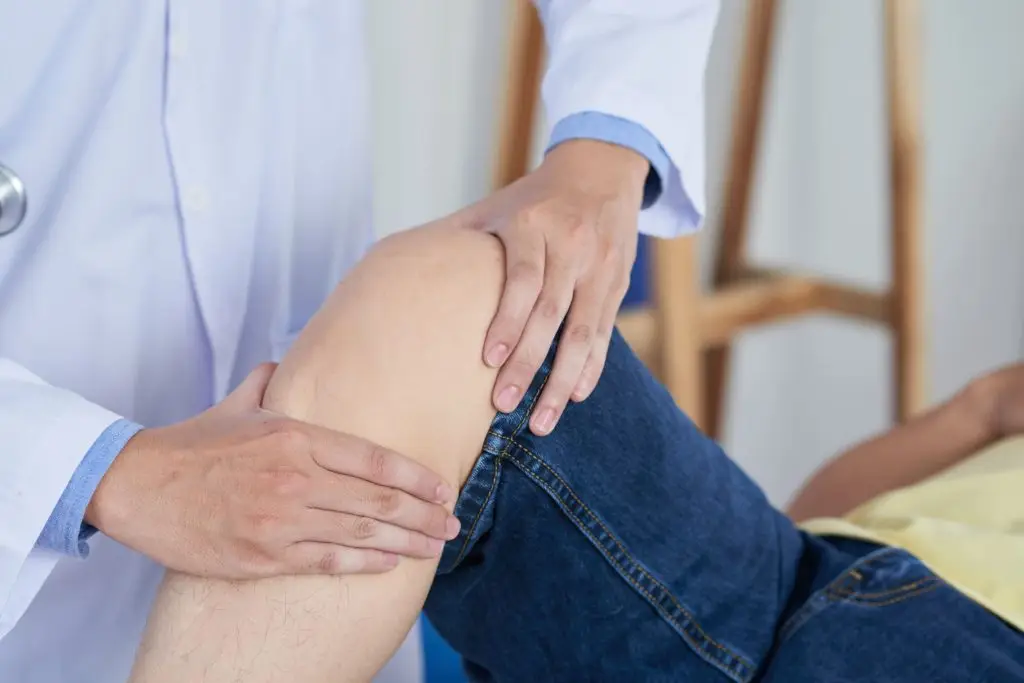
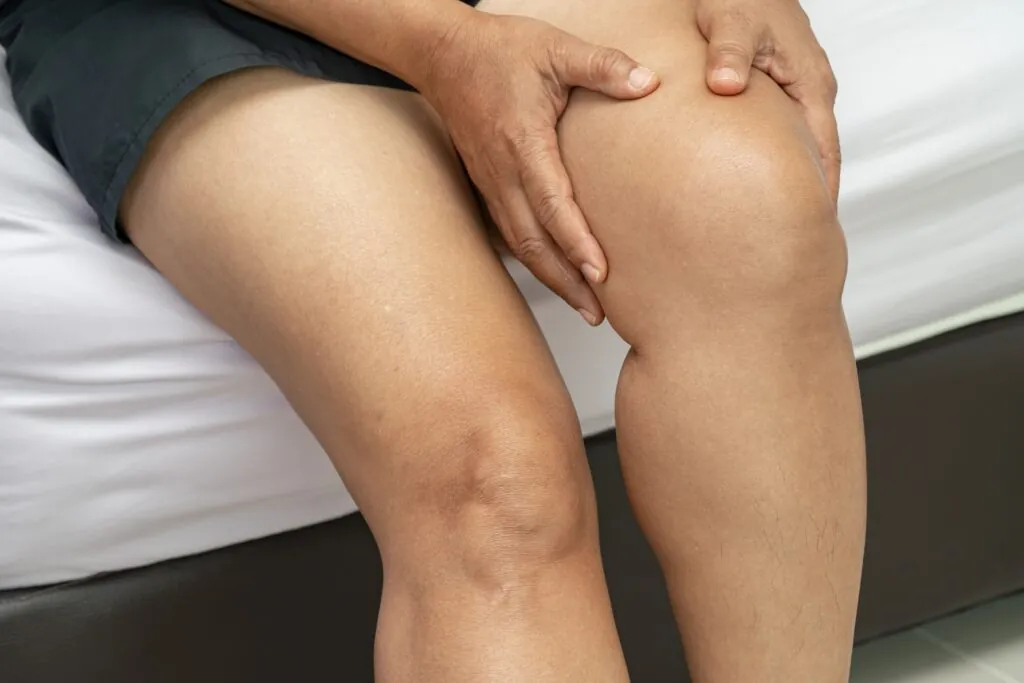
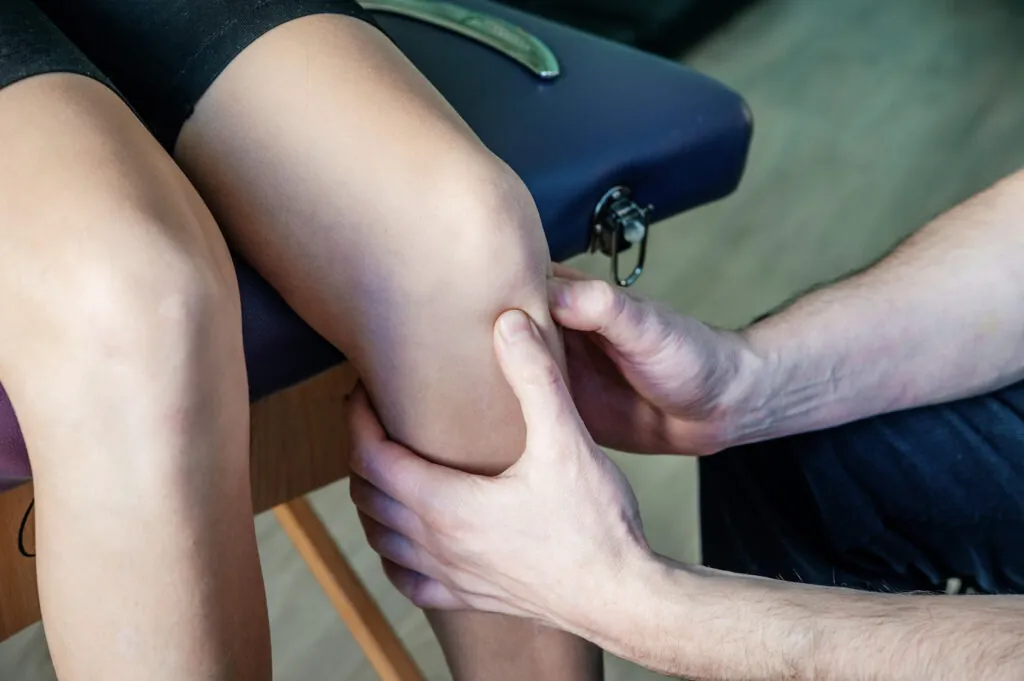
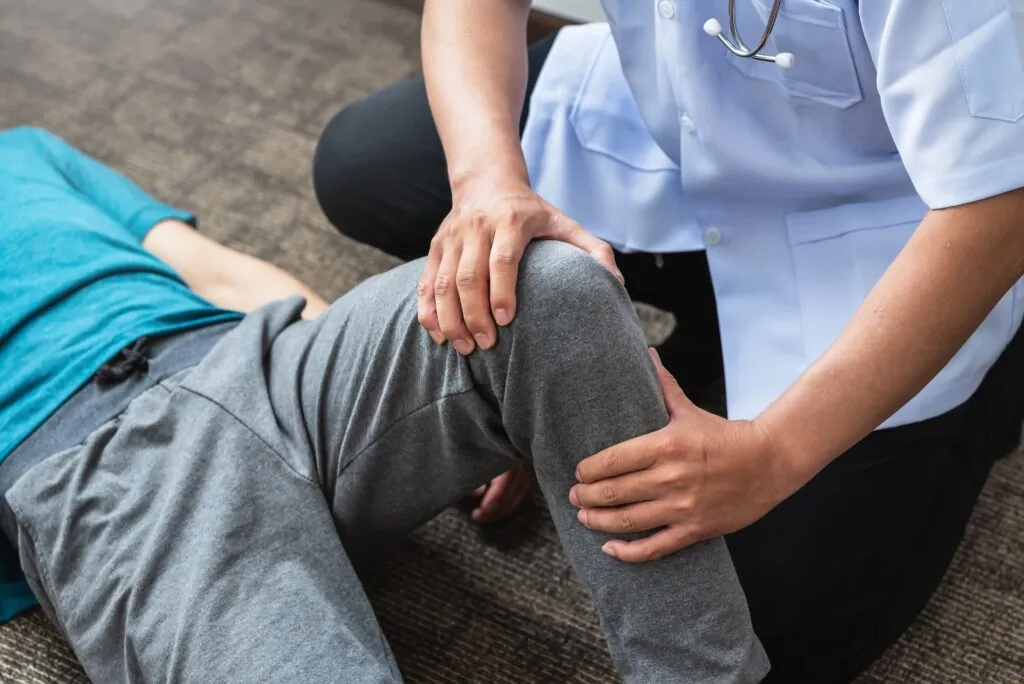
Knee osteoarthritis (OA) is a condition where the cartilage in the knee joint gradually deteriorates, leading to pain, stiffness, and reduced mobility. It often develops slowly but can be accelerated by ageing, past injuries, or repetitive strain on the joint. Symptoms may include discomfort during movement, swelling, and a grinding or popping sensation. Diagnosis involves a physical examination and imaging tests, such as X-rays to assess bone changes and joint space narrowing, or MRIs to examine cartilage damage and soft tissues.
The 4 Stages of Knee Osteoarthritis
The stages of knee osteoarthritis describe the gradual progression of the disease, from minor joint changes to severe damage, helping guide treatment decisions.
Stage 1: Minor
At this early stage, the knee shows minimal signs of osteoarthritis. Cartilage wear is slight, and the joint remains mostly healthy. Symptoms are rare, and most people may not experience noticeable discomfort. Small bone spurs can sometimes be detected using X-rays.
Stage 2: Mild
As the condition progresses, there is more noticeable cartilage wear, and the joint space may start to narrow slightly. Mild pain may develop after physical activity, along with occasional stiffness, especially in the morning or after long periods of rest.
Stage 3: Moderate
Moderate OA is characterised by increased cartilage erosion, leading to more frequent pain and discomfort. Activities like walking or climbing stairs may become more difficult due to swelling and visible joint inflammation. Stiffness is more persistent and may affect mobility throughout the day.
Stage 4: Severe
Severe OA involves extensive cartilage damage, resulting in little to no cushioning within the joint. Bone-on-bone contact can cause intense pain even at rest, accompanied by significant swelling, stiffness, and restricted movement.
Treatment Options for Knee Osteoarthritis
Non-Surgical Treatment Options
Non-surgical treatments aim to relieve symptoms and improve joint function. The choice of treatment depends on the severity of the condition.
Exercise and Physical Therapy
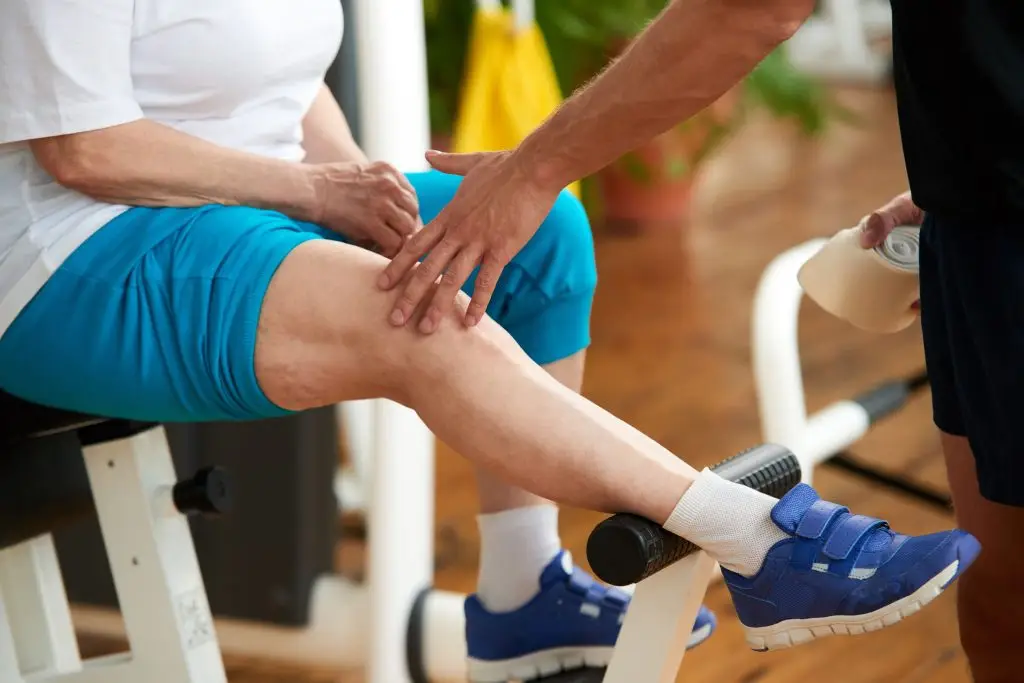
Exercise is beneficial at all stages, particularly in the early stages, to help manage symptoms. Physical activities such as swimming or cycling and guided physical therapy help strengthen muscles around the knee, improve joint stability, and enhance flexibility. Physical therapists may also teach methods for reducing discomfort during daily activities.
Pain Relief Medication
For mild to moderate OA, nonsteroidal anti-inflammatory drugs like ibuprofen and analgesics like paracetamol can help relieve pain and inflammation. These medications do not treat the underlying cause but can make it easier to carry out everyday tasks.
Corticosteroid Injections
In moderate to severe cases, corticosteroids may be injected directly into the knee joint to reduce inflammation and provide temporary pain relief. While their anti-inflammatory effects can last several weeks to months, repeated use may lead to side effects, so they are recommended sparingly.
Hyaluronic Acid Injections (Viscosupplementation)
Viscosupplementation involves injecting hyaluronic acid into the knee to act as a lubricant, helping improve joint movement and reduce pain. It is typically used in moderate OA, though its effectiveness may diminish in advanced cases with more significant cartilage loss.
Knee Braces
Braces provide additional support to the knee, helping redistribute weight and alleviate pressure on painful areas. They are most useful in mild to moderate stages during activities that strain the joint, such as walking or climbing stairs.
Surgical Treatment Options
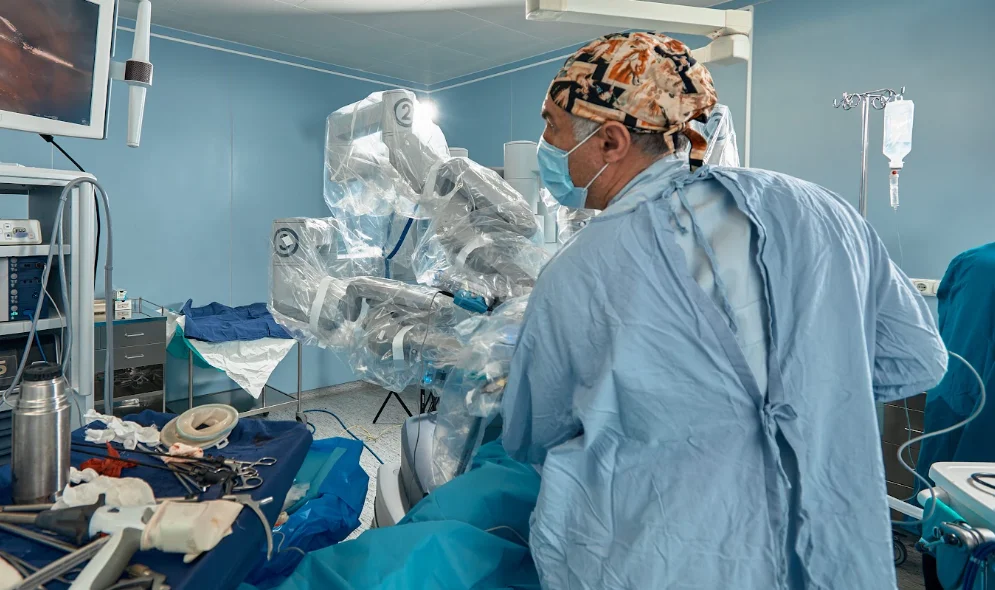
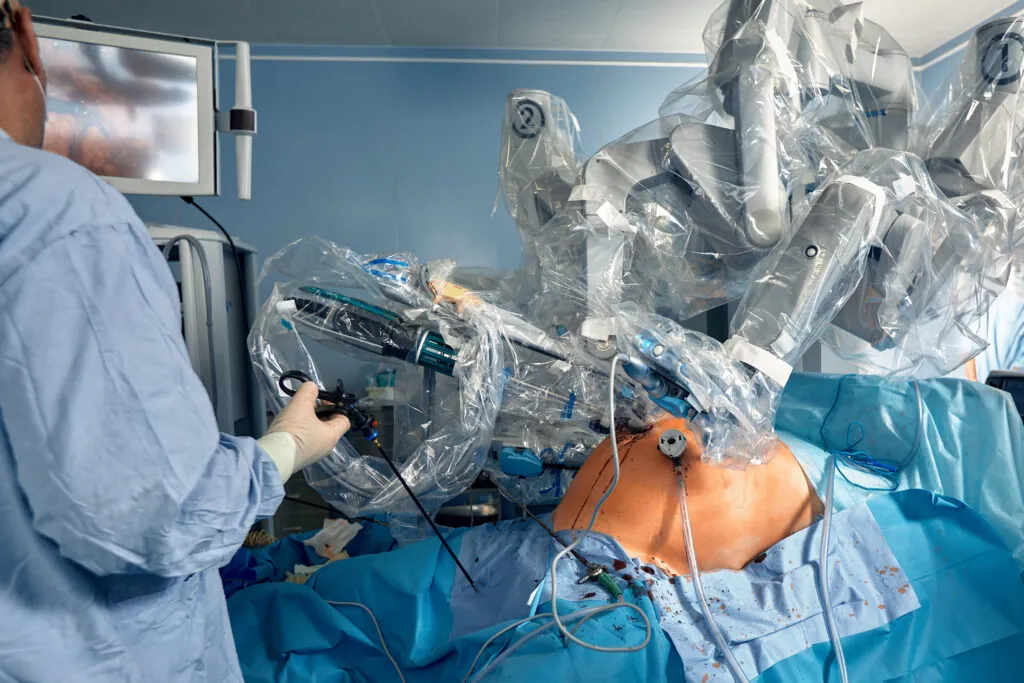
When non-surgical treatments are insufficient, surgical options may be recommended, particularly for moderate to severe stages of knee osteoarthritis.
Partial Knee Replacement
This procedure is suitable when damage is confined to a specific area of the knee, such as the inner, outer, or front section. Only the affected portion is replaced with artificial components, while healthy cartilage and bone are preserved. Partial knee replacement is less invasive than total knee replacement, allowing for quicker recovery and retaining more of the joint’s natural function and structure.
Total Knee Replacement
If osteoarthritis affects multiple areas of the knee or the entire joint, total knee replacement may be required. This surgery involves replacing damaged bone and cartilage with artificial components made of metal and plastic. It restores joint alignment, improves function, and reduces chronic pain. Patients typically undergo a structured rehabilitation program after surgery, and full recovery may take several months, depending on individual progress.
Conclusion
Knee osteoarthritis progresses gradually, with each stage requiring specific management strategies. Early stages can often be managed with lifestyle changes and non-surgical treatments, while more advanced stages may call for surgical options to restore joint function and alleviate pain. Recognising the stage of the condition ensures timely care, helping individuals maintain mobility and physical independence. Consulting with a specialist provides valuable guidance in selecting the most effective treatment based on the progression of the condition.
Reach out to us today to explore the most suitable treatment for your stage of knee osteoarthritis.