Did you know that knee injections can provide relief for up to 6 months with a procedure that takes less time than your morning coffee break? Knee injections deliver medication directly into the joint space, providing targeted relief for arthritis, inflammation, and other knee conditions. The procedure takes 15-30 minutes in an outpatient setting, and most patients experience minimal discomfort during the injection.
Your first knee injection experience involves several distinct phases: pre-procedure preparation, the injection process, and immediate post-injection care. The type of injection—corticosteroid, hyaluronic acid, or platelet-rich plasma—determines specific aspects of your experience, though the general procedure remains similar across all injection types.
Pre-Appointment Preparation
- Stop taking anti-inflammatory medications 48-72 hours before your appointment unless your orthopaedic surgeon advises otherwise.
- Blood-thinning medications may require adjustment—your doctor will provide specific instructions based on your medication regimen.
- Wear loose-fitting shorts or pants that roll up easily above the knee for convenient access to the injection site.
- Arrange transportation if you’re receiving sedation, though most knee injections require only a local anaesthetic.
- Eat normally before your appointment unless specifically instructed to fast.
- Bring your imaging results (X-rays, MRI scans) and a complete medication list.
- Your orthopaedic surgeon needs information about previous injections, allergic reactions to medications, and current symptoms.
- Document your pain levels over the past week, noting activities that worsen or improve symptoms.
This information helps determine an appropriate injection type for your condition.
The Injection Procedure
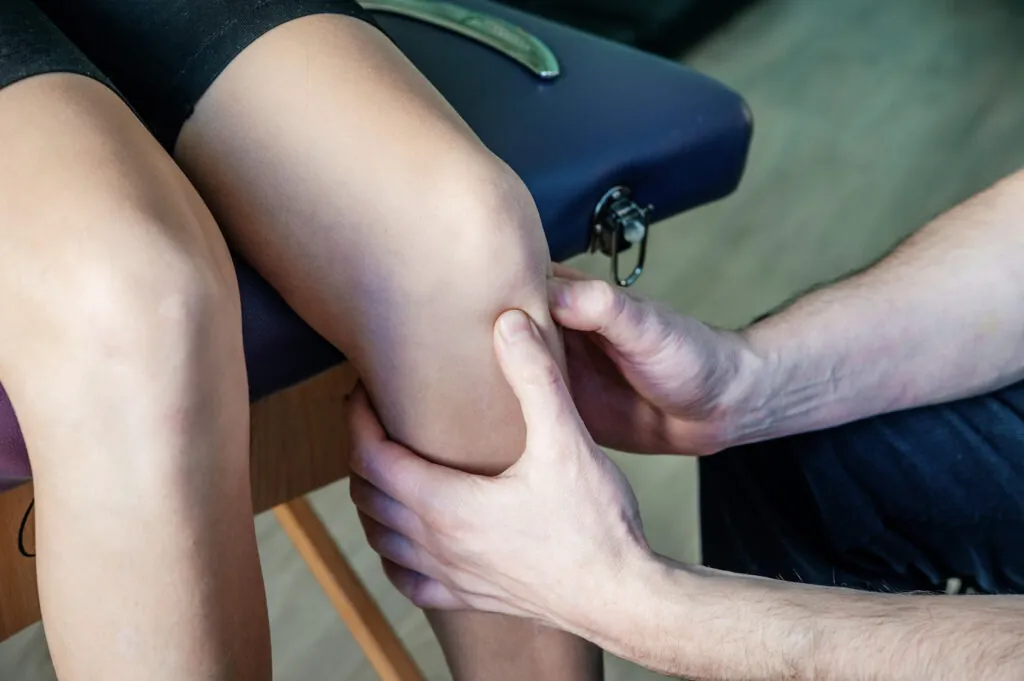
The nurse positions you on the examination table with your knee slightly bent at 20-30 degrees, supported by a rolled towel. This position opens the joint space for easier needle access. The doctor examines your knee, identifying anatomical landmarks and the injection site—typically the superolateral (outer upper) area of the knee.
Skin preparation involves cleaning with an antiseptic solution in expanding circles from the injection site outward. Some orthopaedic surgeons use imaging guidance to visualise the needle path and confirm accurate placement within the joint space. The local anaesthetic injection produces a brief stinging sensation lasting 3-5 seconds, followed by numbness.
💡 Did You Know?
The knee joint contains specialized cells called synoviocytes that produce synovial fluid. Injections can stimulate these cells to improve natural lubrication.
The main injection uses a larger needle than the anaesthetic. You’ll feel pressure but minimal pain due to the numbing effect. The doctor may aspirate (withdraw) excess fluid before injecting medication, particularly if significant swelling exists. The injection itself takes 30-60 seconds. Some patients report a sensation of fullness or mild pressure as medication enters the joint space.
After withdrawing the needle, the doctor applies gentle pressure with sterile gauze to prevent bleeding. A small adhesive bandage covers the injection site. The entire procedure from positioning to bandage application typically takes 10-15 minutes.
Immediate Post-Injection Experience
Rest in the clinic for 10-15 minutes after the injection to monitor for any immediate adverse reactions. The nurse checks your vital signs and observes for signs of allergic reaction, though severe reactions remain rare. Your knee may feel slightly full or different due to the added fluid volume in the joint.
Walking immediately after injection is usually permitted and encouraged. The local anaesthetic may cause temporary numbness around the injection site lasting 2-4 hours. Avoid strenuous activities for 24-48 hours following injection. Ice application for 20 minutes every few hours helps minimise swelling and discomfort at the injection site.
Some patients experience a “steroid flare”—temporary increased pain and warmth in the joint occurring 24-48 hours after corticosteroid injection. This reaction affects some patients and resolves within 2-3 days. Hyaluronic acid injections rarely cause flares but may produce mild swelling that subsides gradually.
Recovery Timeline and Expectations
Days 1-3 mark the acute post-injection period. Mild soreness at the injection site is routine, manageable with paracetamol and ice. Avoid NSAIDs during this period as they may interfere with the injection’s anti-inflammatory effects. Continue normal daily activities, but postpone vigorous exercise or sports.
Week 1 brings gradual improvement for corticosteroid injections, with reduced pain and improved mobility typically appearing by days 5-7. Hyaluronic acid injections work more slowly, with benefits typically appearing after 2-4 weeks. Return to exercise gradually, starting with low-impact activities like swimming or stationary cycling.
⚠️ Important Note
Infection signs include increasing pain, redness spreading from the injection site, warmth, fever, or drainage. These symptoms require medical evaluation, though infection risk remains low with proper sterile technique.
The benefit from corticosteroid injections occurs at 1-2 weeks and may last 3-6 months. Hyaluronic acid effects peak around 8-12 weeks and can last 6 months or longer. Individual responses vary based on arthritis severity, activity level, and injection type.
Managing Expectations and Follow-Up
Pain relief varies among patients—some experience improvement while others notice modest benefits. Complete pain elimination is uncommon; realistic expectations include pain reduction and improved function. The first injection often provides valuable diagnostic information, helping your orthopaedic surgeon refine treatment approaches.
Document your injection response in a pain diary, noting daily pain levels and functional improvements. Track activities you can perform more easily, and those that still cause discomfort. This information guides decisions about repeat injections or alternative treatments.
Follow-up appointments typically occur 4-6 weeks post-injection to assess response and plan ongoing management. Your orthopaedic surgeon evaluates pain reduction, functional improvement, and the duration of the injection to determine treatment intervals. Most patients receiving corticosteroid injections can safely receive multiple injections annually, while hyaluronic acid protocols vary by specific product used.
What Our Orthopaedic Surgeon Says
The actual discomfort is comparable to a blood test, lasting just seconds.
Successful injection therapy depends on accurate diagnosis and appropriate patient selection. Not every knee problem responds to injections, which is why a thorough evaluation before proceeding is essential. We combine clinical examination, imaging findings, and patient history to determine whether injection therapy is appropriate for your specific condition.
Combining injections with appropriate exercises, weight management, and activity modification often produces improved long-term results than injections alone.
Putting This Into Practice
- Schedule your injection appointment for a day when you can rest afterwards, avoiding physical activities or travel for 48 hours post-injection.
- Prepare a symptom diary documenting your knee pain patterns, triggering activities, and current limitations to share with your orthopaedic surgeon during consultation.
- Create a comfortable recovery space at home with ice packs, elevation pillows, and easy access to medications before your appointment.
- Plan gentle activities for the week following the injection, such as pool walking or seated exercises, to maintain mobility without stressing the treated joint.
- Establish realistic outcome measures with your doctor, identifying specific functional goals, such as climbing stairs pain-free or walking certain distances comfortably.
When to Seek Professional Help
- Severe pain persisting beyond 72 hours post-injection
- Signs of infection: increasing redness, warmth, or drainage at the injection site
- Fever above 38°C within one week of injection
- Sudden knee swelling or inability to bear weight
- Allergic reaction symptoms: rash, difficulty breathing, facial swelling
- No improvement after the expected onset period for your injection type
- New symptoms not present before the injection
Commonly Asked Questions
How painful is the actual knee injection?
The initial anaesthetic injection causes brief stinging lasting 3-5 seconds. The main injection feels like pressure rather than sharp pain due to numbing. Most patients rate discomfort at 2-3 on a 10-point scale, comparable to routine blood draws.
Can I drive myself home after the injection?
Yes, unless you receive sedation or your treated leg is your driving leg and feels unstable. Most patients drive normally after the injection, though some prefer having transportation arranged for comfort and convenience.
When can I resume sports or exercise?
Low-impact activities like swimming or cycling can resume after 48-72 hours. High-impact sports are typically avoided for 1-2 weeks. Your doctor provides specific guidelines based on your injection type and baseline activity level.
Will I need multiple injections?
Many patients benefit from a series of injections. Hyaluronic acid protocols often involve 3-5 weekly injections initially. Corticosteroid injections are typically single doses repeated every 3-6 months as needed, with annual limits for safety.
What if the injection doesn’t work?
Lack of response to one injection type doesn’t preclude trying alternatives. Your doctor may recommend different medications, injection techniques, or progression to other treatments like physiotherapy, arthroscopy, or eventual joint replacement.
Conclusion
Preparation significantly impacts your injection experience—arriving with appropriate clothing, medication lists, and realistic expectations. Post-injection care involves avoiding high-impact activities for 48 hours while maintaining gentle movement. Most patients experience minimal procedural discomfort and can return to normal activities within days.
If you’re experiencing persistent knee pain that limits daily activities or interferes with sleep, an orthopaedic surgeon can evaluate your condition and determine if injection therapy is appropriate for your specific situation.