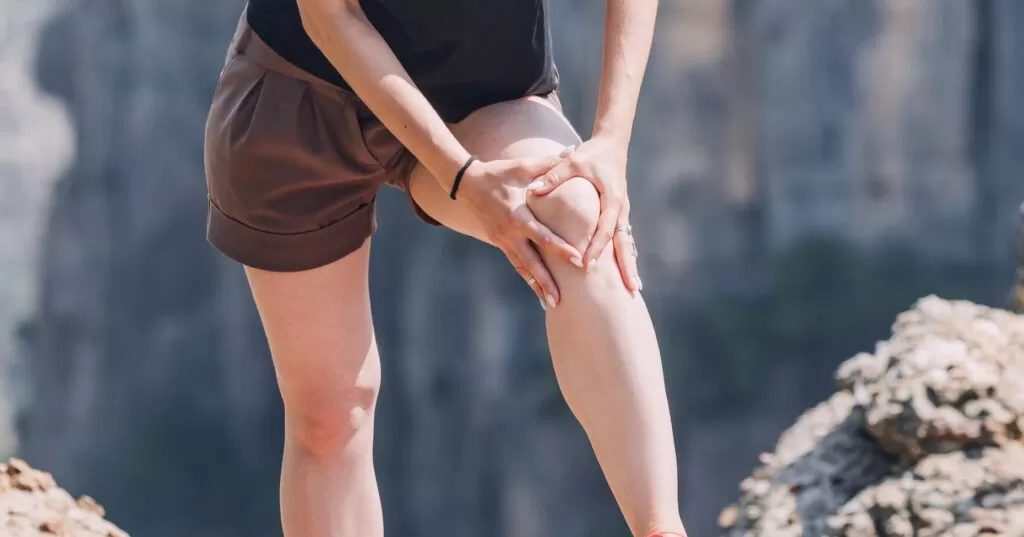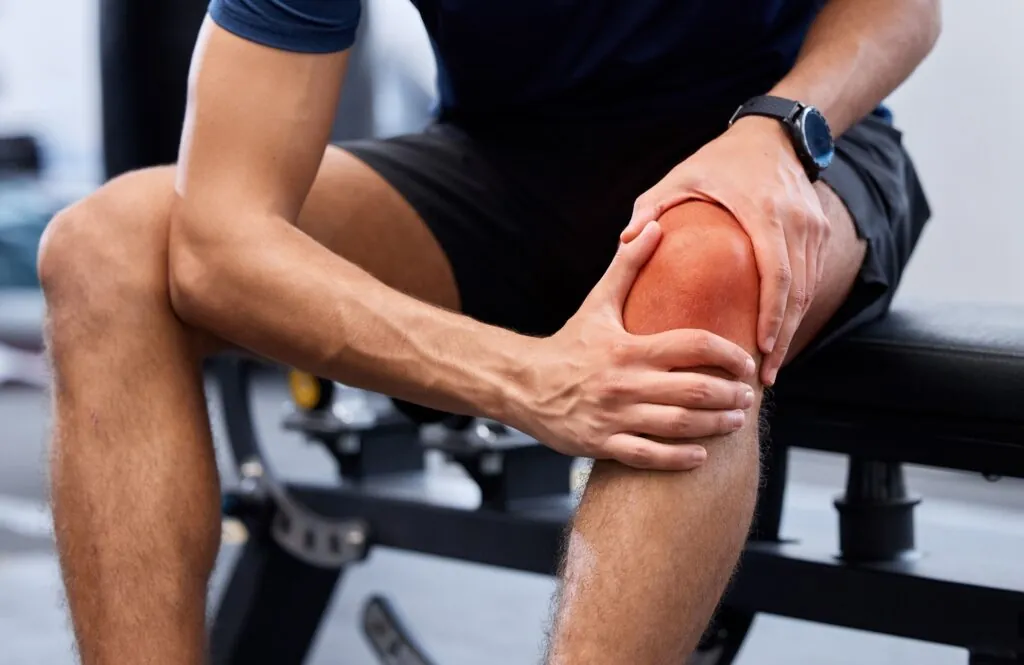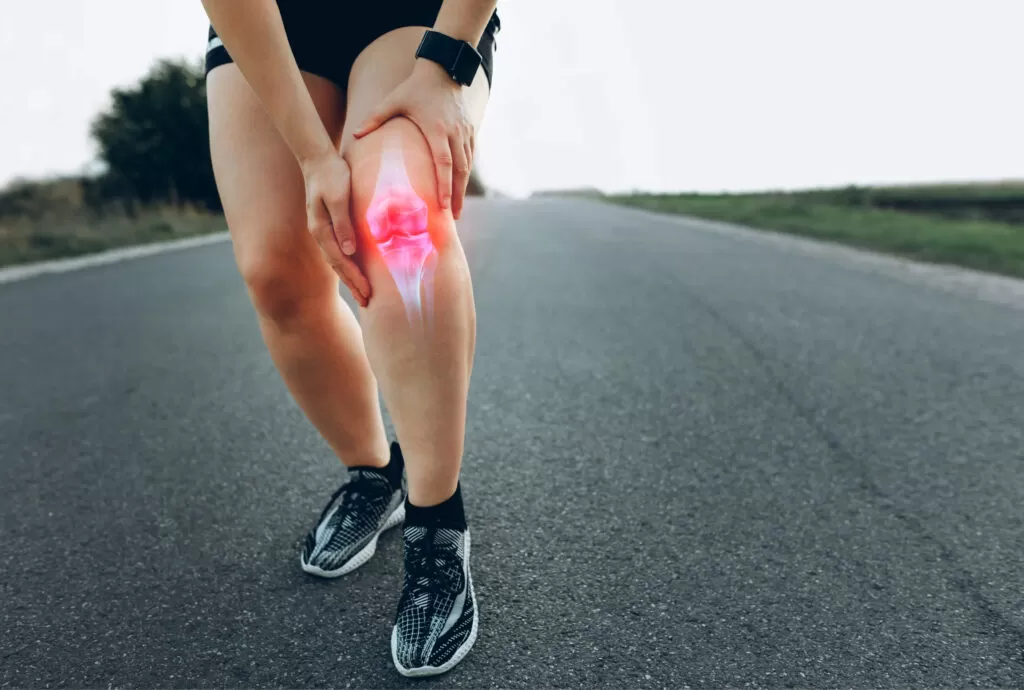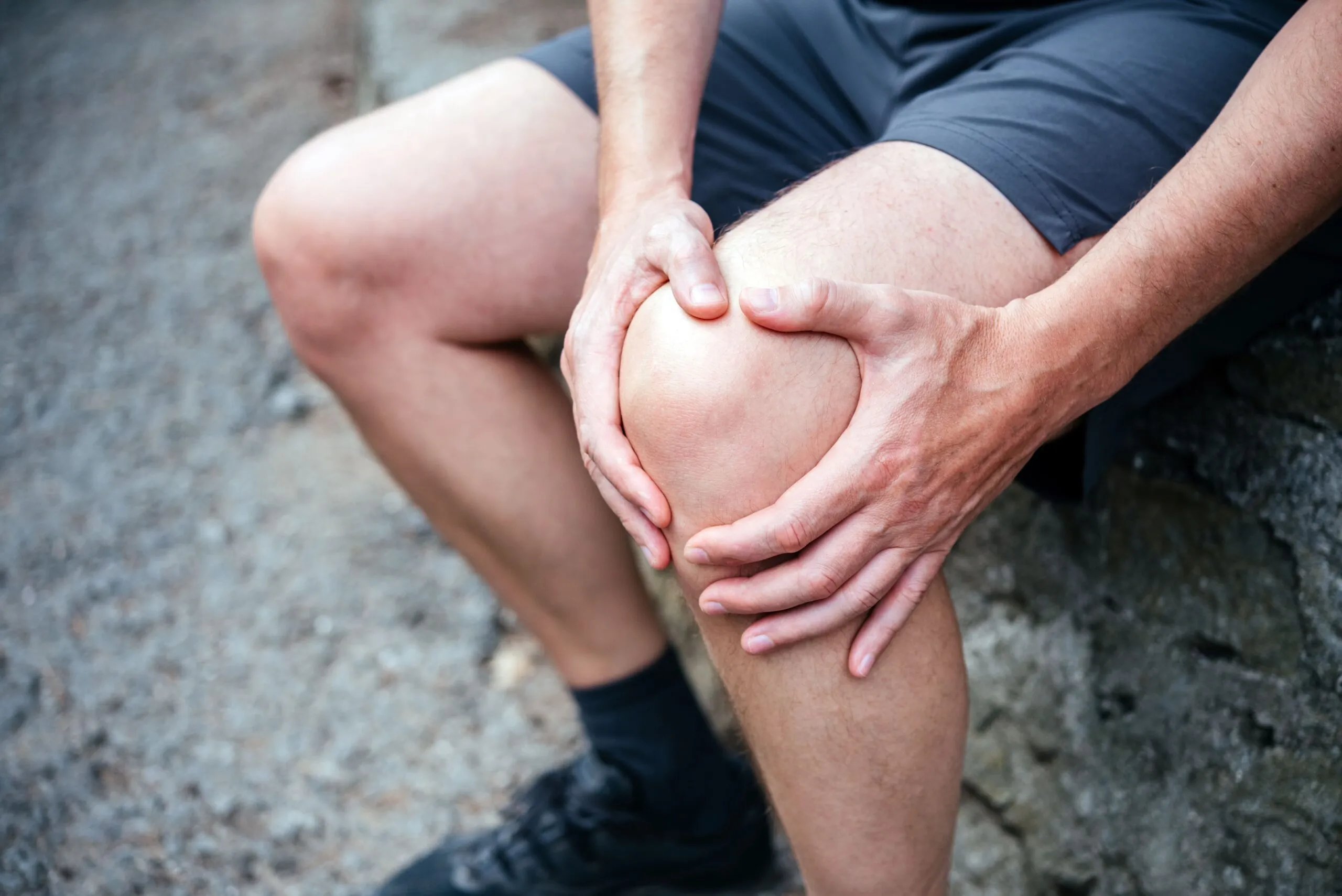
Noticing a swollen knee after exercise can be worrying, especially if it’s not something you’ve experienced before. Whether you’re a weekend jogger or a seasoned athlete, knee swelling may be your body’s way of signalling that something isn’t right. While occasional mild swelling can be part of your body’s natural response to increased activity, persistent or painful swelling may indicate an underlying issue that requires attention.
In this article, we’ll explore the common causes of post-exercise knee swelling, what symptoms to watch for, and when it’s time to seek medical advice.
Understanding Knee Swelling
Knee swelling—also known as knee effusion or “water on the knee”, occurs when excess fluid accumulates in or around the joint. It can result from a variety of causes, including overuse, inflammation, or injury to the structures within the knee such as cartilage, ligaments, or the joint lining.
Depending on the cause, swelling can develop immediately after exercise or appear gradually over several hours.
Common Causes of Knee Swelling After Exercise
1. Overuse or Repetitive Strain
Excessive or sudden increases in physical activity, such as running longer distances or squatting heavier weights than usual, can irritate the soft tissues around the knee.
Symptoms: Mild to moderate swelling, generalised knee ache, and stiffness after activity.
What Helps: Rest, ice, compression, elevation (R.I.C.E.), and a short break from high-impact exercise.
2. Meniscus Irritation or Tear
The meniscus is a C-shaped cartilage that cushions the knee joint. Repetitive twisting or deep bending motions can lead to irritation or, in more serious cases, tearing.
Symptoms: Localised swelling, joint line tenderness, clicking or catching during movement.
What Helps: If swelling persists or is accompanied by locking or instability, an orthopaedic evaluation is recommended. MRI may be needed for diagnosis.
3. Patellofemoral Pain Syndrome
Increased pressure between the kneecap and the underlying femur, especially during squats or lunges, can irritate the joint and lead to inflammation.
Symptoms: Swelling around the front of the knee, dull ache during or after activity, pain when sitting or climbing stairs.
What Helps: Physiotherapy to improve muscle balance and patella tracking, activity modification, and anti-inflammatory measures.
4. Ligament Strain or Sprain
Even without a full tear, stretching the ligaments around the knee, especially the ACL or MCL, can trigger an inflammatory response after high-impact activities. Mild sprains may resolve with rest and physiotherapy. However, if you experience persistent instability, a ‘popping’ sensation, or significant swelling, you should be reviewed by an ACL specialist in Singapore to rule out a complete rupture.
Symptoms: Swelling, a feeling of looseness or instability, and discomfort during movement.
What Helps: Mild sprains may resolve with rest and physiotherapy. Persistent instability or significant swelling should be reviewed by an orthopaedic knee specialist.
5. Underlying Osteoarthritis
For some older individuals, exercise can temporarily worsen inflammation in a knee joint affected by early osteoarthritis, resulting in mild swelling and stiffness post-activity.
Symptoms: Gradual onset swelling, stiffness that improves with movement, and a deep aching sensation.
What Helps: Low-impact exercises (like cycling or swimming), weight management, and joint-friendly strengthening routines.
When Should You Be Concerned?
Occasional, mild swelling that resolves within a day or two is usually not a cause for concern. However, you should seek medical evaluation if you experience any of the following:
- Swelling that lasts more than 48–72 hours
- Pain that interferes with walking or weight-bearing
- Warmth, redness, or fever (which could indicate infection)
- Recurrent swelling after every exercise session
- Instability, locking, or clicking sensations in the knee
Conclusion
A swollen knee after exercise can stem from something as simple as overuse or indicate an underlying structural issue. If the swelling doesn’t subside with rest, or if it keeps coming back, seeking professional evaluation is the next step to ensure you don’t risk further damage or long-term joint issues.
Concerned about persistent knee swelling? Book a consultation with Dr Poh Seng Yew, orthopaedic specialist in knee and sports injuries, to get a thorough diagnosis and a personalised treatment plan tailored to your activity level and goals.