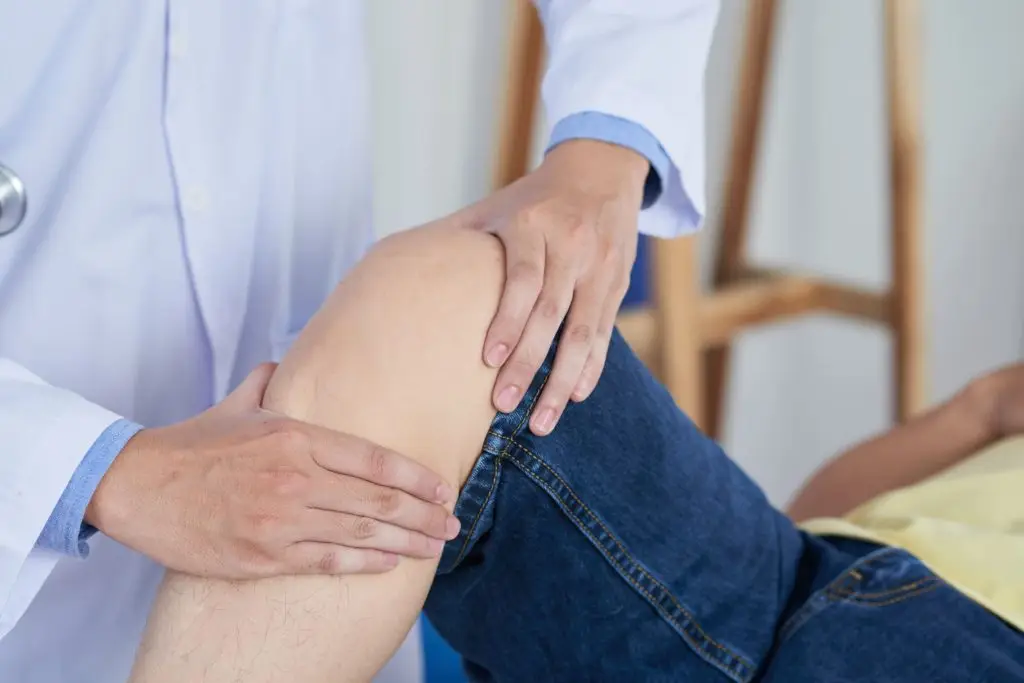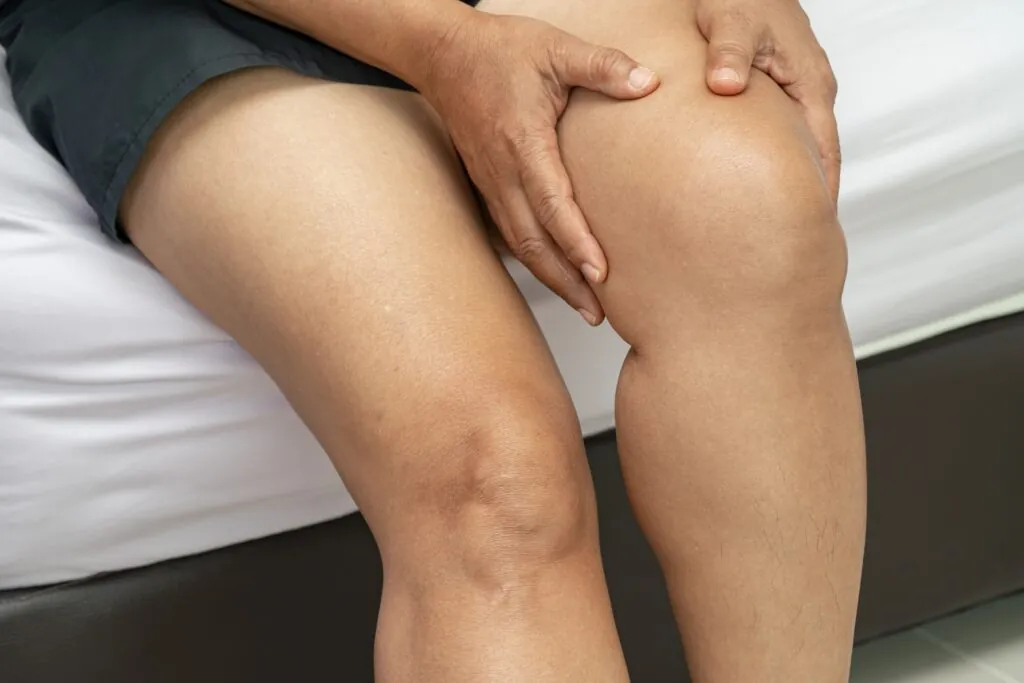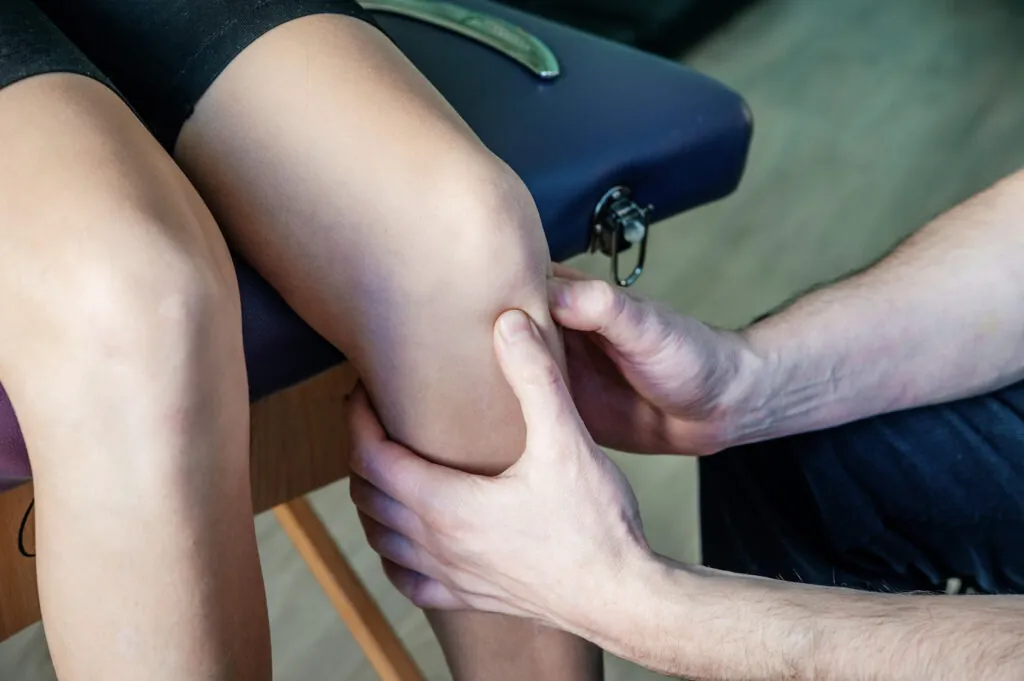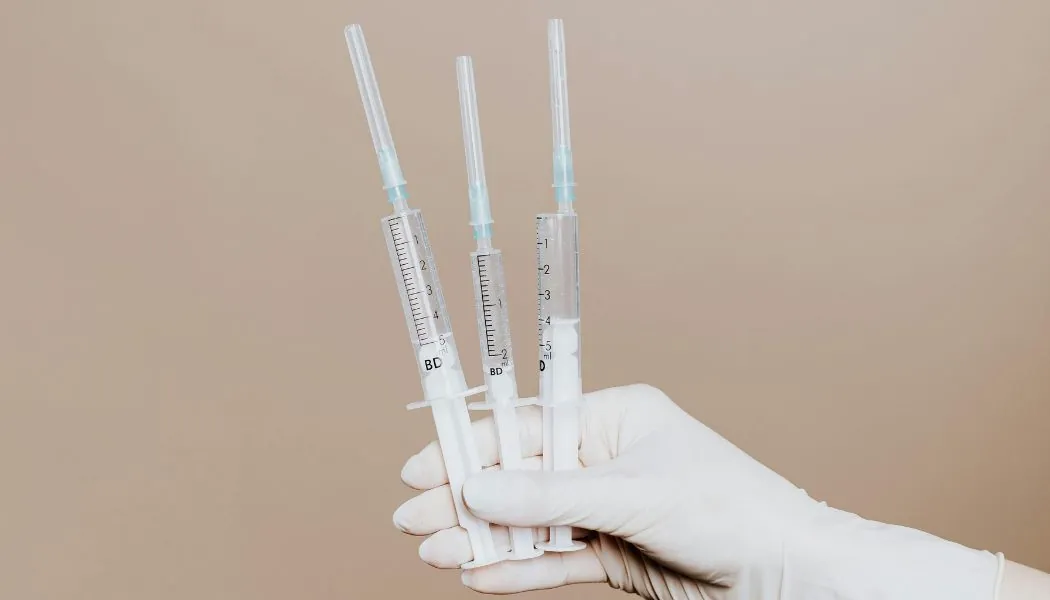
Does your knee pain worsen when climbing stairs or persist despite rest and medication? Knee injections deliver medication directly into the joint space, bypassing the digestive system and providing targeted relief for conditions such as osteoarthritis, inflammatory arthritis, and sports injuries. Each injection type works through different mechanisms – some reduce inflammation, others improve joint lubrication, and others promote tissue regeneration.
The choice between injection types depends on your specific diagnosis, previous treatment responses, and the underlying cause of your knee pain.
Corticosteroid Injections
Corticosteroids reduce inflammation by suppressing the immune response within the joint. These synthetic hormones mimic cortisol, decreasing the production of inflammatory substances that cause pain and swelling. The medication typically combines a corticosteroid, such as triamcinolone or methylprednisolone, with a local anaesthetic.
Relief often begins within 24-48 hours and can last anywhere from several weeks to several months. The duration varies depending on the severity of inflammation and the individual’s response. Patients with inflammatory arthritis frequently experience longer-lasting relief compared to those with mechanical osteoarthritis.
Orthopaedic guidelines recommend limiting corticosteroid injections to 3-4 times per year in the same joint. Excessive use can weaken cartilage and surrounding tissues. The injection procedure takes approximately 5-10 minutes in the clinic, with most patients resuming normal activities the following day.
Common temporary effects include facial flushing, increased blood sugar levels in diabetic patients, and mild pain at the injection site. These typically resolve within 48-72 hours. Infection remains rare when proper sterile technique is followed.
Hyaluronic Acid (Viscosupplementation)
Hyaluronic acid naturally occurs in synovial fluid, providing lubrication and shock absorption within joints. Osteoarthritis reduces both the quantity and quality of this natural lubricant. Viscosupplementation replaces the depleted hyaluronic acid with synthetic versions that closely match the molecular weight of healthy joint fluid.
Current formulations include single-injection options and series requiring 3-5 weekly injections. Single-injection products use cross-linked hyaluronic acid molecules that resist breakdown, while multi-injection series gradually build up lubrication. Both approaches aim to restore the joint’s natural cushioning properties.
Maximum benefit typically develops 4-8 weeks after completing the injection series, with effects lasting 6-12 months in responsive patients. Those with mild to moderate osteoarthritis generally experience improved outcomes compared to patients with severe joint degeneration.
The injections work particularly well for patients who cannot tolerate oral medications or wish to delay surgical intervention. Unlike corticosteroids, hyaluronic acid doesn’t affect blood glucose levels or bone density, making it suitable for patients with diabetes and those requiring frequent treatments.
Platelet-Rich Plasma (PRP) Therapy
PRP therapy concentrates healing factors from your own blood to stimulate tissue repair. The process involves drawing 30-60 mL of blood, spinning it in a centrifuge to separate platelets, and then injecting the concentrated platelets back into the knee. These platelets release growth factors, including PDGF, TGF-β, and VEGF, that promote healing.
The concentration process increases platelet counts several times above baseline levels. Higher concentrations don’t necessarily yield better results—the optimal concentration depends on the specific condition being treated. Tendon injuries often respond to different PRP formulations than cartilage problems.
Recovery involves an initial inflammatory phase lasting 3-7 days, during which the knee may feel more painful. This represents the initiation of the healing cascade, not treatment failure. Improvement typically becomes noticeable 4-6 weeks post-injection, with continued progress for 3-6 months.
Multiple injection protocols exist, ranging from single treatments to series of 2-3 injections spaced 2-4 weeks apart. An orthopaedic surgeon can determine the appropriate protocol based on MRI results and the specific structures requiring treatment.
Stem Cell Injections
Mesenchymal stem cells can differentiate into various tissue types, including cartilage, potentially regenerating damaged joint structures. These cells are obtained from two primary sources: bone marrow aspiration from the pelvis or adipose tissue harvested via mini-liposuction. Both procedures occur under local anaesthesia.
The harvested cells undergo processing to concentrate the stem cell fraction before injection. Some protocols culture cells to increase cell numbers, whereas others use same-day processing. Current evidence suggests that fresh cells may yield outcomes similar to those of cultured preparations.
Treatment protocols vary significantly between clinics. Some combine stem cells with PRP to enhance the healing environment, while others use stem cells alone. The injection technique allows accurate placement within areas of cartilage damage.
Recovery follows a similar pattern to PRP, with initial inflammation followed by gradual improvement over 3-6 months. Patients typically modify activities for 2-4 weeks post-injection to allow cellular integration. Physical therapy protocols support the regenerative process through controlled loading.
Choosing the Right Injection
Severity of Arthritis
Mild osteoarthritis often responds well to hyaluronic acid or PRP, while moderate cases may benefit from combining approaches. Severe arthritis with bone-on-bone contact rarely improves with any injection therapy. X-rays and MRI scans help determine the degree of joint damage.
Previous Treatment Response
Patients who experienced good but temporary relief from corticosteroids might consider longer-acting options. Those with a minimal response to anti-inflammatory approaches may benefit more from regenerative therapies that target the underlying tissue damage.
Activity Level and Goals
Active individuals seeking to maintain sports participation often prefer regenerative options that potentially strengthen the joint rather than merely masking symptoms. Sedentary patients may find adequate relief from simpler interventions, such as corticosteroids or hyaluronic acid.
Medical Conditions
Diabetes affects the choice of corticosteroids and the monitoring requirements. Bleeding disorders contraindicate PRP and stem cell harvesting. Active infections anywhere in the body postpone all injection treatments until resolution.
What Our Orthopaedic Surgeon Says
“Each knee injection option serves a specific purpose in treatment approaches. Corticosteroids can help address inflammatory cycles, while viscosupplementation may be suitable for mechanical symptoms. Regenerative options, such as PRP, may be considered for younger patients with focal cartilage damage. The approach involves matching the treatment to the underlying pathology and patient goals. Injection therapy is often combined with physiotherapy and activity modification.”
Putting This Into Practice
- Schedule an orthopaedic consultation to determine which injection may be suitable for your specific knee condition and imaging findings.
- Prepare a list of prior treatments, including oral medications, physical therapy, and any prior injections, along with their outcomes.
- Plan your injection timing around essential events, allowing adequate recovery time, especially for regenerative therapies.
- Arrange post-injection physiotherapy as recommended by your orthopaedic surgeon to support treatment outcomes through appropriate strengthening and range of motion exercises.
- Track your response using a pain diary, noting changes in symptoms, function, and activity tolerance over the weeks following the injection.
When to Seek Professional Help
- Knee pain persists beyond several weeks despite rest and over-the-counter medications
- Swelling that doesn’t respond to ice and elevation
- Catching, locking, or giving way sensations during walking
- Morning stiffness lasting more than 30 minutes
- Pain that interrupts sleep or daily activities
- The previous injection relief is wearing off sooner than expected
- Interest in exploring treatment options before considering surgery
Commonly Asked Questions
How long should I wait between different types of injections?
Most orthopaedic surgeons recommend waiting 3-6 months between injection types to accurately assess the effectiveness of each treatment. Switching too quickly prevents proper evaluation of results. The exception concerns combining therapies, such as PRP with hyaluronic acid, which some protocols administer during the same treatment session.
Can I receive knee injections in both knees during the same visit?
Bilateral injections are possible for corticosteroids and hyaluronic acid, although some patients prefer to treat one knee at a time to maintain mobility. PRP and stem cell procedures typically treat single joints due to limitations in blood draws and post-procedure activity restrictions.
Will insurance cover these injection treatments?
Corticosteroid injections for documented arthritis are covered by many plans. Newer regenerative therapies, such as PRP and stem cells, often require out-of-pocket payment because many consider them investigational.
How do I know if the injection is working?
Track specific functional improvements rather than pain scores alone. Note changes in walking distance, stair climbing ability, and morning stiffness duration. Most injections take 2-8 weeks to reach full effect.
What activities should I avoid after knee injections?
Corticosteroid and hyaluronic acid injections typically allow return to normal activities within 24-48 hours. PRP and stem cell treatments require 2-4 weeks of modified activity, avoiding high-impact exercises while allowing gentle range-of-motion exercises and walking.
Conclusion
Key injection options include corticosteroids for immediate relief of inflammation, hyaluronic acid for joint lubrication, and regenerative therapies such as PRP and stem cells for tissue repair. Each treatment targets different aspects of knee problems, with effectiveness depending on arthritis severity and individual response. Proper timing and post-injection rehabilitation optimise outcomes for most patients.
If you’re experiencing persistent knee pain, swelling, or catching sensations that limit your daily activities, consult an orthopaedic surgeon to evaluate your condition and discuss appropriate injection options.