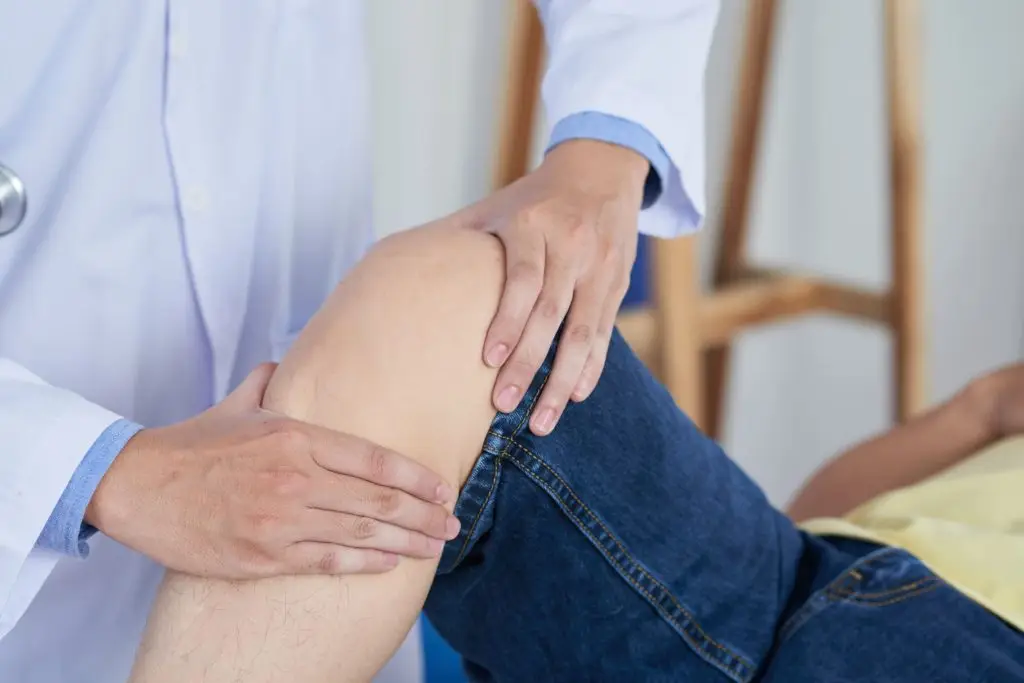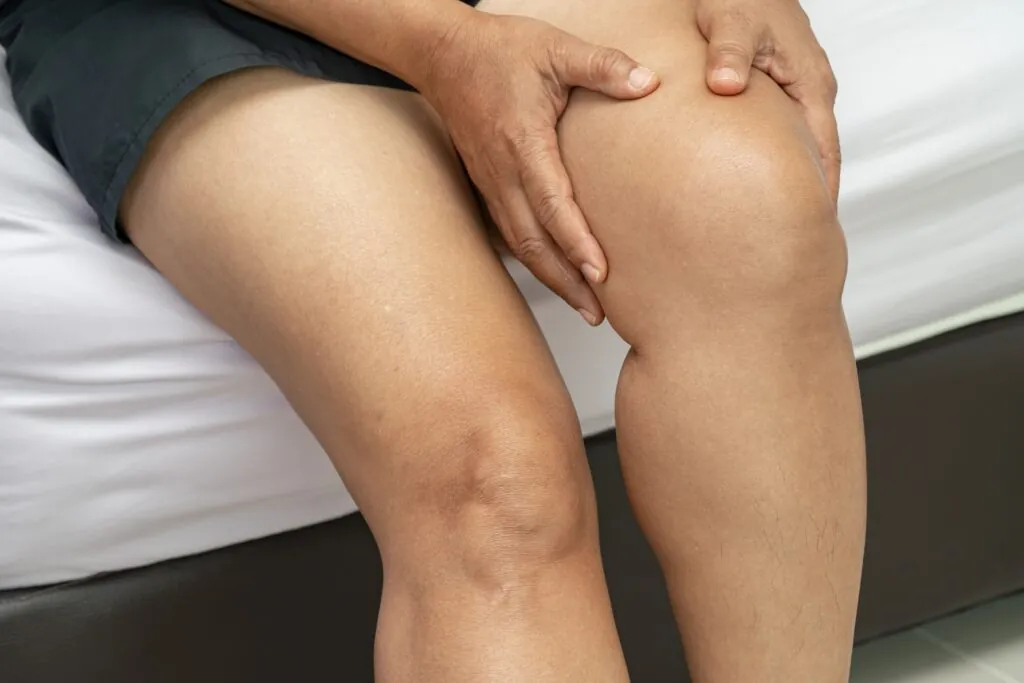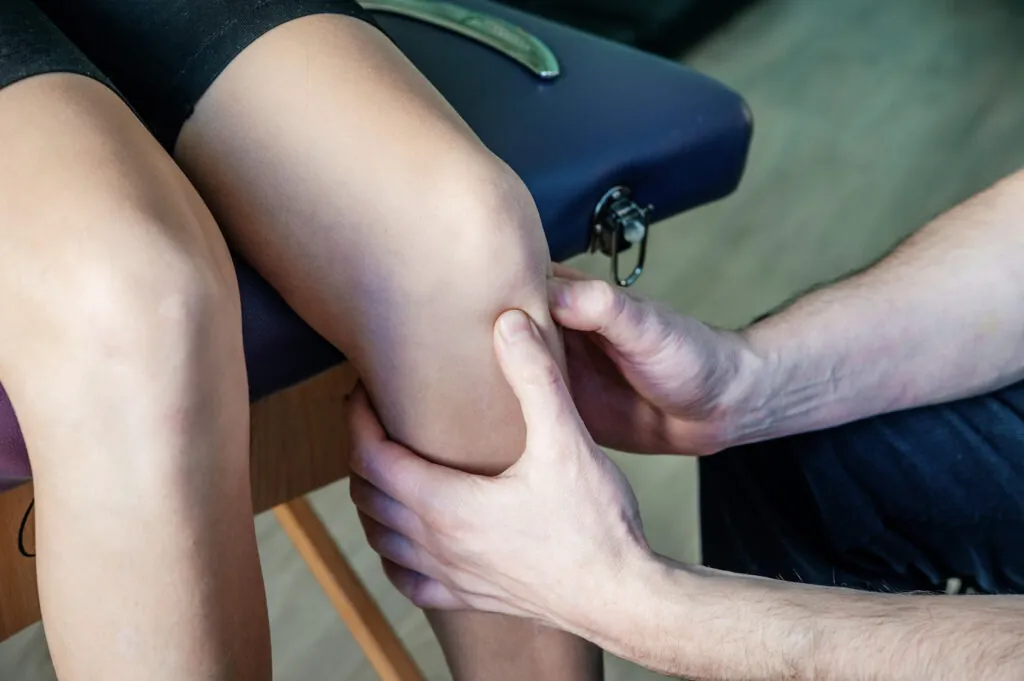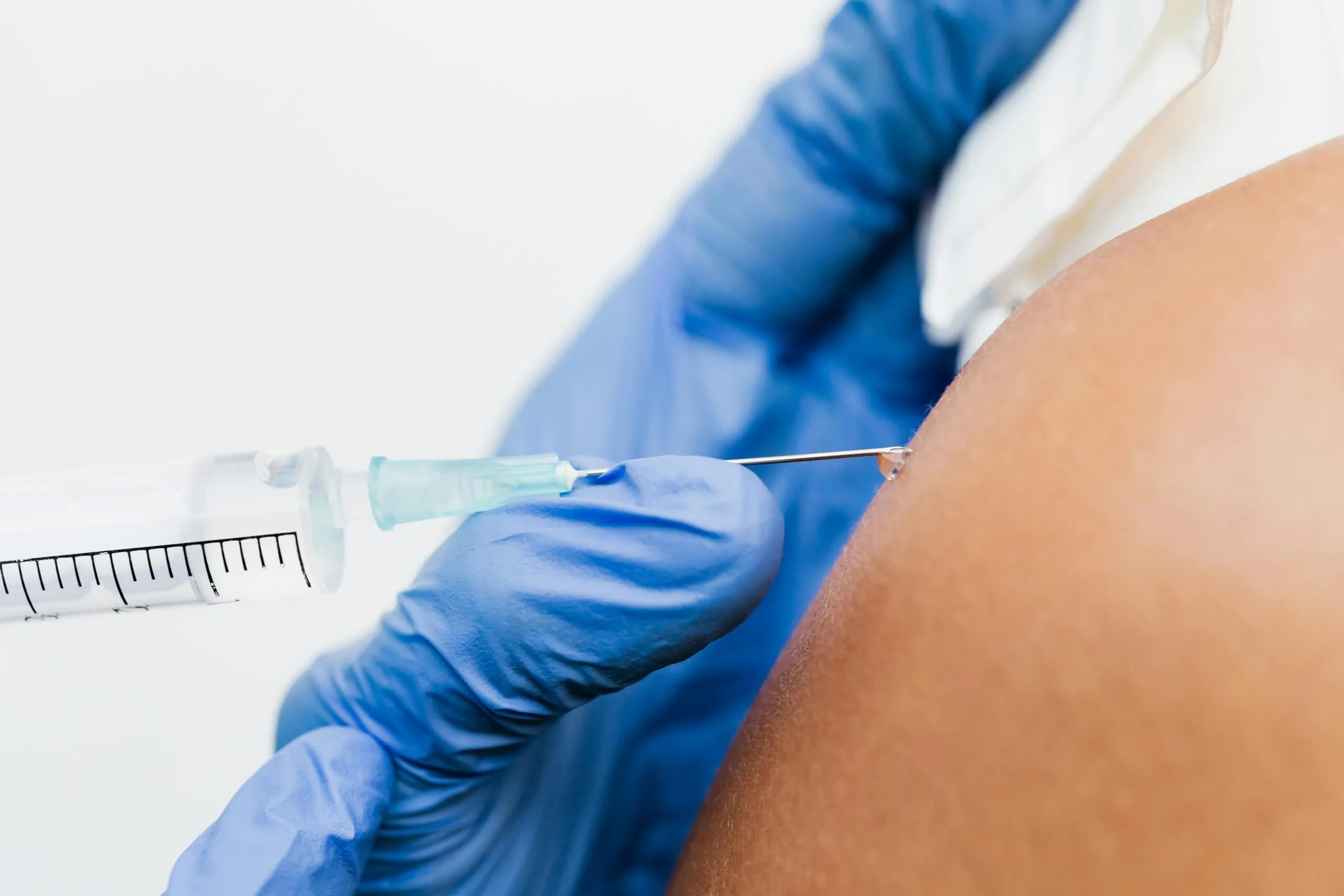
Are your knees limiting your ability to climb stairs or walk without discomfort? Knee injections deliver medication directly into the joint space, bypassing the digestive system and providing concentrated treatment where needed. Different injection types serve distinct purposes:
- Corticosteroids reduce inflammation within days
- Hyaluronic acid supplements natural joint fluid over weeks
- Platelet-rich plasma promotes tissue repair over months
The choice depends on the specific condition, activity level, and treatment goals, as determined by an orthopaedic surgeon.
Unlike oral medications that affect the entire body, knee injections target the source of pain and dysfunction. This precision reduces systemic side effects while maximising therapeutic benefits at the joint level. Current injection techniques typically yield accurate placement, thereby improving outcomes and reducing procedural discomfort.
Types of Knee Injections and Their Functions
Corticosteroid Injections
Corticosteroids are anti-inflammatory agents that reduce swelling and pain within 24 to 72 hours. The medication decreases inflammatory proteins in the synovial fluid while stabilising cell membranes to prevent further inflammation. Effects typically last 6-12 weeks, although individual responses vary based on the severity of the condition and activity levels.
These injections are effective for inflammatory arthritis flares, acute sports injuries, and episodes of osteoarthritis. The onset makes them a viable option for patients who need relief to maintain mobility or participate in physical therapy.
Hyaluronic Acid (Viscosupplementation)
Hyaluronic acid mimics the properties of natural synovial fluid, thereby improving joint lubrication and shock absorption. The gel-like substance coats cartilage surfaces, reducing friction during movement and potentially stimulating the production of natural hyaluronic acid. Treatment involves 1-5 weekly injections, depending on the specific product used.
Benefits develop gradually over 2-4 weeks and may last 6-12 months. The treatment is suitable for patients with mild to moderate osteoarthritis who want to delay surgery or cannot tolerate other treatments. Some formulations include cross-linked molecules that remain in the joint longer, potentially extending the duration of benefit.
Platelet-Rich Plasma (PRP)
PRP concentrates healing factors from your own blood and delivers them directly to damaged tissue. The preparation process spins blood samples to isolate platelets, yielding a solution with a higher platelet concentration. These platelets release proteins that stimulate tissue repair and reduce inflammation through natural healing pathways.
The treatment requires 1-3 injections administered at weekly intervals, with improvements occurring over 2-6 months. PRP shows promise in the treatment of early osteoarthritis, tendon injuries, and ligament damage. Because it uses the patient’s own cells, allergic reactions are rare.
Mechanisms of Joint Protection
Knee injections protect joints through multiple pathways beyond simple pain relief. Corticosteroids interrupt the inflammatory cascade that degrades cartilage, thereby preserving remaining tissue. By reducing inflammatory enzymes like matrix metalloproteinases, these injections slow the degradation process that characterises arthritis progression.
Hyaluronic acid provides mechanical protection by improving weight distribution across the joint surface. The supplemented fluid creates a cushioning layer that absorbs impact forces during walking, reducing direct cartilage stress. This mechanical benefit is complemented by biochemical effects: hyaluronic acid molecules interact with cartilage cells to promote the production of protective proteins.
PRP injections stimulate cellular repair mechanisms dormant in ageing or damaged joints. Growth factors activate stem cells within the joint, promoting the formation of new tissue. The treatment also enhances blood vessel formation, improving nutrient delivery to cartilage that lacks its own blood supply.
💡 Did You Know?
Knee cartilage receives nutrients through compression and release during movement – like a sponge absorbing water. Injections that improve joint mechanics enhance this natural feeding process.
Impact on Mobility and Function
Reduced pain from knee injections may enable a greater range of motion and increased exercise participation. Patients often report improved walking distance, stair-climbing ability, and reduced morning stiffness within weeks of treatment. This increased activity can create positive feedback loops – movement strengthens supporting muscles, improves joint flexibility, and maintains cartilage health through regular compression cycles.
Injection therapy may allow patients to engage in physical therapy more effectively. When pain limits exercise performance, muscle strength declines and joint mechanics deteriorate. By controlling symptoms, injections can create windows for strengthening exercises that provide long-term joint stability. Stronger quadriceps and hamstrings reduce knee stress during daily activities.
The mobility improvements extend beyond physical capabilities. Patients may regain independence in daily activities, including shopping, gardening, and recreational pursuits. This functional improvement often reduces fall risk by improving balance confidence and reaction times during unexpected movements.
Treatment Planning and Timing
Injection timing can help optimise benefits while managing treatment frequency. Initial evaluation includes imaging studies to assess cartilage thickness, joint space narrowing, and bone changes. This baseline helps predict treatment response and guides injection selection.
For inflammatory conditions, corticosteroid injections during acute flares may help prevent cumulative joint damage. Spacing treatments at least three months apart balances symptom control with cartilage preservation. Patients may benefit from seasonal timing, receiving injections before periods of increased activity.
Combination approaches are often considered. Starting with corticosteroids for rapid relief, followed by hyaluronic acid for sustained improvement, addresses both immediate and long-term needs. PRP may be used for patients seeking regenerative benefits after initial symptom control.
⚠️ Important Note
Injection frequency matters – excessive corticosteroid use may weaken cartilage over time. An orthopaedic surgeon monitors cumulative exposure and adjusts treatment plans accordingly.
Complementary Treatments
Knee injections are synergistic with other interventions in comprehensive joint care. Weight management reduces mechanical stress on knee joints. Combining injections with structured weight loss programs may provide symptom relief and support long-term outcomes.
Physical therapy may complement the benefits of injections through targeted exercises. Therapists design programs that strengthen specific muscle groups while avoiding harmful movements. Aquatic therapy provides resistance training with reduced joint loading, which may be suitable during post-injection recovery periods.
Lifestyle modifications may support injection effectiveness:
- Using proper footwear with adequate cushioning
- Modifying high-impact activities
- Incorporating joint-friendly exercises like cycling or swimming
- Nutritional support through anti-inflammatory foods and appropriate supplements
What an Orthopaedic Surgeon Says
“Knee injections serve as valuable tools within comprehensive treatment plans. I evaluate each patient’s activity goals, joint condition, and overall health to select appropriate injection types and timing. Some patients delay or avoid surgery through strategic injection use combined with lifestyle modifications. Early intervention – treating joint problems before severe damage occurs – may yield better long-term outcomes than waiting until advanced arthritis develops.”
Monitoring Long-Term Outcomes
Regular assessment allows injection strategies to remain effective over time. Follow-up appointments typically occur 4-6 weeks post-injection to evaluate response. Standardised questionnaires objectively measure pain levels, function, and improvements in quality of life.
Imaging studies at 6-12 month intervals track structural changes. While injections cannot reverse existing damage, stable joint space measurements indicate successful disease modification. Some patients show improved cartilage appearance on MRI following PRP treatments, though individual responses vary considerably.
Treatment adjustments reflect changing needs. Initial success with a single injection type doesn’t guarantee sustained effectiveness. Your orthopaedic surgeon may recommend switching between injection types or adjusting intervals based on symptom patterns and activity levels.
✅ Quick Tip
Keep a symptom diary noting pain levels, activity tolerance, and injection responses. This information helps your surgeon determine appropriate treatment timing and selection.
Putting This Into Practice
- Schedule injections during periods of lower activity to allow proper rest and recovery.
- Follow recommended physical therapy exercises between injections to maintain strength.
- Track your daily steps and gradually increase walking distance as comfort improves.
- Modify activities that cause sharp pain while maintaining overall movement levels.
- Use ice therapy after increased activity to control minor inflammation between treatments.
When to Seek Professional Help
- Knee pain is limiting daily activities despite conservative measures
- Swelling that persists for more than several days
- Mechanical symptoms like locking, catching, or giving way
- Morning stiffness lasting more than 30 minutes
- Night pain disrupts sleep regularly
- Decreased walking distance or difficulty with stairs
- The previous injection benefits are wearing off more quickly
Commonly Asked Questions
How quickly do knee injections start working?
Corticosteroid injections typically provide relief within 24-72 hours, with peak effects at one week. Hyaluronic acid requires 2-4 weeks for noticeable improvement, while PRP effects develop gradually over 2-6 months as tissue healing occurs.
Can knee injections prevent the need for surgery?
Injections combined with appropriate exercise and weight management can delay surgery. Early intervention in mild-to-moderate arthritis reduces the need for surgery compared to treating advanced disease.
How long do the benefits typically last?
Corticosteroid effects generally last 6-12 weeks, hyaluronic acid benefits extend 6-12 months, and PRP improvements may persist beyond one year. Individual responses vary based on arthritis severity, activity levels, and concurrent treatments.
Are there activities I should avoid after injections?
Avoid high-impact activities for 24-48 hours post-injection. Swimming and stationary cycling can usually resume within days. Your orthopaedic surgeon provides specific guidelines based on injection type and your condition.
Can different injection types be combined?
Sequential use of different injections often provides results. Common approaches include corticosteroids for acute relief followed by hyaluronic acid or PRP for sustained improvement. Simultaneous mixing of injection types is generally not recommended.
Conclusion
Strategic injection therapy supports joint preservation by targeting inflammation and improving mechanics. When combined with appropriate exercise programs, these treatments help maintain mobility and may delay the need for surgical intervention.
If you’re experiencing persistent knee pain, stiffness, or difficulty with stairs and walking, an orthopaedic surgeon can evaluate your condition and discuss whether injection therapy is a suitable option for your treatment goals.