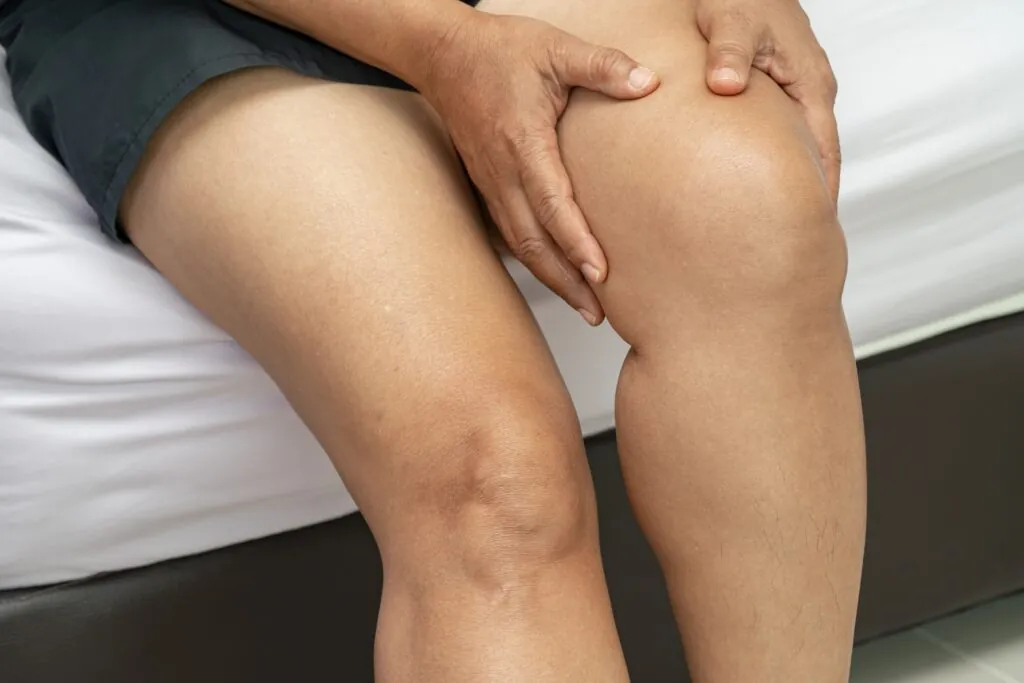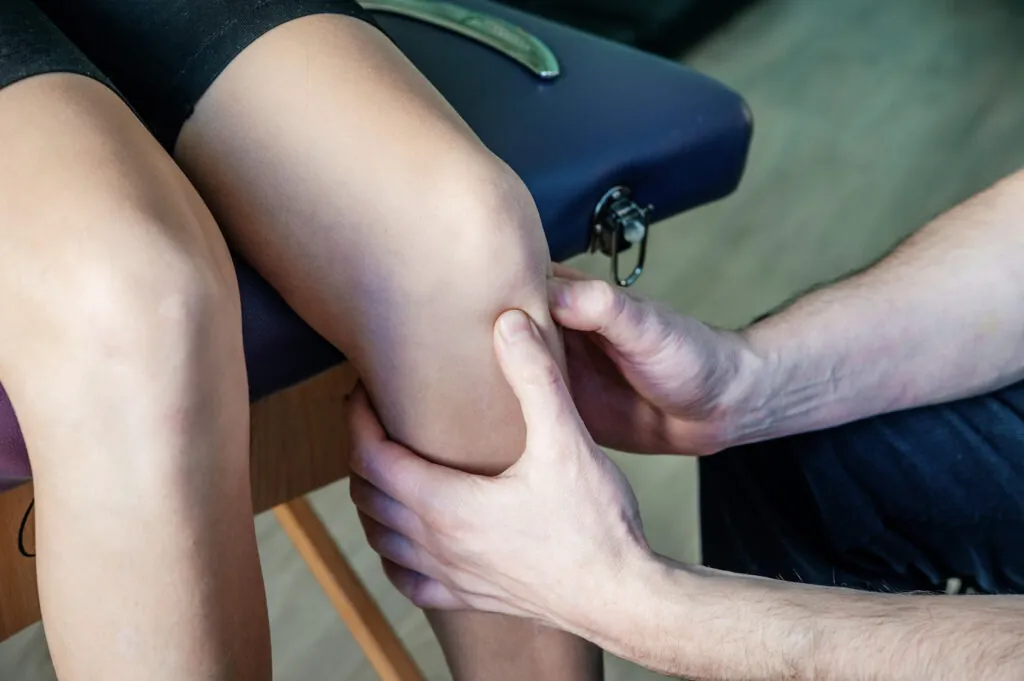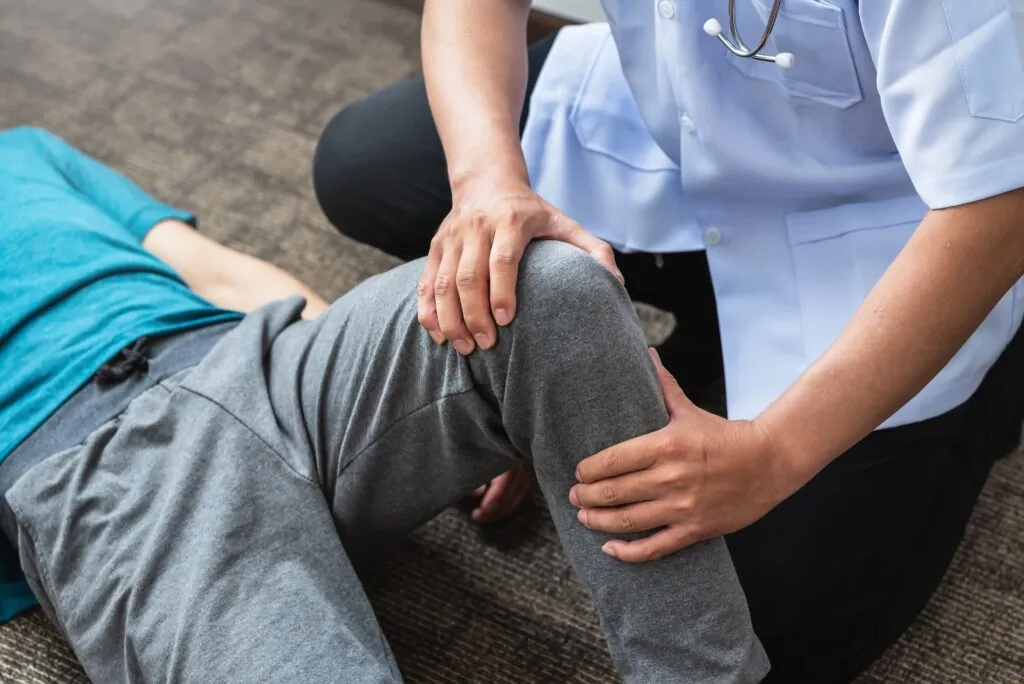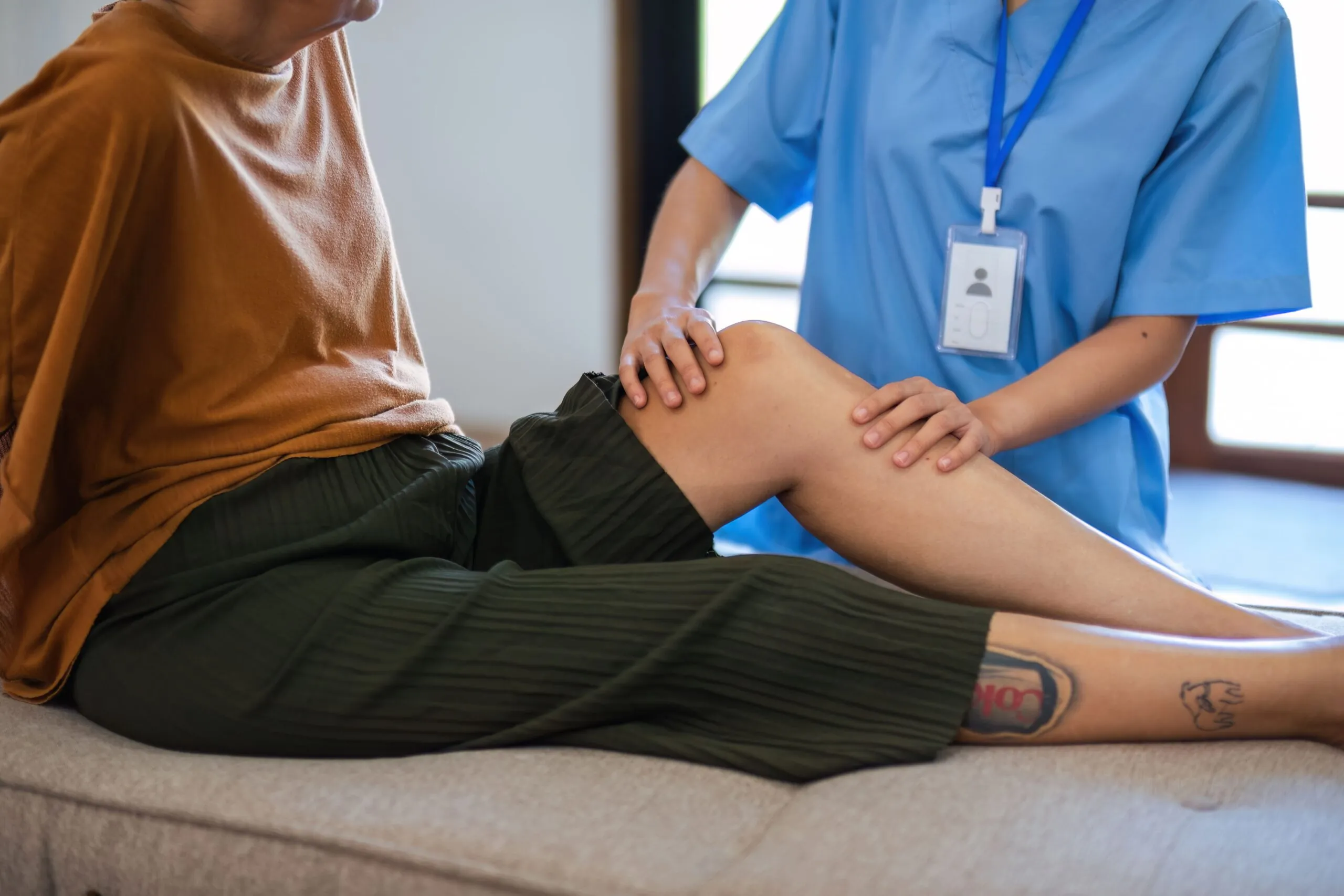
Did you know that knee injections may provide initial pain relief sooner, while physical therapy typically requires several weeks to show functional improvement? Two primary non-surgical treatments – knee injections and physical therapy – offer different approaches to managing pain and improving function. Each treatment works through distinct mechanisms, provides varying relief timelines, and suits different conditions.
The choice between knee injections and physiotherapy depends on several factors: the underlying cause of pain, symptom severity, prior treatment responses, and individual lifestyle requirements. Some patients benefit from a single approach, whereas others find that combination therapy may yield better outcomes. Both treatments aim to reduce pain and restore function, but they achieve these goals through fundamentally different methods.
Types of Knee Injections
Corticosteroid Injections
Corticosteroid injections deliver anti-inflammatory medication directly into the knee joint. The medication reduces inflammation within hours to days, providing relief that typically lasts 6-12 weeks. These injections are effective for inflammatory conditions such as rheumatoid arthritis, osteoarthritis flares, and acute bursitis.
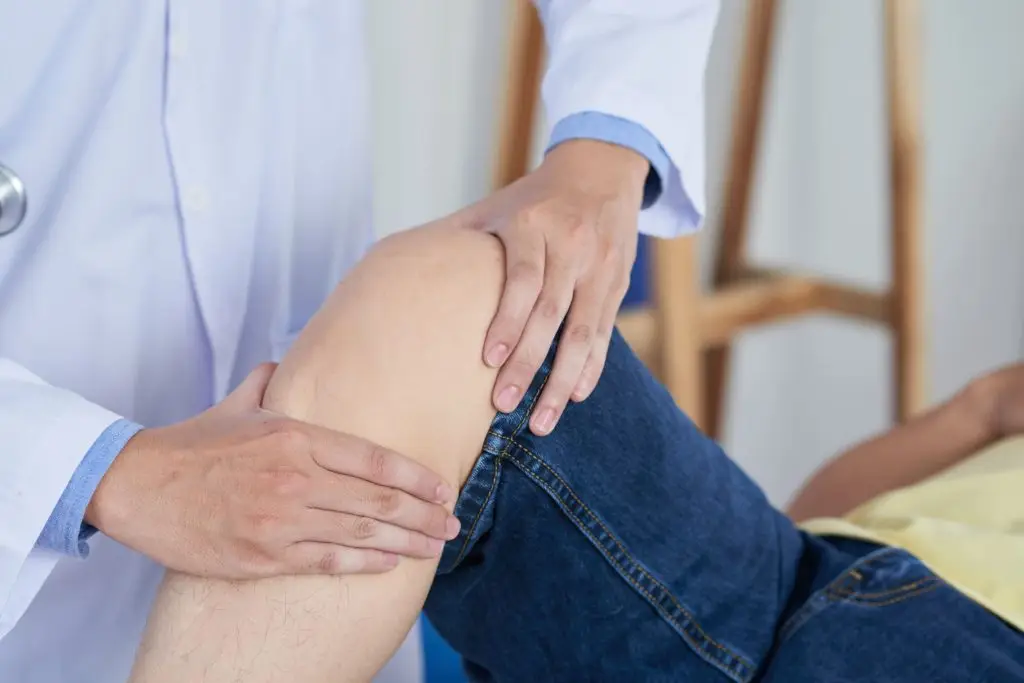
The procedure takes 5-10 minutes in the clinic. Your orthopaedic specialist cleans the injection site, may use a local anaesthetic, and injects the corticosteroid using anatomical landmarks or ultrasound guidance. Many patients experience pain reduction within 48-72 hours, with peak effect at one week.
Corticosteroid injections have limitations. Repeated injections may accelerate cartilage breakdown; therefore, specialists typically limit them to several per joint per year. They provide temporary relief rather than addressing underlying structural problems.
Hyaluronic Acid Injections
Hyaluronic acid injections supplement the knee’s natural joint fluid, improving lubrication and shock absorption. This viscosupplementation treatment involves a series of 1-5 weekly injections, depending on the specific product used. Relief develops gradually over 2-4 weeks and may last 6 months.
These injections are suitable for mild to moderate osteoarthritis in which cartilage remains. The hyaluronic acid acts as a cushion between bones, reducing friction during movement. Some formulations also have anti-inflammatory properties.
Research indicates variable effectiveness: some patients experience relief, whereas others notice minimal improvement. Response often depends on arthritis severity and individual joint characteristics.
Platelet-Rich Plasma (PRP) Injections
PRP injections use concentrated platelets from your own blood to promote healing. The process involves drawing blood, centrifuging it to concentrate platelets, and injecting this plasma into the knee. Platelets release growth factors that may stimulate tissue repair and reduce inflammation.
Treatment typically involves 1-3 injections spaced 2-4 weeks apart. Initial discomfort may increase for several days before improvement begins. Benefits develop over 3-6 months as tissues heal.
PRP shows promise for mild-to-moderate osteoarthritis and tendon injuries. However, preparation methods vary between clinics, affecting consistency and outcomes.
Physical Therapy Approaches
Strengthening Programs
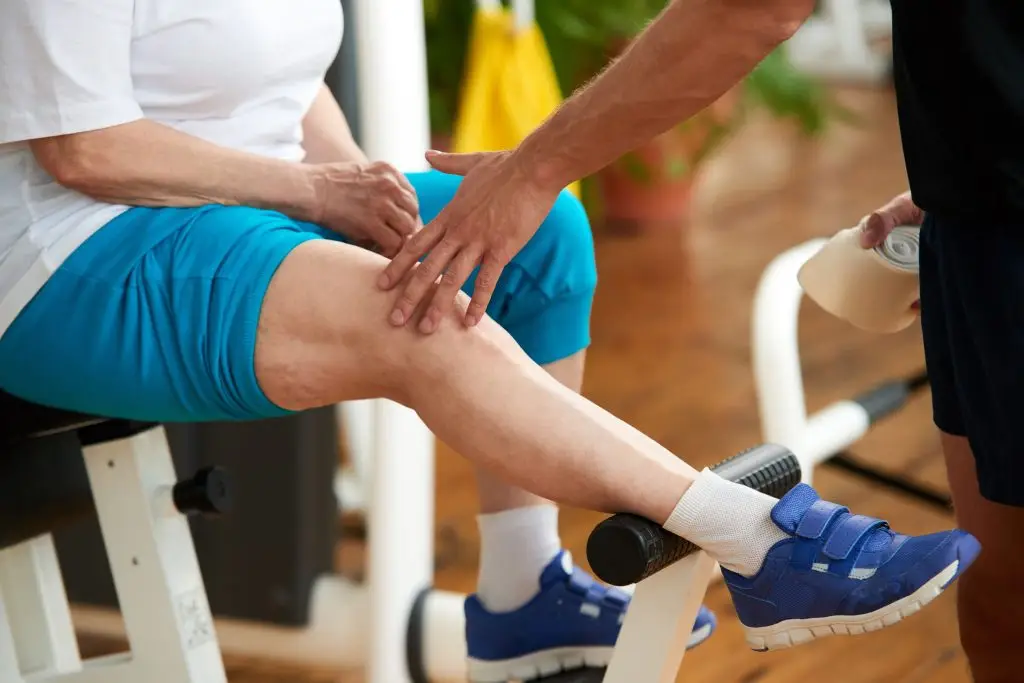
Physical therapy strengthens the muscles that support the knee joint, thereby reducing the load on damaged structures. Quadriceps strengthening may benefit knee osteoarthritis, as these muscles absorb shock during walking and standing. Hamstring and hip strengthening create balanced support around the joint.
Typical programs start with isometric exercises – muscle contractions without joint movement. These progress to resistance-band exercises, then to weighted movements as strength improves. A physiotherapist adjusts resistance and repetitions based on pain levels and progress.
Strengthening requires consistency. Initial improvements appear within several weeks, with substantial gains after regular exercise over a few months. Benefits persist as long as the exercise routine is maintained.
Range of Motion Exercises
Stiff knees create compensatory movement patterns that stress other joints. Range-of-motion exercises restore normal knee bending and straightening through gentle, progressive stretching. These exercises reduce morning stiffness and improve functional activities such as stair climbing.
Physiotherapists use various techniques: passive stretching, in which the therapist moves the knee; active-assisted exercises using straps or the other leg for support; and active movements performed independently. Heat application before stretching improves tissue flexibility.
Progress varies by condition. Post-surgical stiffness often improves within weeks, while long-standing arthritis requires months of consistent stretching for noticeable gains.
Manual Therapy Techniques
Hands-on techniques address soft-tissue restrictions and joint-mobility limitations. Joint mobilisation uses controlled movements to restore normal joint mechanics. Soft-tissue massage reduces muscle tension resulting from guarding painful knees.
These techniques provide immediate but temporary relief. They work best when combined with exercise programs that sustain the improvements achieved during treatment sessions. Manual therapy may help when muscle spasms or joint restrictions limit exercise performance.
Comparing Treatment Options
Speed of Relief
Knee injections often provide a more rapid onset of pain relief than physical therapy. Corticosteroid injections often work within 48-72 hours. Hyaluronic acid takes 2-4 weeks, while PRP requires several months for full effect.
Physical therapy provides gradual improvement. Initial pain reduction may occur within 1-2 weeks as inflammation decreases and movement patterns improve. Functional gains typically require 6-12 weeks of consistent participation.
Duration of Benefits
Injection effects are temporary. Corticosteroids last 6-12 weeks, hyaluronic acid 6 months, and PRP potentially lasts 6-12 months. Once the effects wear off, symptoms may return unless underlying issues improve.
The benefits of physical therapy may persist with maintenance exercise. Strength and flexibility gains may remain as long as modified exercise programs are continued. Patients can transition to independent home programs after formal therapy ends.
Addressing Root Causes
Physical therapy addresses biomechanical factors contributing to knee pain:
- Muscle weakness
- Poor flexibility
- Movement patterns
This approach may help prevent future problems by addressing underlying issues.
Injections manage symptoms without changing joint mechanics or muscle function. They provide a window of reduced pain during which physical therapy may be more tolerable.
Combining Both Approaches
Many patients benefit from combination therapy. Injections can reduce pain, thereby enabling participation in physical therapy. This allows strengthening and mobility work that would otherwise be too painful.
Common combination strategies include:
- Corticosteroid injection followed by physical therapy during the pain-free window. This can help with functional gains while inflammation is controlled.
- Hyaluronic acid series with concurrent physiotherapy. Improved joint lubrication facilitates exercise while strengthening supporting muscles.
- PRP injection with structured rehabilitation protocol. The healing stimulus from PRP, combined with appropriate loading through exercise, may enhance tissue repair.
Your orthopaedic specialist coordinates timing between injections and therapy. Excessive activity immediately after injections may reduce effectiveness, whereas waiting too long can waste the therapeutic window.
Making Your Decision
Condition-Specific Considerations
Inflammatory arthritis often responds well to corticosteroid injections for flare management, with physical therapy between flares maintaining function. Mechanical problems, such as muscle weakness or instability, require physical therapy as the primary treatment.
Severe bone-on-bone arthritis may not improve with either treatment alone. These cases might need surgical consultation if conservative measures fail.
Lifestyle Factors
Active individuals often prefer physical therapy to address movement deficits affecting sports performance. Injections provide temporary relief but don’t improve athletic function long-term.
Patients with time constraints might choose injections for relief. However, neglecting underlying mechanical issues often leads to recurring problems requiring repeated injections.
Previous Treatment Response
Past experiences guide treatment selection. If previous physical therapy provided minimal relief despite good compliance, injections offer an alternative approach. Conversely, short-lived injection benefits may indicate the need for physical therapy to achieve sustained improvement.
💡 Did You Know?
Ultrasound guidance during knee injections improves accuracy, especially in patients with knee deformity or obesity. The real-time imaging ensures medication reaches the joint space rather than surrounding tissues.
What Our Orthopaedic Surgeon Says
“Treatment selection requires careful assessment of each patient’s specific condition, activity level, and treatment goals. I often start with the least invasive option – physical therapy – for mechanical problems and mild arthritis. Injections serve as valuable tools when inflammation prevents effective rehabilitation or when patients need rapid relief for important events. The key is matching treatment to the underlying problem rather than applying a one-size-fits-all approach. Many patients achieve positive outcomes through thoughtfully timed combination therapy.”
Putting This Into Practice
- Document your symptoms: Track pain levels, triggering activities, and functional limitations for two weeks before consultation. Include specific movements that cause pain and times of day when symptoms worsen.
- Try basic exercises: Start with gentle knee bends, straight leg raises, and hamstring stretches. Note which movements increase pain versus which provide relief.
- Prepare questions: List specific functional goals (e.g., returning to tennis, climbing stairs without pain) to discuss realistic treatment expectations with your healthcare provider.
- Consider practical factors: Evaluate your schedule for physical therapy attendance and willingness to perform home exercises.
- Research healthcare providers: Verify your physiotherapist has experience with knee conditions, and your orthopaedic healthcare provider performs knee injections.
When to Seek Professional Help
- Knee pain persists beyond two weeks despite rest and over-the-counter medications
- Swelling that doesn’t resolve with elevation and ice
- Knee giving way or buckling during normal activities
- Unable to fully straighten or bend the knee
- Pain disrupts sleep regularly
- Morning stiffness lasting more than 30 minutes
- The previous injection’s benefits are wearing off more quickly than before
- Physical therapy plateaued despite consistent effort
Commonly Asked Questions
How painful are knee injections compared to physical therapy?
Knee injections cause brief discomfort during the procedure – similar to blood drawing. Local anaesthetic minimises pain. Some patients experience increased soreness for 24-48 hours post-injection. Physical therapy may cause muscle soreness and temporary pain increases during initial sessions, but shouldn’t cause sharp or severe pain.
Can I receive knee injections if I’m already doing physical therapy?
Yes, many patients benefit from concurrent treatment. Inform both providers about your treatment plan. Your physiotherapist may modify exercises for several days post-injection to avoid excessive joint stress while the medication takes effect.
How do I know if physical therapy isn’t working?
Evaluate progress after 6-8 weeks of consistent participation. Warning signs include worsening pain despite correct exercise technique, lack of functional improvement, or inability to progress to more difficult exercises. These suggest reassessment for alternative treatments.
Are there patients who shouldn’t receive knee injections?
Active joint infections, poorly controlled diabetes, and bleeding disorders may contraindicate injections. Recent fever, skin infections near the injection site, or allergy to injection components also prevent treatment. Your orthopaedic specialist screens for these conditions.
What happens if both treatments fail?
Persistent pain despite conservative treatment warrants imaging reassessment and surgical consultation. Options might include arthroscopy for mechanical problems, osteotomy for alignment issues, or joint replacement for severe arthritis.
Next Steps
Choosing between knee injections and physical therapy requires evaluation of your specific condition, symptoms, and goals. Document your symptoms and functional limitations before consultation.
If you’re experiencing persistent knee pain, stiffness, or swelling affecting daily activities, consult an orthopaedic surgeon to determine whether injections or physical therapy best suits your condition.