Did you know that the first 48 hours after a knee injection can significantly influence the treatment outcome? Knee injections deliver medication directly into the joint space to reduce inflammation, lubricate the joint, or promote healing. Your recovery experience depends on the type of injection received – corticosteroid, hyaluronic acid, or platelet-rich plasma (PRP) – and following specific post-injection protocols.
Different injection types require different recovery approaches. Corticosteroid injections often provide pain relief within 24-72 hours but require careful activity modification. Hyaluronic acid injections may cause temporary swelling before improving joint lubrication over several weeks. PRP injections trigger an inflammatory healing response that can increase discomfort for 3-7 days before improvement begins.
Immediate Post-Injection Care
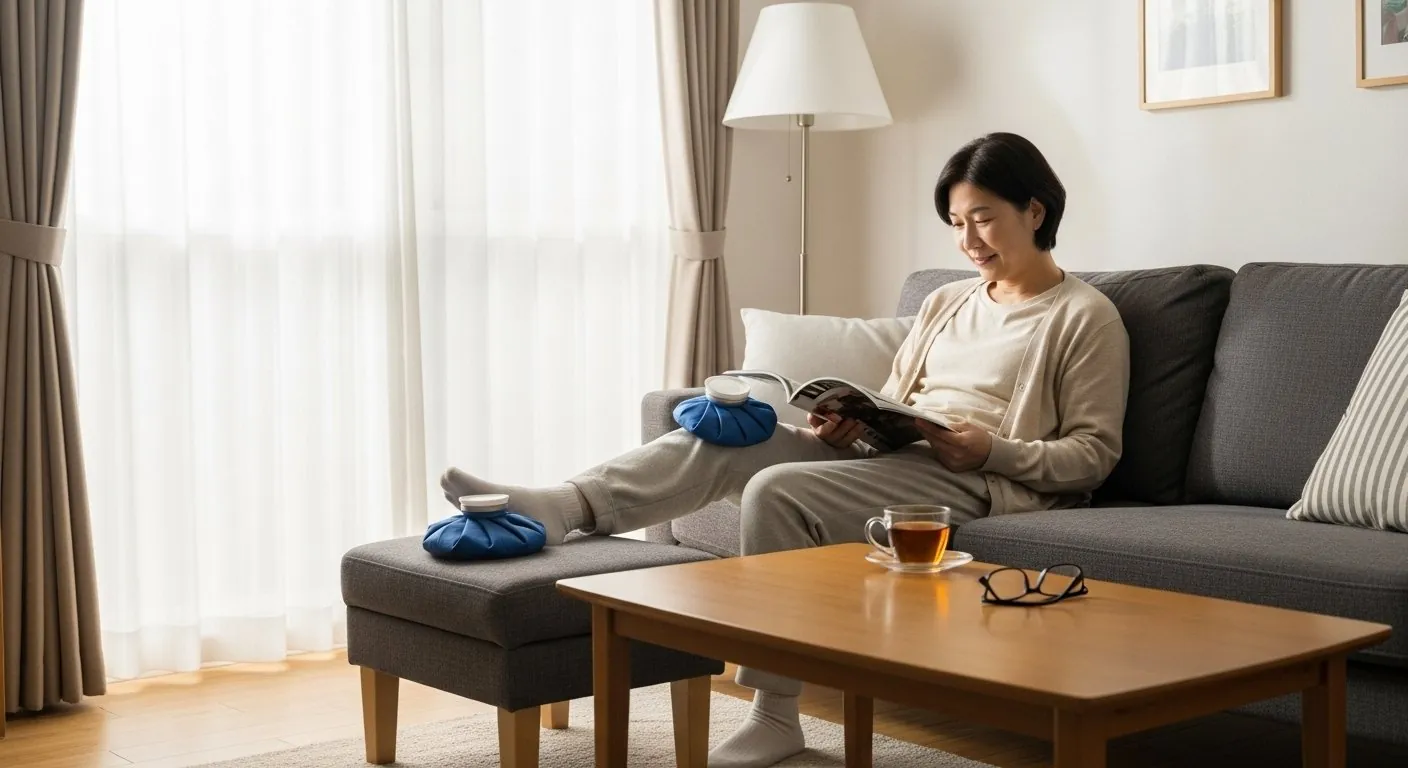
Applying ice to the injection site for 20 minutes every 2-3 hours during the first 24 hours may be helpful. A thin towel between the ice pack and skin can help prevent ice burn. Continuing icing may be beneficial if swelling, warmth, or increased discomfort occur at the injection site.
Resting your knee for 24-48 hours after the injection is generally recommended. Activities that put weight or stress on the joint, including prolonged standing, squatting, or climbing stairs, are typically advised to be avoided during this period. Keeping your leg elevated when sitting or lying down may help reduce swelling and improve circulation.
Monitoring the injection site for normal versus concerning reactions is important. Mild soreness, slight swelling, and temporary stiffness occur commonly and typically resolve within 2-3 days. A small amount of clear fluid drainage from the injection site during the first few hours may be normal.
Paracetamol may be used for discomfort management. NSAIDs like ibuprofen or naproxen are generally advised to be avoided for 48 hours after corticosteroid injections as they may interfere with the medication’s anti-inflammatory effects. For PRP injections, NSAIDs are typically advised to be avoided for 2 weeks as they can inhibit the healing response. A healthcare professional should be consulted for specific guidance on pain management and post-injection care.
Recovery Timeline and What to Expect
Days 1-3: Initial Response Phase
Your knee may feel more uncomfortable than before the injection during this period. This temporary increase in pain, called a “flare reaction,” affects some patients and results from the introduction of fluid into the joint space. The reaction typically peaks at 24-48 hours and then subsides.
Corticosteroid injections often begin providing relief by day 2-3, with maximum benefit reached by day 7-10. Some patients experience significant improvement within 24 hours, while others notice gradual changes over several days.
Hyaluronic acid injections may cause a feeling of fullness or tightness in the knee as the gel-like substance settles into the joint space. This sensation usually resolves as your body adjusts to the added lubrication.
Days 4-7: Stabilisation Period
Most post-injection reactions resolve during this timeframe. You can gradually return to normal daily activities as comfort allows. Start with short walks on flat surfaces and increase distance based on your knee’s response.
For corticosteroid injections, pain relief typically becomes more consistent during this period. The anti-inflammatory effects continue building, reducing swelling and improving joint mobility.
PRP injection recipients often experience the peak of their inflammatory response during days 4-5, followed by gradual improvement. This increased inflammation is part of the healing process.
Weeks 2-4: Optimisation Phase
Hyaluronic acid injections show their benefits during weeks 2-4 as the substance integrates with your natural joint fluid. Improved lubrication leads to smoother joint movement and reduced friction-related pain.
PRP injections begin showing tissue healing and regeneration effects during this period. Patients often report decreased pain with activity and improved joint stability.
Continue activity modification based on your injection type. Corticosteroid recipients can usually return to most activities by week 2, while PRP patients may need 4-6 weeks before high-impact activities.
Activity Modifications During Recovery
Walking remains safe and beneficial throughout recovery, but modify your approach based on comfort. Start with 5-10 minute walks on flat surfaces, avoiding hills or uneven terrain. Increase duration by 5 minutes every 2-3 days as tolerated.
Swimming and water exercises provide low-impact options after the first 48 hours. The buoyancy reduces joint stress while water resistance helps maintain muscle strength. Avoid butterfly stroke or breaststroke if they cause knee discomfort.
Modify your work activities based on physical demands. Desk workers can usually return immediately with periodic standing breaks. Jobs requiring prolonged standing, heavy lifting, or repetitive knee bending may need 3-7 days of modified duties.
Exercise Restrictions by Injection Type
- Corticosteroid Injections:
- Avoid high-impact activities for 1 week
- Resume strength training after 48-72 hours
- Return to sports after 1-2 weeks based on comfort
- Hyaluronic Acid Injections:
- Limit weight-bearing exercise for 48 hours
- Gentle stretching and range-of-motion exercises are encouraged after day 2
- Activities typically resume by week 2
- PRP Injections:
- Avoid impact activities for 2 weeks minimum
- Begin gentle stretching after 1 week
- Progressive loading program starts at week 3-4
- Return to sports at 6-8 weeks with physician clearance
Managing Common Side Effects
Injection Site Reactions
Small bruises at the injection site occur from the needle puncture and typically fade within 7-10 days. Arnica gel or cream may be applied if desired, though you should consult a healthcare professional for appropriate care.
Temporary numbness around the injection site may occur if a local anaesthetic was used. Sensation returns within 2-6 hours. Avoid driving or operating machinery until full sensation returns.
A warm sensation in the knee during the first 24 hours is normal, particularly with corticosteroid injections. This warmth differs from infection-related heat, which develops 3-7 days post-injection and worsens progressively.
Systemic Effects
Corticosteroid injections occasionally cause facial flushing, mild headache, or temporary blood sugar elevation in diabetic patients. These effects typically resolve within 48-72 hours. Diabetic patients should monitor blood glucose levels closely for one week post-injection.
Some patients experience difficulty sleeping the first night after a corticosteroid injection. This temporary side effect results from the systemic absorption of small amounts of steroid medication.
Mood changes, including mild euphoria or irritability, may occur with corticosteroid injections but resolve within several days. These effects are more common with higher doses or repeated injections.
💡 Did You Know?
The synovial fluid in your knee joint normally contains hyaluronic acid naturally. Injection supplements can restore lubrication when your body’s production decreases, similar to adding oil to a squeaky hinge.
When to Contact Your Doctor
Contact your orthopaedic surgeon if you experience:
- Fever above 38°C (100.4°F)
- Increasing redness spreading from the injection site
- Worsening pain after initial improvement
- Thick, colored drainage from the injection site
- Inability to bear weight on the leg
- Signs of allergic reaction (rash, difficulty breathing, facial swelling)
Schedule a follow-up appointment if you notice:
- No improvement after the expected timeframe for your injection type
- Return of symptoms after initial improvement
- New clicking or catching sensations in the knee
- Persistent swelling beyond one week
What Our Orthopaedic Surgeon Says
Post-injection care can affect treatment outcomes. Following activity restrictions and applying ice regularly during the first 48 hours may help reduce flare reactions. The type of injection affects recovery expectations – corticosteroids work quickly but may wear off, while biologics like PRP take longer to show results but may offer different duration of benefits.
Many patients return to activity too soon when they feel improvement. This premature return to activity may trigger inflammation and potentially affect the injection’s effectiveness. Following a gradual return-to-activity protocol may help support and optimize the healing process.
Putting This Into Practice
- Create an icing schedule for the first 48 hours: Set phone alarms every 3 hours during waking hours to remind yourself to apply ice for 20 minutes.
- Prepare your recovery space before the injection: Place pillows for leg elevation, ice packs in the freezer, and paracetamol within easy reach of your resting area.
- Keep an injection diary: Record daily pain levels (0-10 scale), activity tolerance, and any side effects to share with your healthcare professional at follow-up.
- Plan activity modifications in advance: Arrange work accommodations, recruit help for household tasks requiring kneeling or squatting, and schedule low-impact exercise alternatives.
- Set realistic recovery milestones: Mark your calendar with expected improvement dates based on your injection type to avoid premature return to activities.
When to Seek Professional Help
- Severe pain that worsens despite rest and ice
- Temperature above 38°C with knee warmth and redness
- Drainage of thick, yellow, or foul-smelling fluid
- Sudden inability to straighten or bend the knee
- Chest pain or difficulty breathing (rare allergic reaction)
- No improvement by the expected timeframe for your injection type
- Significant swelling that doesn’t respond to elevation and ice
Commonly Asked Questions
How long should I wait before showering after a knee injection?
You can shower immediately, but avoid soaking the injection site in a bath, hot tub, or swimming pool for 48 hours. Pat the injection site dry gently and apply a small adhesive bandage if there’s any drainage.
Can I drive home after my knee injection?
Driving is generally safe unless your healthcare provider used a large volume of local anaesthetic that causes temporary leg weakness. Arrange transportation if you’re unsure, and test your ability to brake safely before driving.
Why does my knee feel worse before it feels better?
The injection adds fluid volume to your joint space, causing temporary pressure and discomfort. Additionally, corticosteroids may cause a crystallisation reaction, and PRP triggers intentional inflammation for healing. These reactions typically resolve within 3-7 days.
How many injections can I have in one knee?
Corticosteroid injections should be limited to avoid cartilage damage. The hyaluronic acid series can be repeated every 6 months. PRP frequency depends on your response, but usually involves 1-3 injections spaced several weeks apart. A healthcare professional can provide guidance on the appropriate frequency for your specific situation.
What’s the difference between injection pain and infection?
Injection-related pain peaks at 24-48 hours, then improves, while infection pain starts 3-7 days post-injection and progressively worsens. Infection also causes increasing redness, warmth, fever, and sometimes drainage of thick fluid.
Next Steps
Follow specific recovery protocols during the first week and gradually return to activities based on your injection type. Apply ice regularly during the initial 48 hours and avoid high-impact activities until appropriate recovery time has passed. Monitor your response and maintain communication with your orthopaedic team about your progress.
If you’re experiencing persistent knee pain, injection site reactions, or haven’t achieved expected improvement from your knee injection, an orthopaedic surgeon can evaluate your condition and discuss additional treatment options.