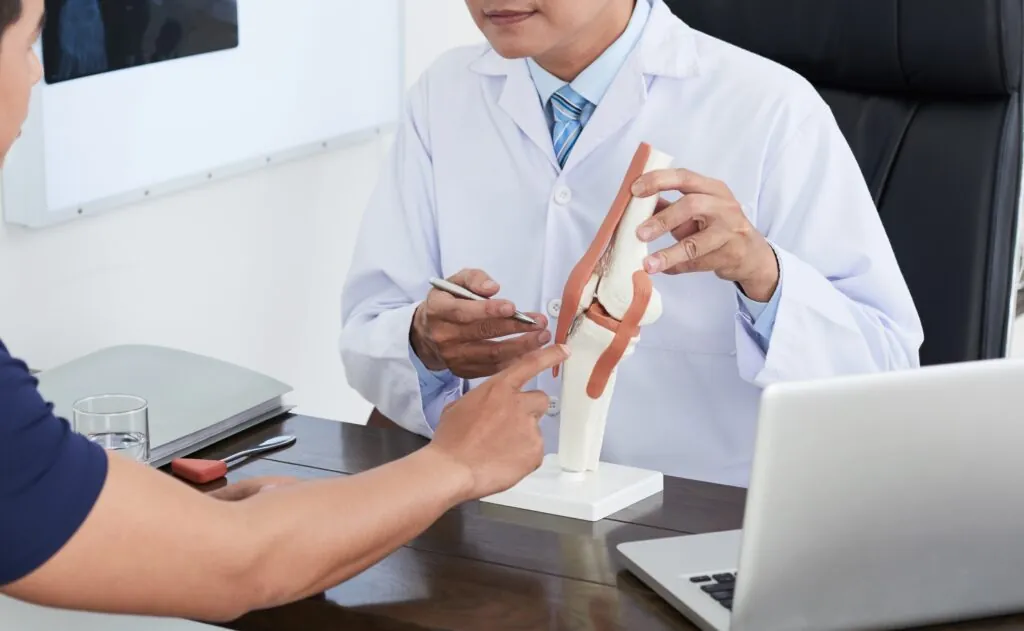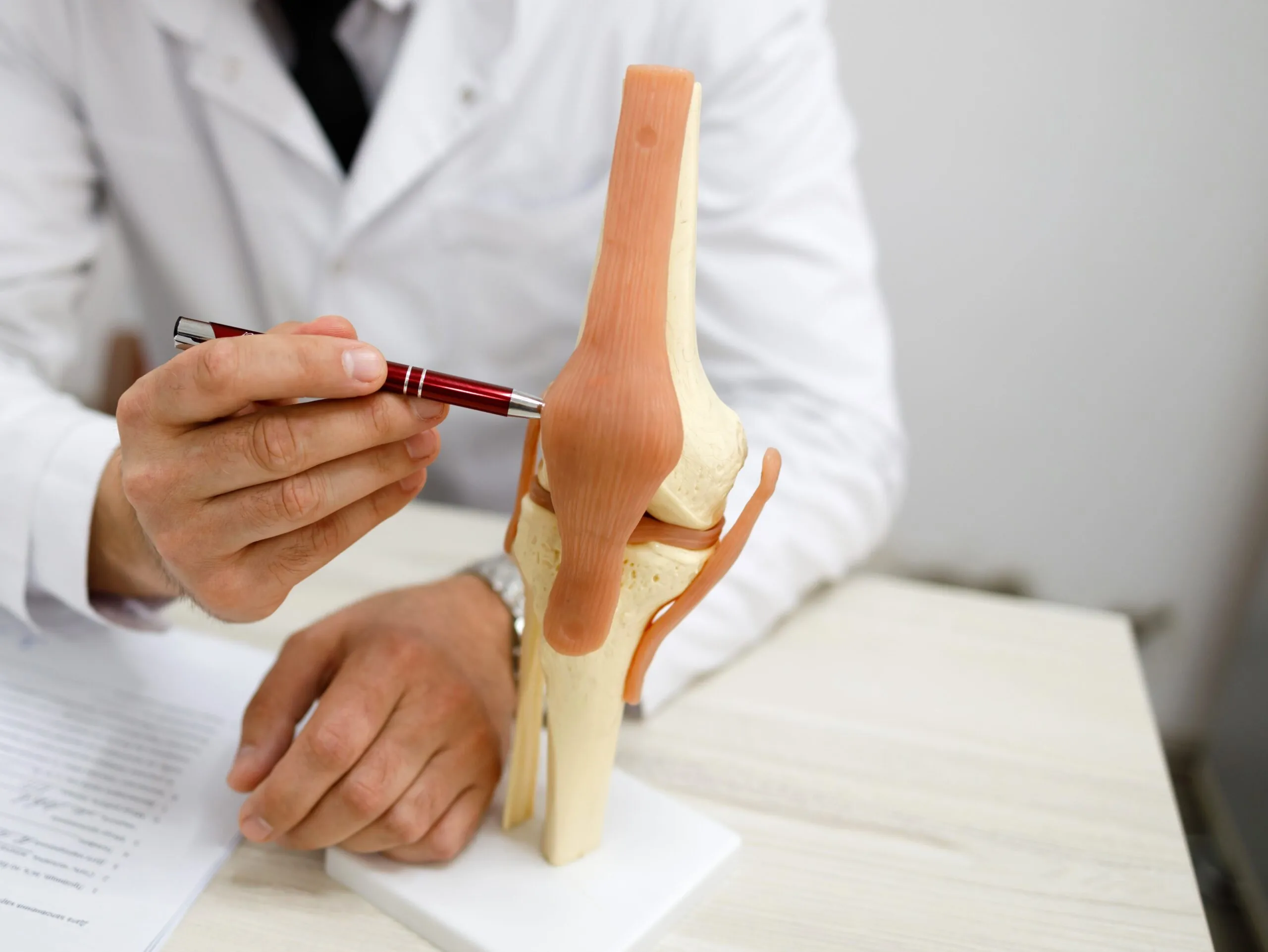
Selecting the right knee specialist determines your treatment path, recovery timeline, and long-term joint health. Different specialists bring varying expertise in arthroscopy, joint replacement, sports injuries, and degenerative conditions. Your choice shapes whether you receive conservative management, minimally invasive procedures, or major reconstructive surgery.
Knee specialists in Singapore hold different subspecialty training backgrounds. Some focus on sports medicine and arthroscopic techniques, while others specialise in complex joint replacements or trauma reconstruction. Understanding these distinctions helps match your specific condition with the appropriate expertise.
The questions you ask during initial consultations reveal information about treatment philosophy, surgical volumes, and expected outcomes. This knowledge enables you to compare options objectively and select a specialist whose approach aligns with your goals and lifestyle requirements.
Qualifications and Training Background
MOH specialist registration represents the baseline requirement for practising orthopaedic surgery in Singapore. Beyond this foundation, subspecialty fellowship training distinguishes knee specialists by their focused expertise. Fellowships in sports medicine emphasise arthroscopic techniques and ligament reconstruction, while arthroplasty fellowships concentrate on joint replacement procedures.
International training exposure often indicates familiarity with diverse surgical techniques and treatment protocols. Specialists who completed fellowships at high-volume centres typically encounter rare complications and complex cases that enhance their problem-solving abilities. This experience proves valuable when managing challenging presentations or revision surgeries.
Hospital affiliations matter because surgical outcomes correlate with institutional resources and support systems. Major restructured hospitals maintain dedicated joint replacement units with specialised nursing staff, physiotherapy protocols, and infection control measures. Private hospital affiliations offer different advantages, including scheduling flexibility and personalised care environments.
Professional memberships in organisations like the Singapore Orthopaedic Association or international societies demonstrate ongoing engagement with evolving treatment standards. Active participation through conference presentations or published research indicates commitment to advancing clinical knowledge beyond routine practice.
Treatment Approaches and Surgical Volume
Annual surgical volumes provide objective data about a specialist’s active practice. Knee replacement surgeons performing over 50 procedures yearly maintain technical proficiency and encounter diverse anatomical variations. For arthroscopic procedures, regular case volumes ensure smooth technique and reduced operative time.
Ask directly about the specialist’s preferred surgical techniques for your condition. Modern knee replacement options include conventional, computer-assisted, and robotic-assisted approaches. Each method offers specific advantages, and your specialist should explain their rationale for recommending particular techniques based on your anatomy and functional goals.
Conservative treatment integration reveals a comprehensive care philosophy. Specialists who exhaust non-surgical options through structured physiotherapy, injection therapies, and activity modification demonstrate patient-centred decision-making. This approach is particularly beneficial for younger patients or those with mild to moderate arthritis.
Revision surgery experience becomes relevant if you’ve had previous knee procedures. Revision cases require planning, specialised implants, and modified surgical techniques. Specialists who regularly perform revision surgeries develop expertise in managing bone loss, instability, and infection.
Technology and Surgical Techniques
Computer-assisted navigation systems improve implant positioning accuracy during knee replacement surgery. These systems provide real-time feedback about bone cuts and implant alignment, potentially improving long-term prosthesis survival. Ask whether your specialist uses navigation and their specific protocols for patient selection.
Robotic-assisted surgery is a newer technology that enables precise bone preparation and soft-tissue balancing. While not universally necessary, robotic platforms may benefit patients with complex deformities or those requiring accurate implant positioning. Understanding your specialist’s experience with robotic systems helps set realistic expectations about surgical planning and outcomes.
Minimally invasive surgical approaches reduce tissue trauma through smaller incisions and muscle-sparing techniques. These methods can accelerate recovery but require specialised training and careful patient selection. Your specialist should explain whether you’re a candidate for minimally invasive approaches based on your body habitus and knee pathology.
Arthroscopic capabilities vary among specialists. Procedures such as cartilage restoration, meniscal transplantation, or complex ligament reconstruction require specialised skills and equipment. Specialists performing these procedures maintain relationships with tissue banks and use sophisticated implant systems.
Recovery Protocols and Rehabilitation
Post-operative rehabilitation protocols significantly impact functional recovery. Modern accelerated rehabilitation encourages immediate weight-bearing and rapid mobility progression after most knee procedures. Your specialist should outline specific milestones for walking, stair climbing, and returning to activities.
Pain management strategies have evolved beyond traditional medications. Multimodal approaches combining regional blocks, local infiltration, and oral medications minimise narcotic requirements. Ask about specific pain protocols and expected levels of discomfort during the recovery phases.
Physical therapy integration starts before surgery through “prehabilitation” programs. These protocols strengthen surrounding muscles and optimise the range of motion before procedures. Post-operative therapy frequency, duration, and progression criteria should be clearly defined in your treatment plan.
Return-to-sport timelines vary based on procedures and individual factors. ACL reconstruction typically requires 9-12 months before returning to cutting sports, while knee replacement patients may resume low-impact activities within 3-6 months. Your specialist should provide realistic timelines based on your specific goals and surgical procedure.
Communication and Accessibility
Response time for questions and concerns reflects practice organisation and patient care philosophy. Well-structured practices maintain systems for addressing urgent issues outside regular clinic hours. Ask about communication protocols for post-operative concerns or unexpected symptoms.
Clinic coordination encompasses appointment scheduling, ordering investigations, and surgical booking. Efficient administrative systems minimise delays and ensure smooth progression through treatment pathways. Observe how staff handle your initial inquiries as an indicator of overall practice management.
Openness to a second opinion demonstrates professional confidence and patient-centred care. Reputable specialists encourage seeking additional perspectives for major surgical decisions. They should willingly share imaging and clinical findings with other physicians you choose to consult.
Follow-up scheduling patterns indicate long-term commitment to patient outcomes. Knee replacement patients typically require surveillance at specific intervals to monitor implant function and identify potential complications early. Your specialist should outline the expected frequency and duration of follow-up.
Financial Considerations
Surgical fee transparency enables informed financial planning. Comprehensive quotes should itemise surgeon fees, facility charges, implant costs, and anaesthesia fees. Understanding fee structures helps compare total treatment costs across different specialists and facilities.
✅ Quick Tip
Request detailed financial counseling before surgery to understand coverage gaps and out-of-pocket expenses. Many hospitals offer interest-free installment plans for surgical procedures.
Package inclusions vary significantly between providers. Some specialists offer bundled packages covering surgery, hospitalisation, and initial follow-up visits. Others bill components separately, potentially resulting in unexpected charges. Clarify precisely what each quoted fee covers.
Medisave utilisation for knee procedures follows MOH guidelines with specific claim limits. Surgical fees exceeding Medisave limits require alternative payment arrangements. Your specialist’s clinic should provide Medisave claim estimates based on your procedure type.
What Our Orthopaedic Surgeon Says
“Patients often focus solely on surgical credentials when choosing a knee specialist. While technical expertise matters immensely, the surgeon-patient relationship equally influences outcomes. During consultations, assess whether the specialist listens to your concerns, clearly explains options, and respects your treatment preferences.
The ‘right’ specialist for one patient may differ from that of another. Athletes requiring ACL reconstruction benefit from sports medicine specialists who understand the demands of return-to-play. Elderly patients with severe arthritis need joint replacement surgeons experienced in managing medical comorbidities.
Don’t hesitate to ask specific questions about complication rates, revision frequencies, and functional outcomes. Experienced specialists welcome these discussions and provide honest assessments about expected results. If a surgeon promises unrealistic outcomes or dismisses valid concerns, consider seeking alternative opinions.”
Putting This Into Practice
- Schedule consultations with multiple specialists to compare approaches and treatment philosophies. Prepare a written list of your symptoms, functional limitations, and treatment goals to ensure consistent information sharing across consultations.
- Review each specialist’s credentials through the Singapore Medical Council’s website to verify registration status and any disciplinary history. Cross-reference hospital affiliations to understand where surgical procedures would occur.
- Bring complete imaging studies and previous medical records to each consultation. Specialists can provide more accurate assessments when reviewing actual films rather than reports alone.
- Document each specialist’s recommendations, including proposed procedures, alternative options, and expected outcomes. This written record facilitates objective comparison when making final decisions.
- Involve family members or trusted friends in consultation visits. They may remember details you miss and help evaluate communication style and clinic environment.
When to Seek Professional Help
- Knee pain persists beyond several weeks despite rest and basic treatments
- Swelling that doesn’t resolve with elevation and ice application
- Mechanical symptoms like locking, catching, or giving way during activities
- Progressive difficulty with daily activities like climbing stairs or rising from chairs
- Previous knee injury with ongoing instability or functional limitations
- Failed conservative treatments, including physiotherapy and injections
- Visible deformity or significant leg length discrepancy
- Night pain disrupting sleep patterns
Commonly Asked Questions
How many knee surgeries should a specialist perform annually?
High-volume surgeons typically perform 50-100 knee replacements annually, while arthroscopic specialists may complete several hundred procedures. Volume correlates with the maintenance of skills and familiarity with potential complications.
Should I choose a specialist who operates at a public or private hospital?
Both settings offer quality care with different advantages. Public hospitals provide comprehensive support services and resident training programs, while private facilities offer scheduling flexibility and personalised amenities. Choose based on your priorities and financial circumstances.
What’s the difference between a general orthopaedic surgeon and a knee specialist?
Knee specialists complete additional fellowship training explicitly focused on knee conditions and surgeries. They maintain narrower practice scopes, allowing greater depth of expertise in complex knee problems than general orthopaedic surgeons who treat multiple body regions.
How important is the surgical technique used for knee replacement?
Surgical technique influences accuracy, recovery time, and potential complications. While conventional techniques remain effective, newer technologies like computer navigation or robotic assistance may improve precision. The surgeon’s experience with their chosen technique matters more than the technology itself.
Can I request a specific surgical approach or implant type?
Most specialists welcome patient input regarding surgical approaches and implant selection. However, final recommendations should align with your anatomy, activity level, and medical factors. Discuss preferences openly while respecting your surgeon’s clinical judgment.
Next Steps
Choosing the right knee specialist requires evaluating credentials, surgical experience, and communication style against your specific needs. Armed with these questions, you can conduct meaningful consultations to identify which specialist best matches your treatment goals and expectations.
If you’re experiencing persistent knee pain, mechanical symptoms, or functional limitations affecting daily activities, our orthopaedic surgeon can provide a comprehensive evaluation and treatment options.