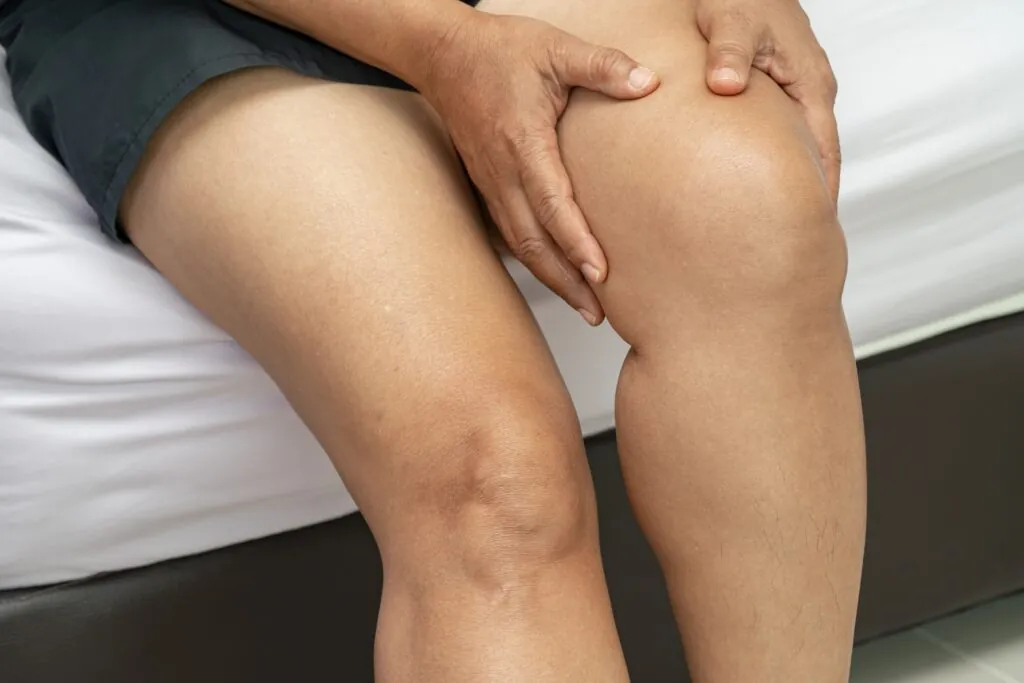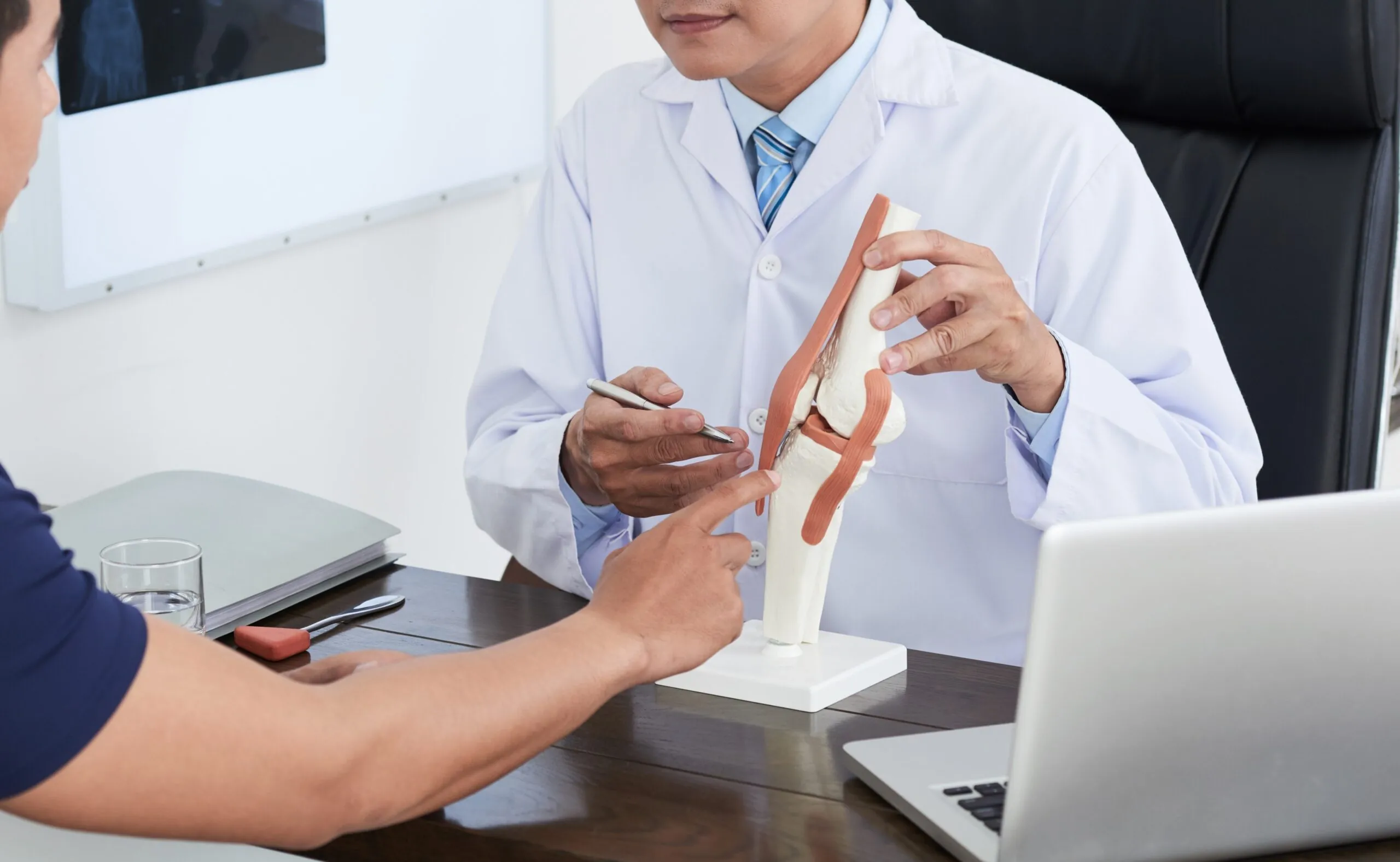
Knee pain responds well to rest, ice, and over-the-counter medications in many cases. When pain persists beyond two weeks despite home treatment, or when specific symptoms appear, orthopaedic evaluation becomes necessary. Understanding the difference between minor discomfort and conditions requiring specialist care helps prevent long-term damage and chronic problems.
The knee joint consists of bones, cartilage, ligaments, and tendons working together to support body weight and enable movement. Damage to any component affects overall function. Home remedies address inflammation and minor strain, but structural problems require professional diagnosis and treatment.
Signs Home Treatment Isn’t Working
Pain lasting more than 2 weeks despite rest may indicate underlying damage. The inflammatory response from minor injuries typically resolves within this timeframe. Continued pain suggests torn ligaments, cartilage damage, or developing arthritis.
Swelling that returns after activity points to ongoing joint irritation. While initial swelling after injury is normal, recurring inflammation indicates the knee cannot handle current activity levels without further damage. This pattern often develops with meniscus tears or early osteoarthritis.
Morning stiffness lasting more than 30 minutes suggests inflammatory arthritis. Standard age-related stiffness improves within minutes of movement. Extended stiffness indicates synovial inflammation requiring medical management.
Pain that wakes you from sleep signals significant joint damage. The body’s natural anti-inflammatory processes typically manage minor discomfort during rest. Night pain often indicates arthritis, infection, or tumour – conditions requiring immediate evaluation.
Mechanical Symptoms Requiring Specialist Care
Knee instability manifests as the joint “giving way” during everyday activities. This buckling sensation indicates ligament damage, particularly to the anterior cruciate ligament (ACL) or medial collateral ligament (MCL). Without proper treatment, instability leads to further cartilage damage and early arthritis.
Locking occurs when the knee cannot fully straighten or bend. A torn meniscus fragment or loose cartilage piece blocks normal joint movement. These mechanical blocks require arthroscopic surgery to remove or repair the damaged tissue.
Catching or clicking sensations during movement suggest cartilage irregularities. While painless clicking may be harmless, painful catching indicates a torn meniscus or damaged articular cartilage rubbing against other structures.
💡 Did You Know?
The knee contains two types of cartilage: meniscus (shock absorber between bones) and articular cartilage (smooth surface covering bone ends). Damage to either type causes different symptoms and requires specific treatments.
Red Flag Symptoms
Sudden severe pain with immediate swelling indicates acute injury requiring urgent care. ACL tears, patellar dislocations, and fractures present this way. Delaying treatment increases complications and affects recovery outcomes.
Visible deformity means bone displacement or severe soft tissue damage. Any change in normal knee contour requires immediate orthopaedic evaluation to prevent permanent damage.
Inability to bear weight suggests a fracture, a severe ligament tear, or a joint infection. Walking ability serves as a basic functional test – complete inability indicates significant structural damage.
Fever with knee pain and swelling indicates septic arthritis until proven otherwise. Joint infections destroy cartilage rapidly and require emergency treatment with antibiotics and surgical drainage.
Numbness or tingling below the knee suggests nerve or vascular injury. These symptoms accompanying knee trauma require immediate evaluation to prevent permanent complications.
Chronic Conditions Needing Specialist Management
Osteoarthritis develops gradually as cartilage wears away. Early symptoms include stiffness, pain with stairs, and weather-related discomfort. Orthopaedic specialists provide injection therapies, bracing options, and surgical interventions to maintain function.
Rheumatoid arthritis affects multiple joints symmetrically. The knee shows warmth, swelling, and morning stiffness. Early treatment with disease-modifying medications prevents joint destruction.
Patellofemoral pain syndrome causes anterior knee pain, especially with stairs or prolonged sitting. While often managed conservatively, persistent symptoms require biomechanical assessment and specialised physical therapy protocols.
⚠️ Important Note
Delaying treatment for mechanical knee problems often leads to secondary damage. A torn meniscus, for example, can damage surrounding cartilage if left untreated, converting a simple problem into complex arthritis.
What Happens During an Orthopaedic Consultation
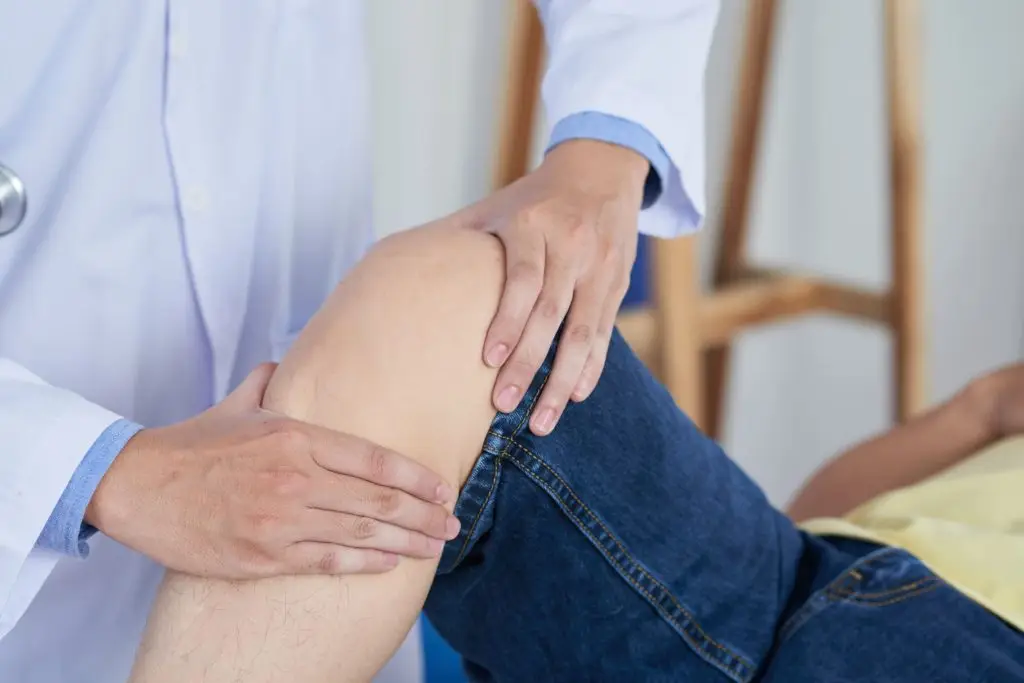
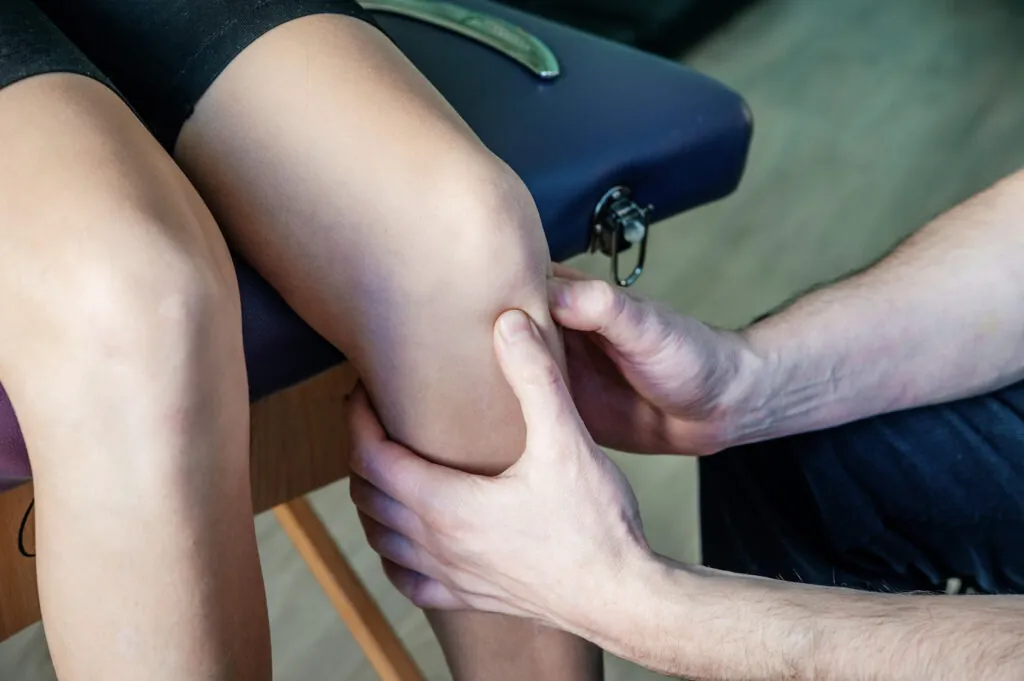
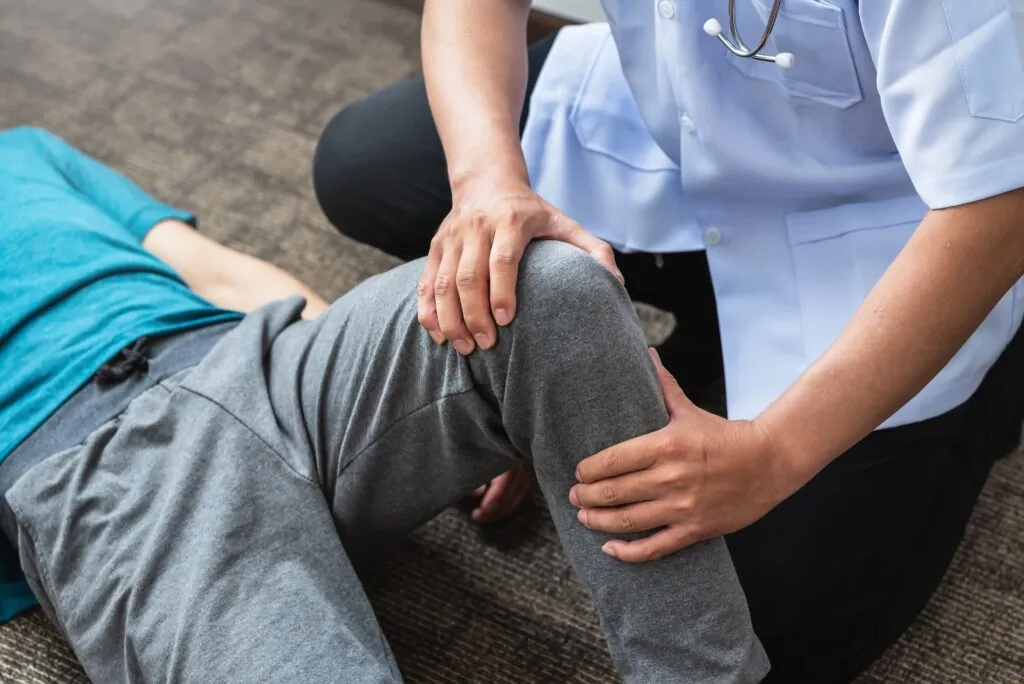
Physical examination reveals specific injury patterns through specialised tests. The Lachman test checks ACL integrity, McMurray’s test evaluates meniscus tears, and stress tests assess collateral ligaments. Each test provides information about different structures.
X-rays show bone alignment, joint space narrowing, and calcium deposits. While cartilage doesn’t appear on X-rays, joint space width indicates cartilage thickness. Bone spurs and cysts suggest arthritis.
MRI scanning visualises soft tissues, including ligaments, tendons, and cartilage. This detailed imaging guides treatment decisions and surgical planning. Not every knee problem requires an MRI; your specialist determines the need based on examination findings.
Treatment Options Beyond Surgery
Corticosteroid injections reduce inflammation for several months. These injections work well for arthritis flares and bursitis, but don’t reverse structural damage. Frequency limitations prevent overuse.
Hyaluronic acid injections supplement natural joint fluid in arthritic knees. This viscosupplementation improves lubrication and may provide months of relief. Response varies between individuals.
Platelet-rich plasma (PRP) therapy uses concentrated healing factors from your blood. Early evidence suggests benefit for mild arthritis and tendon problems. Treatment protocols continue evolving as research progresses.
Custom knee braces unload damaged compartments and improve stability. Modern designs allow regular activity while protecting healing tissues. Proper fitting ensures effectiveness.
✅ Quick Tip
Keep a symptom diary noting pain levels, triggering activities, and response to treatments. This information helps your orthopaedic specialist identify patterns and optimize treatment plans.
Putting This Into Practice
- Document your symptoms, including timing, location, and aggravating factors. Note which activities cause pain and whether rest provides relief. Record previous injuries and current medications.
- Try appropriate home remedies for 2 weeks before seeking specialist care, unless red-flag symptoms appear. Include rest, ice application, compression, and elevation. Add over-the-counter anti-inflammatories if tolerated.
- Modify activities that aggravate symptoms while maintaining general fitness. Switch from running to swimming or cycling to reduce joint stress while staying active.
- Prepare questions about treatment options, recovery timelines, and activity modifications. Understanding your condition and treatment plan improves outcomes.
- Gather previous imaging studies and medical records related to your knee. Complete treatment history helps avoid redundant tests and speeds diagnosis.
When to Seek Professional Help
- Knee pain persists beyond two weeks despite rest and home treatment
- Swelling that returns with regular daily activities
- Knee instability or buckling during walking
- The locking sensation is preventing the whole knee movement
- Clicking or catching with associated pain
- Visible knee deformity
- Complete inability to bear weight
- Fever accompanying knee pain and swelling
- Numbness or tingling below the knee
- Morning stiffness lasting more than 30 minutes
- Night pain disrupting sleep
Commonly Asked Questions
How do I know if my knee pain is severe?
Serious knee problems present with inability to bear weight, visible deformity, severe swelling within hours of injury, or fever with joint pain. Mechanical symptoms like locking or instability also indicate significant damage requiring specialist evaluation.
Can knee problems heal without surgery?
Many knee conditions respond to non-surgical treatment, including physical therapy, injections, and activity modification. Partial meniscus tears, mild ligament sprains, and early arthritis often improve with conservative management. Your orthopaedic specialist determines the appropriate treatment based on examination and imaging findings.
What’s the difference between an orthopaedic surgeon and a sports medicine doctor?
Orthopaedic surgeons complete surgical training for musculoskeletal conditions. Sports medicine doctors may come from various backgrounds, including family medicine or orthopaedics. Both treat knee problems, but orthopaedic surgeons perform surgery when needed.
Should I get an MRI before seeing a specialist?
Orthopaedic specialists prefer examining patients before ordering imaging. Physical examination findings guide appropriate imaging choices. MRI without examination context may show incidental findings unrelated to your symptoms, potentially leading to unnecessary concern or treatment.
How long should I wait before seeing a specialist for knee pain?
Two weeks of conservative treatment suffices for minor injuries. Immediate evaluation is necessary for severe pain, inability to walk, visible deformity, or signs of infection. Mechanical symptoms like locking or instability warrant prompt specialist consultation regardless of duration.
Next Steps
Persistent knee symptoms despite home treatment indicate the need for professional evaluation. Early diagnosis and appropriate treatment prevent secondary damage and maintain long-term joint health.
If you’re experiencing persistent knee pain, instability, or mechanical symptoms mentioned above, our orthopaedic surgeon can evaluate your condition and discuss treatment options.