What Is a Meniscus Tear?
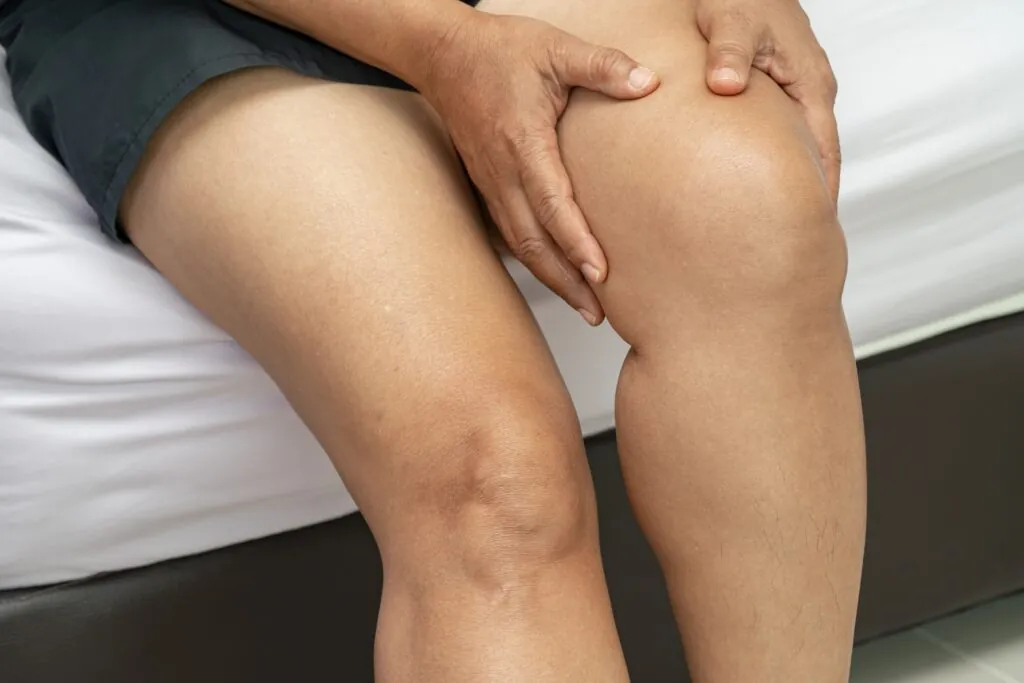
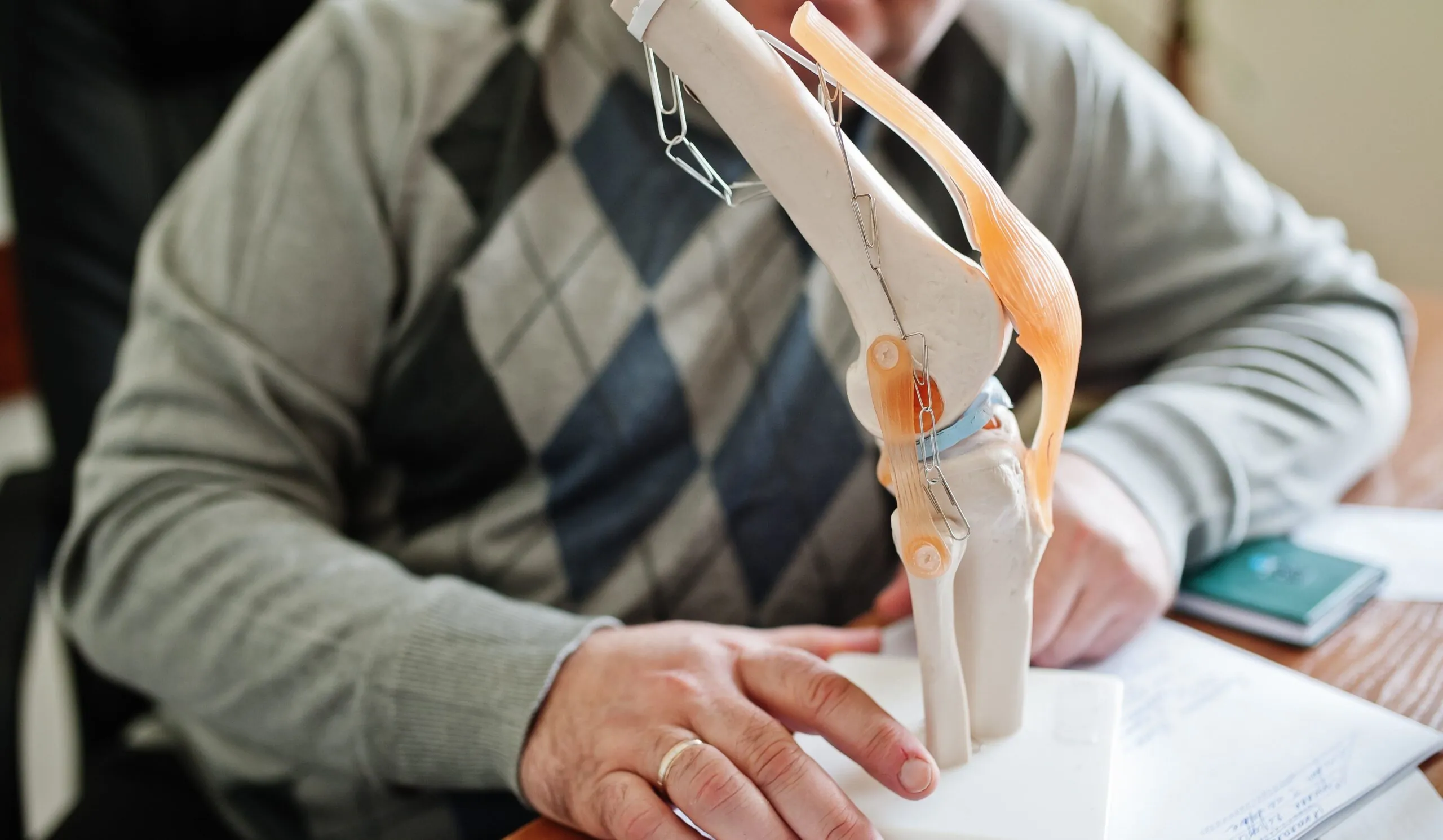
A meniscus tear is a common knee injury involving damage to the C-shaped cartilage that cushions the knee joint. The meniscus serves as a shock absorber between the shinbone and thighbone, providing stability and helping distribute weight across the knee joint. When torn, it can cause pain, swelling, and limited mobility, potentially affecting daily activities and athletic performance. Meniscus injuries vary in severity and location, which influences treatment approaches and recovery outcomes.
Common Symptoms of a Meniscus Tear
Recognising the symptoms of a meniscus tear allows for prompt diagnosis and treatment to prevent further joint damage.
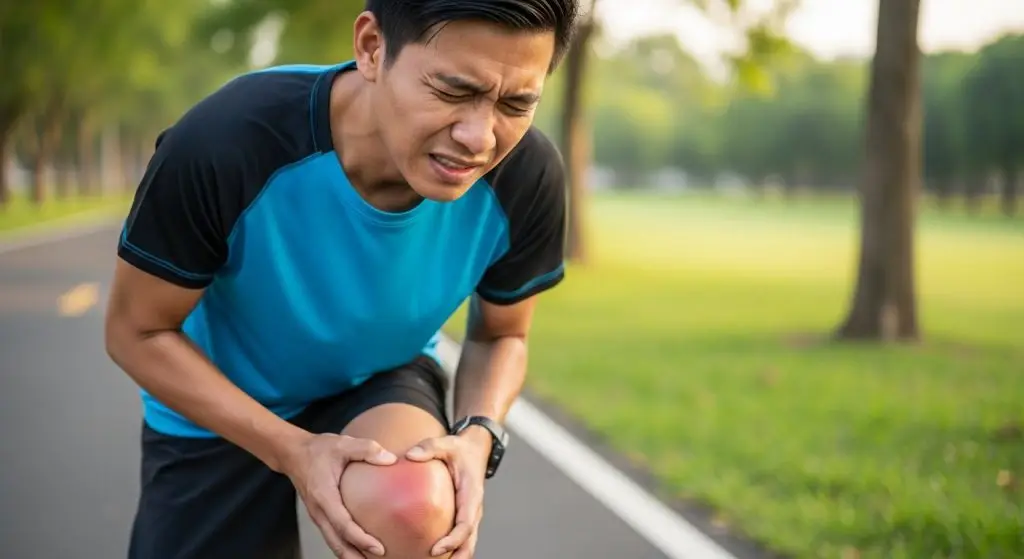
Pain and tenderness: Discomfort typically occurs along the joint line where the meniscus is located. The pain may worsen when twisting or rotating the knee.
Swelling: Inflammation often develops within 24-48 hours after the injury. The knee may feel tight or full.
Catching or locking: The knee may catch, pop, or lock during movement. This happens when a torn fragment interferes with normal joint mechanics.
Limited motion: Decreased range of motion can make it difficult to fully extend or flex the knee. Some patients report feeling that their knee is stuck.
Instability: The knee may feel like it’s giving way or unable to support weight. This is more common with larger tears that affect joint stability.
What Causes a Meniscus Tear?
Multiple factors can contribute to meniscus tears, ranging from acute traumatic injuries to degenerative changes that develop over time.
Sports injuries: Sudden pivoting, cutting, or twisting movements common in football, rugby, and basketball can tear the meniscus. Contact sports add additional risk through direct impact.
Ageing: The meniscus weakens and thins with age. Degenerative tears can occur with minimal force in older adults during ordinary activities like squatting.
Occupation: Jobs requiring frequent kneeling, squatting, or heavy lifting place additional stress on the knee joints. Construction workers, plumbers, and carpet layers face elevated risk.
Previous knee injuries: Prior damage to knee ligaments, especially the anterior cruciate ligament (ACL), increases the likelihood of meniscus tears. The altered biomechanics place additional stress on the meniscus.
Obesity: Excess weight increases pressure on knee joints. Each additional kilogram multiplies the force exerted on the knee during walking and other activities.
How Are Meniscus Tears Diagnosed?
Accurate diagnosis directs treatment selection and helps predict outcomes for patients with suspected meniscus injuries.
Clinical Examination
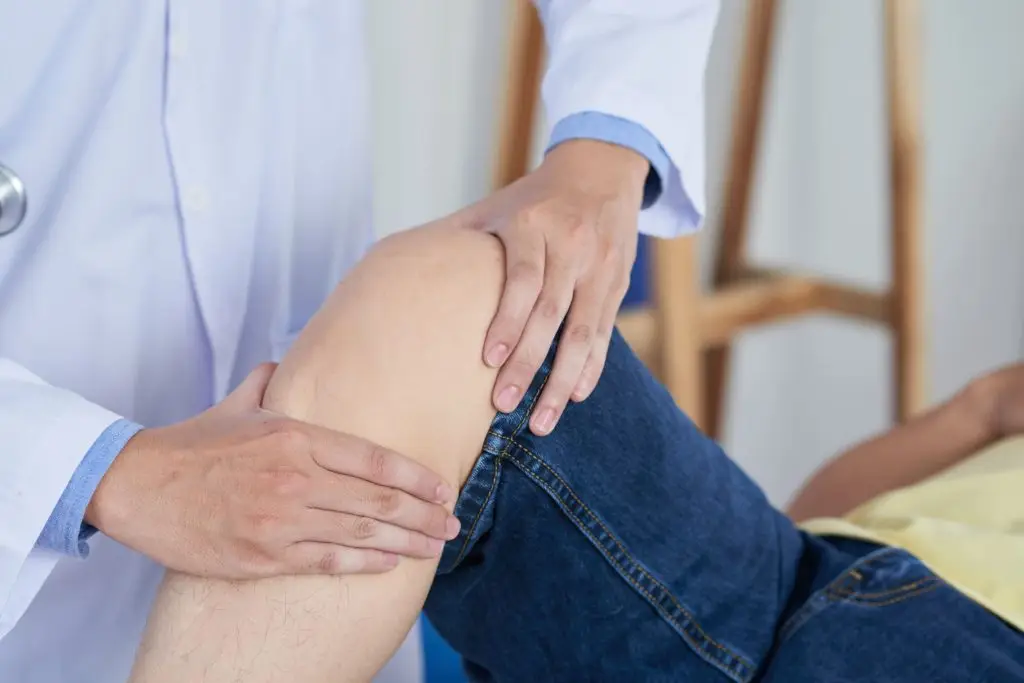
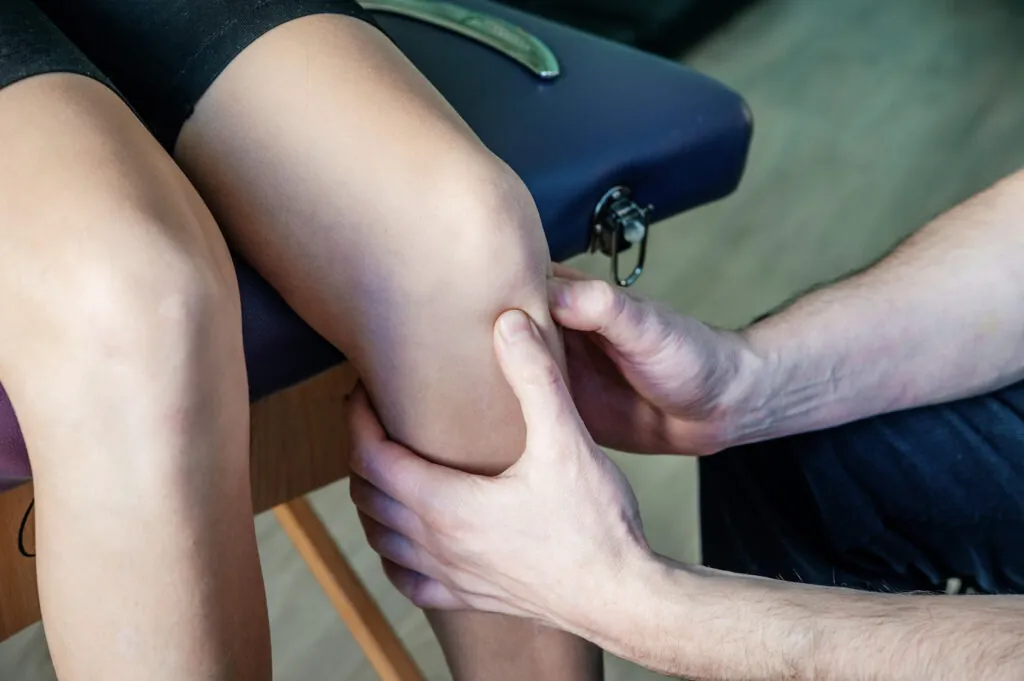
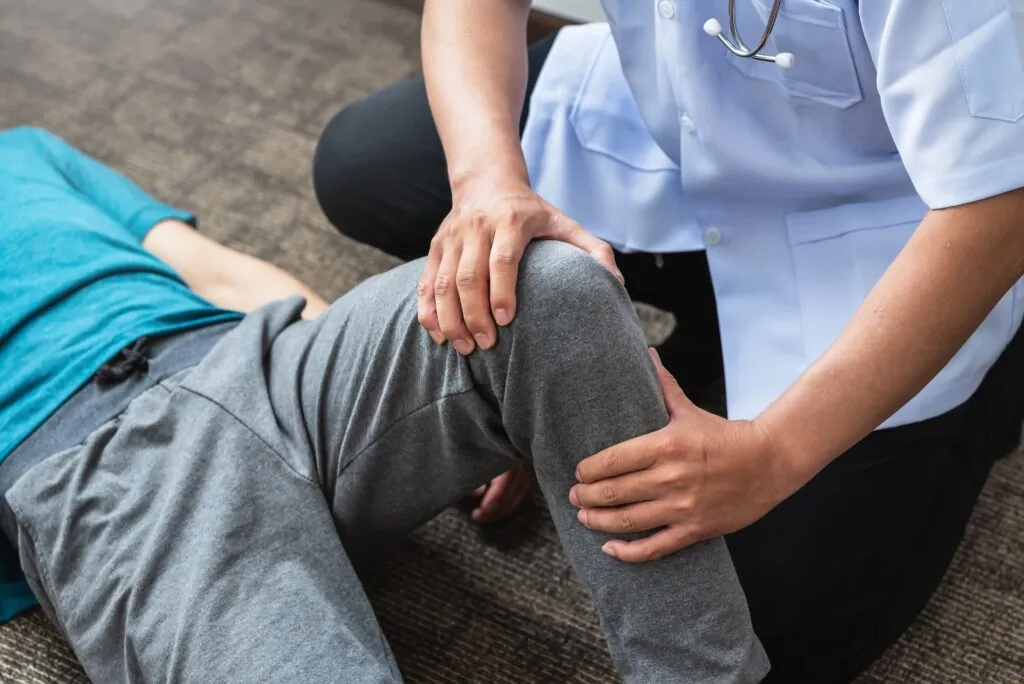
The physical examination includes tests that are designed to replicate symptoms. The McMurray test involves rotating the tibia while flexing and extending the knee to detect clicks or pain. Joint line tenderness, effusion assessment, and range of motion testing provide valuable diagnostic information about the tear’s nature and location.
Magnetic Resonance Imaging (MRI)
MRI provides detailed images of soft tissues, making it the most reliable non-invasive diagnostic tool for meniscus tears. It visualises the tear pattern, location, and extent while revealing associated injuries to cartilage, ligaments, or bone.
Arthroscopy
While primarily a treatment method, diagnostic arthroscopy allows direct visualisation of the meniscus and other intra-articular structures. It permits assessment of tissue quality, tear reparability, and concurrent pathology. Arthroscopy serves as both the definitive diagnostic procedure and the platform for surgical intervention in the same setting.
Ultrasound
Increasingly used as a point-of-care diagnostic tool, ultrasound can detect larger meniscus tears and associated joint effusion. It allows dynamic examination of the knee and comparison with the contralateral side.
Treatment Options for Meniscus Tears
Management of meniscus tears requires individualised approaches based on tear characteristics, patient factors, and functional demands.
Non-Surgical Treatment
RICE Protocol
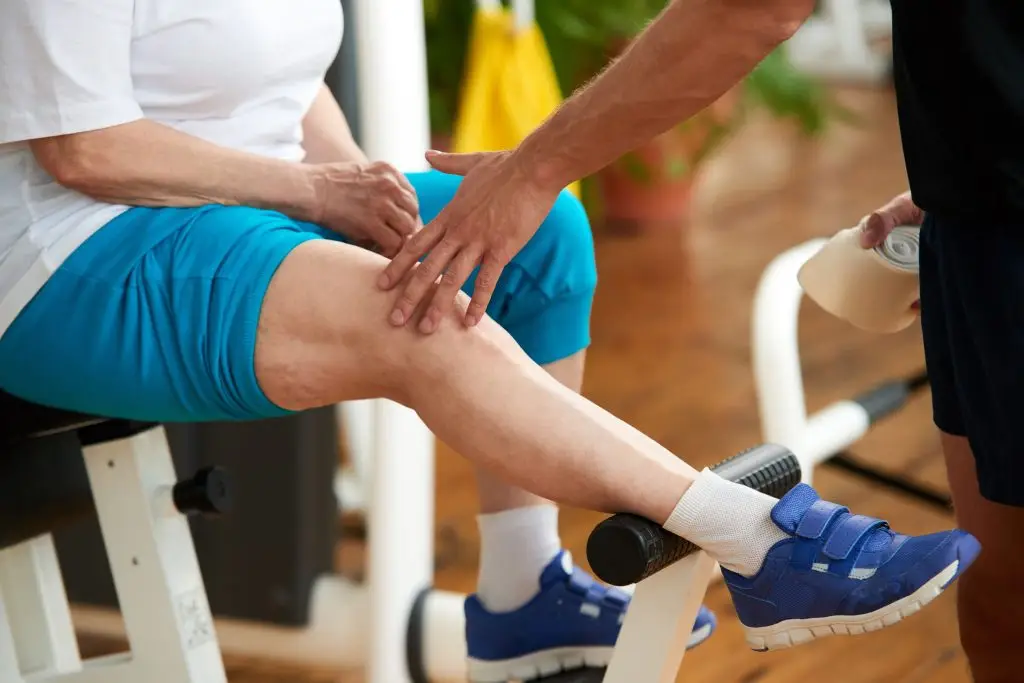
Rest, ice, compression, and elevation help manage acute symptoms following injury. Ice applications for 15-20 minutes several times daily reduce swelling and pain. Compression bandages provide support while limiting fluid accumulation, and elevation assists with reducing inflammatory processes in the early phase.
Physical Therapy
Structured rehabilitation programmes focus on restoring range of motion, strengthening quadriceps and hamstrings, and improving proprioception. Targeted exercises help stabilise the knee joint and compensate for the injured meniscus. Therapists may incorporate modalities like ultrasound or electrical stimulation to reduce pain and promote healing in peripheral tears.
Activity Modification
Avoiding aggravating movements and high-impact activities allows some tears to stabilise. Patients may need to temporarily discontinue pivoting sports and limit deep squatting or kneeling. Cross-training with low-impact activities such as swimming or cycling maintains fitness while protecting the injured meniscus.
Medications
Non-steroidal anti-inflammatory drugs (NSAIDs) help manage pain and reduce inflammation. They may be particularly useful for degenerative tears with an inflammatory component.
Surgical Treatment
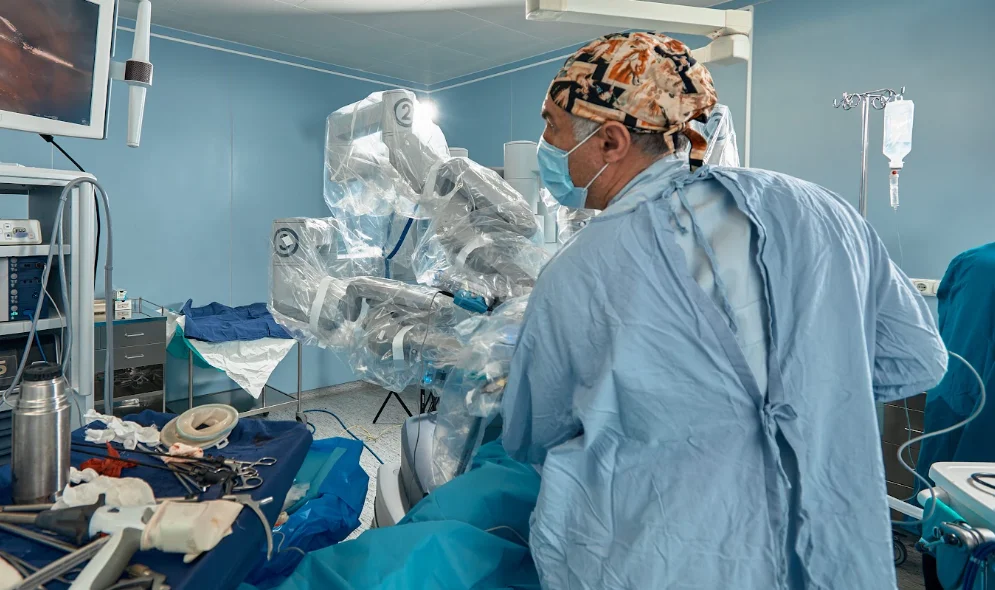
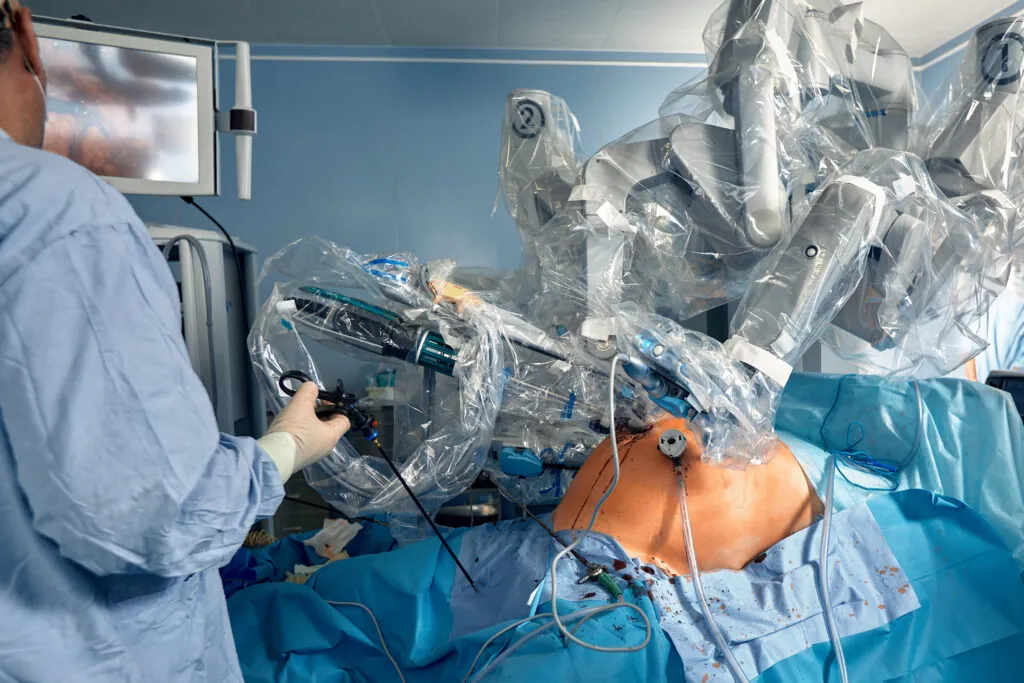
Meniscus Repair
Suturing the torn meniscus helps restore its structure and function, particularly for tears located in the vascularised “red zone”, where healing potential is greater. Advances in all-inside repair techniques use specialised implantable devices that streamline the procedure and reduce operative time. Following repair, a protective rehabilitation programme lasting 4–6 weeks is typically required to support healing and prevent excessive stress on the repaired tissue.
Partial Meniscectomy
For tears in the avascular “white zone”, where natural healing is unlikely, a partial meniscectomy removes the damaged portion of the meniscus while preserving as much healthy tissue as possible. Arthroscopic instruments trim unstable fragments to create a smooth, stable meniscal rim, reducing mechanical irritation in the joint. Recovery is generally quicker than with meniscus repair, with many individuals returning to daily activities within 4–6 weeks.
Prevention and Management
Preventing meniscus injuries involves maintaining appropriate body weight, developing strong thigh muscles, and using proper techniques during sports and physical activities. Regular stretching and strengthening exercises help maintain knee stability and resilience.
For those with existing tears, long-term management includes activity modification, periodic strengthening programmes, and possibly bracing during high-risk activities. Weight management reduces forces across the knee joint, potentially slowing degenerative processes. Low-impact exercise routines and proper footwear provide additional protection. Patients should monitor symptoms and seek re-evaluation if new mechanical symptoms develop, as tear patterns can evolve over time.
Conclusion
Meniscus tears can affect mobility and daily activities, but treatment options, ranging from non-surgical care to surgical repair, help restore function and relieve symptoms. Early diagnosis and appropriate management support knee stability and reduce the risk of further issues. Strengthening the surrounding muscles, maintaining a healthy weight, and using proper movement techniques can aid long-term knee health.
Schedule a consultation today to discuss treatment options and support your knee’s recovery.