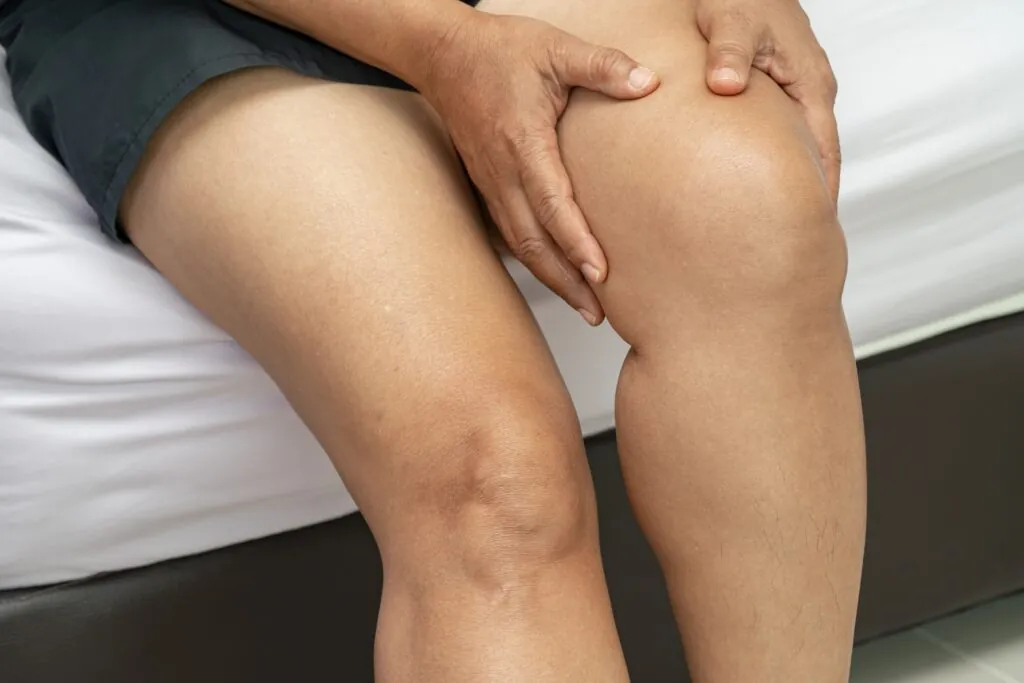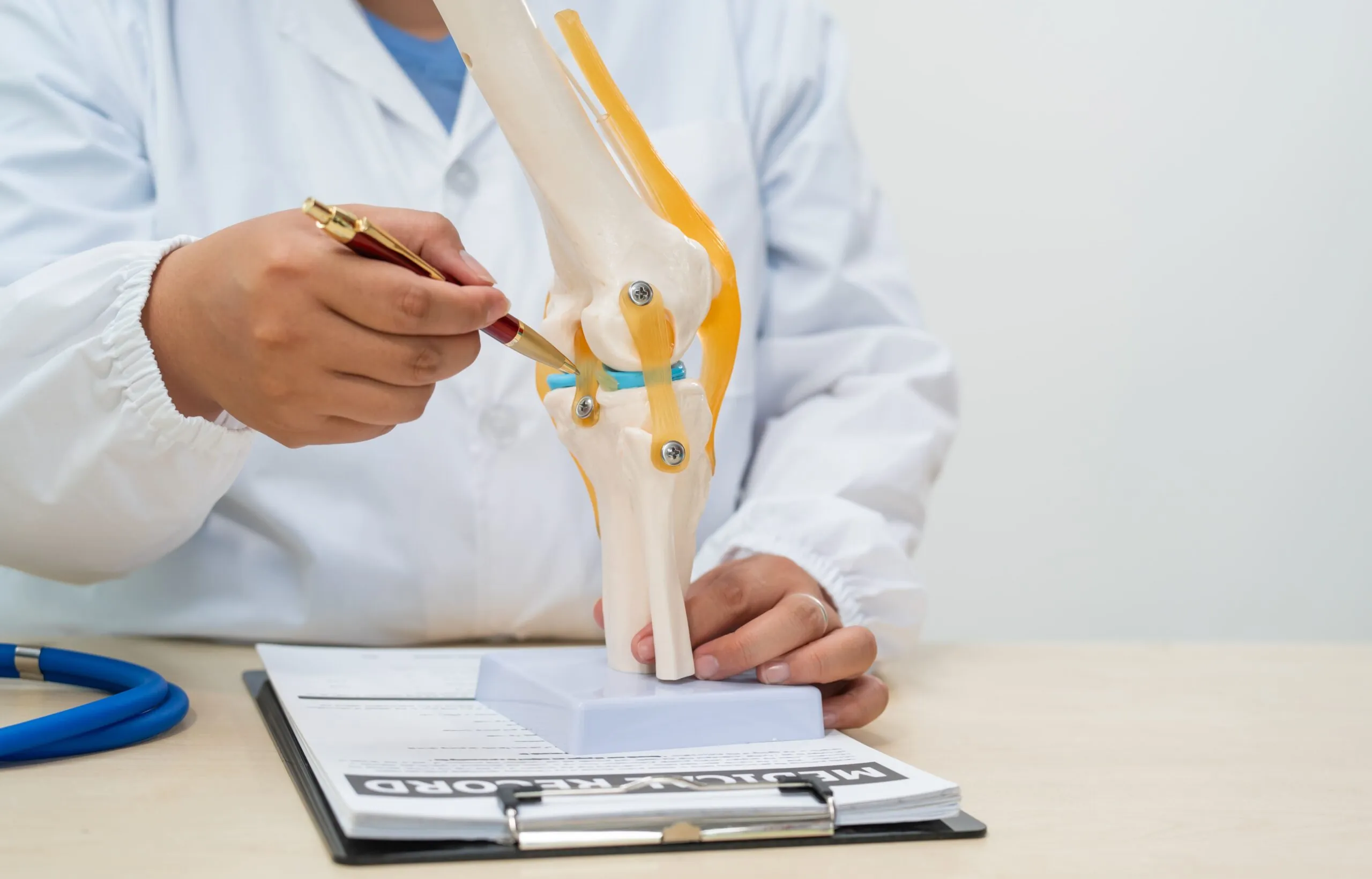
The anterior cruciate ligament (ACL) is a key ligament in the knee that connects the thigh bone (femur) to the shin bone (tibia). It helps stabilise the joint during movement, particularly in activities involving rapid stops, directional changes, or pivoting. ACL injuries are common in sports or high-impact activities and can range from a partial tear, where some fibres of the ligament are damaged, to a complete tear, where the ligament is entirely ruptured. Differentiating between these injuries is essential for deciding on the most suitable treatment.
Partial ACL Tear
A partial ACL tear occurs when some fibres of the ligament are torn, but others remain intact. This allows the knee to retain some degree of stability, although functionality may still be impaired.
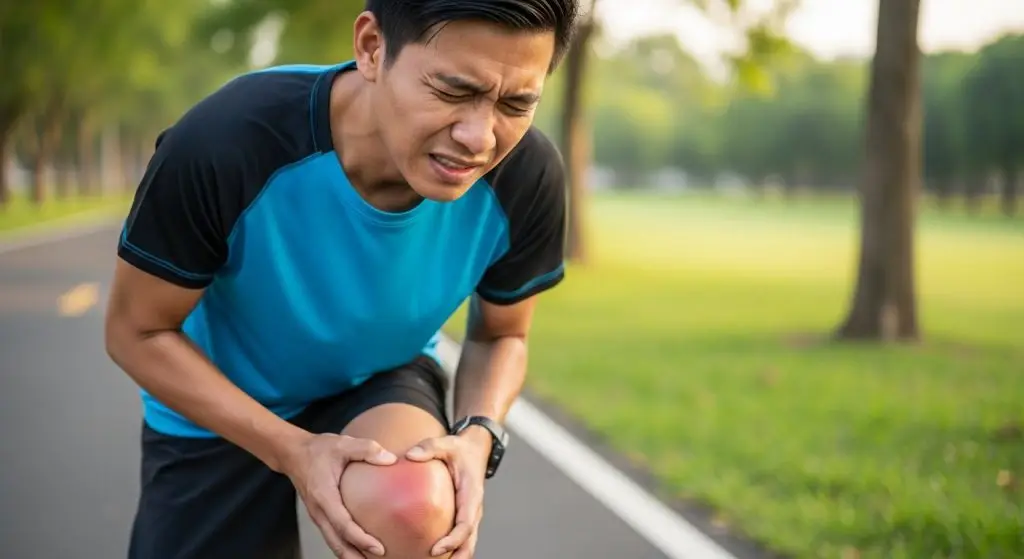
Individuals with a partial tear may experience mild to moderate pain and swelling, along with occasional instability during specific movements, such as twisting or pivoting. Unlike a complete tear, the knee may still support weight, and daily activities can often be managed with minimal discomfort. However, symptoms can vary depending on the extent of the tear, and certain high-demand activities may exacerbate the instability.
Complete ACL Tear
A complete ACL tear involves the total rupture of the ligament, rendering it incapable of stabilising the knee.
This type of injury often occurs during sudden stops, changes in direction, or improper landings. When an injury occurs, people may hear a “popping” sound, which is followed by immediate swelling, severe pain, and significant instability. Weight-bearing activities become difficult, and the knee may feel as if it will give way even during simple movements.
Diagnosing ACL Injuries
Diagnosing ACL injuries involves a combination of clinical evaluation and imaging to determine the type and extent of the tear. Accurate diagnosis is necessary for planning effective treatment.
Physical Examination
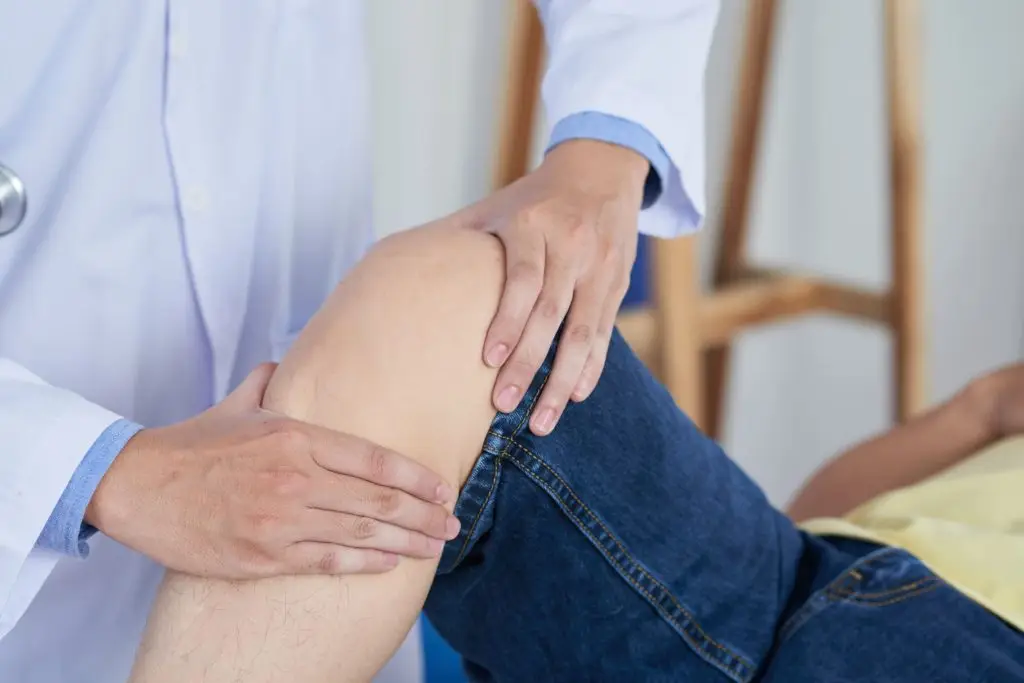
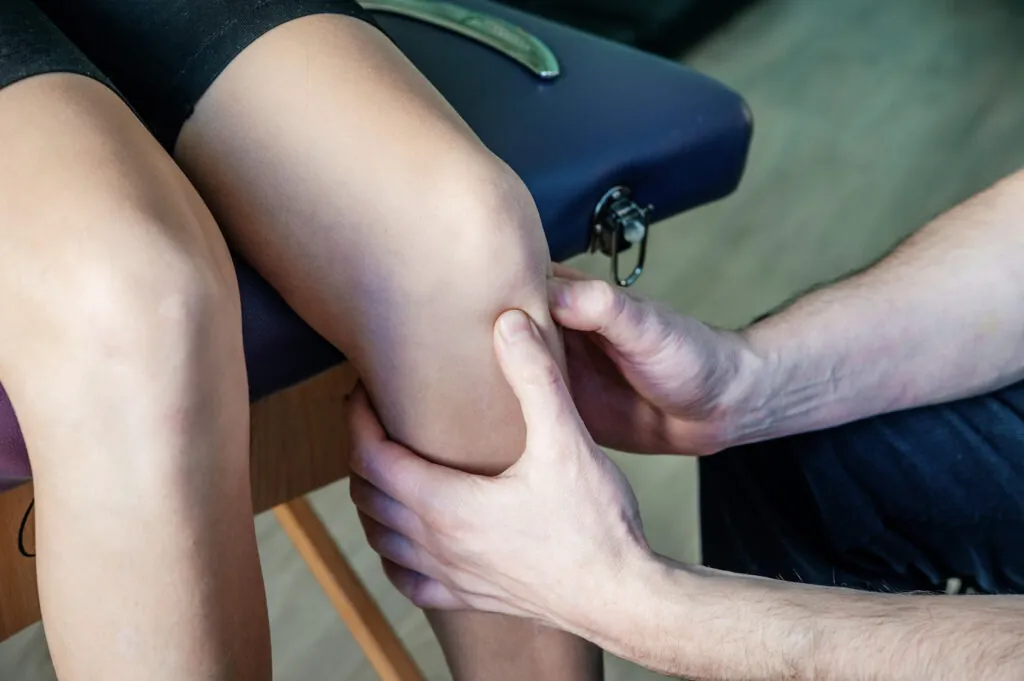
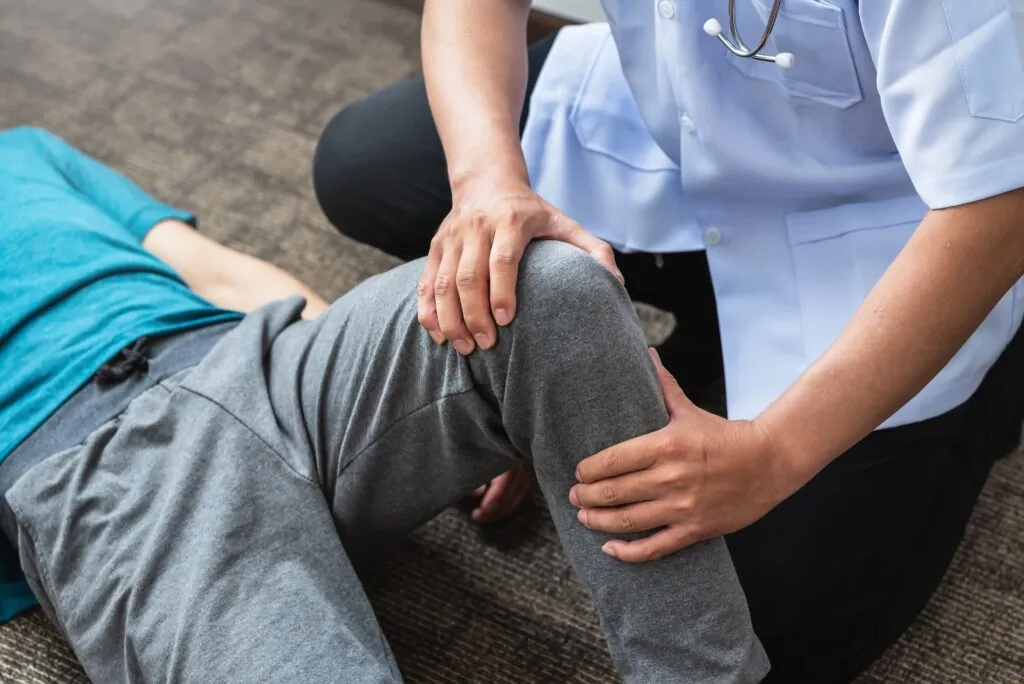
Specialists use tests such as the Lachman test and the pivot shift test to assess knee stability. These tests evaluate how much the tibia moves relative to the femur and help identify any abnormal motion indicative of an ACL injury.
Imaging Techniques (MRI, X-ray)
MRI is a common method for diagnosing ACL injuries. It provides detailed images of the ligament and surrounding structures, allowing the doctor to differentiate between partial and complete tears and identify associated damage, such as meniscus tears or cartilage injuries. X-rays may be used to rule out fractures or other bone injuries that could accompany ligament damage.
Functional Assessment
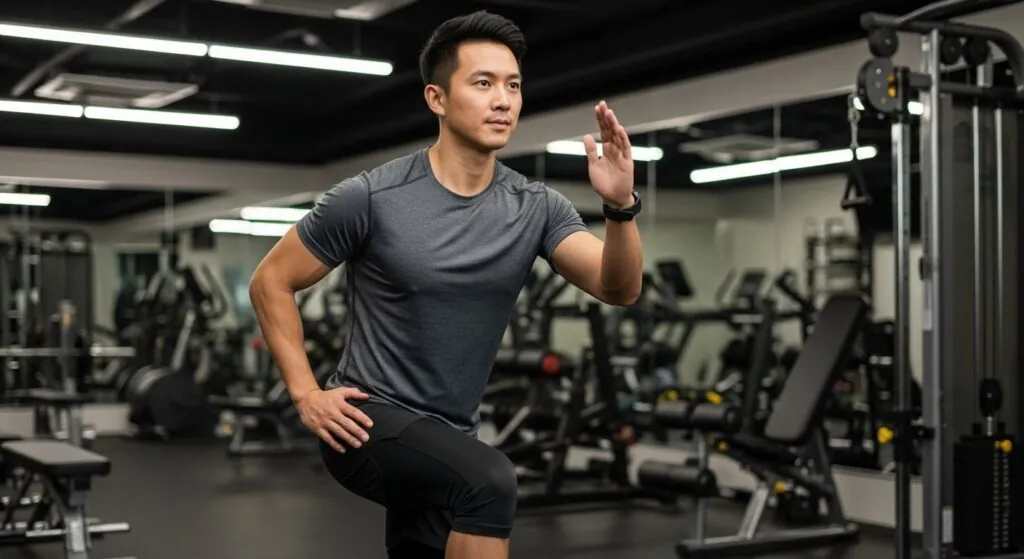
In some cases, a functional assessment may be performed to evaluate how the knee performs during movement. This can help determine whether conservative or surgical treatment is appropriate.
Treatment Options for ACL Injuries
Treatment for ACL injuries depends on the severity of the tear, the patient’s activity level, and overall health.
Non-Surgical Treatment
Non-surgical treatments focus on managing symptoms, improving knee stability, and restoring functionality without invasive procedures. These options are commonly used for partial tears and, in certain cases, complete tears.
RICE Protocol (Rest, Ice, Compression, Elevation)
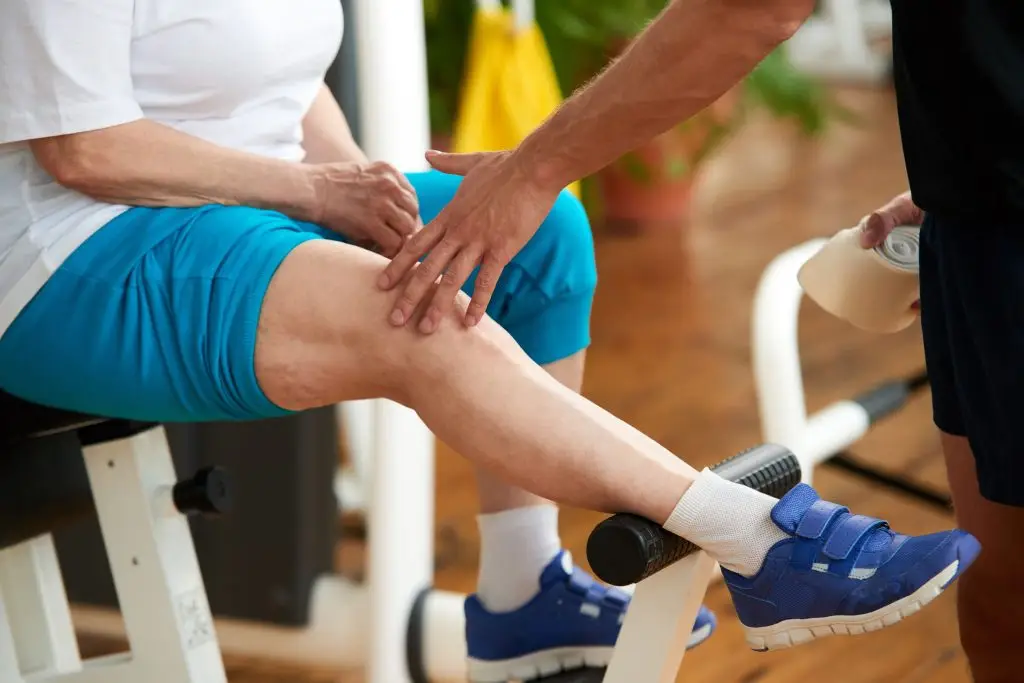
The RICE protocol is the initial approach to managing ACL injuries, particularly in the acute phase. Rest involves avoiding activities that stress the knee, giving the ligament time to heal. Ice packs are applied to the affected area to reduce inflammation and numb pain. Compression with an elastic bandage helps minimise swelling and provides mild joint support. Elevating the injured knee above heart level reduces fluid accumulation and promotes proper circulation, speeding up recovery.
Physiotherapy
Physiotherapy aims to strengthen the muscles around the knee and improve its overall stability. Exercises focus on building strength in the quadriceps, hamstrings, and glutes to compensate for ligament damage. Balance exercises enhance joint control and reduce the risk of further injury. Low-impact activities, such as swimming or cycling, are gradually introduced into the rehabilitation programme to restore functionality without overstressing the knee.
Bracing
Braces provide external support to the knee and are particularly useful during rehabilitation or for those not pursuing surgery. They stabilise the knee during activities that involve twisting, pivoting, or quick directional changes.
Activity Modifications
High-risk movements, such as sudden stops, jumps, or pivots, should be avoided to prevent aggravating the injury. For those with severe instability, assistive devices like walking aids may be recommended to ensure safe mobility during daily tasks. These modifications help protect the knee while allowing individuals to maintain an active lifestyle.
Surgical Treatment
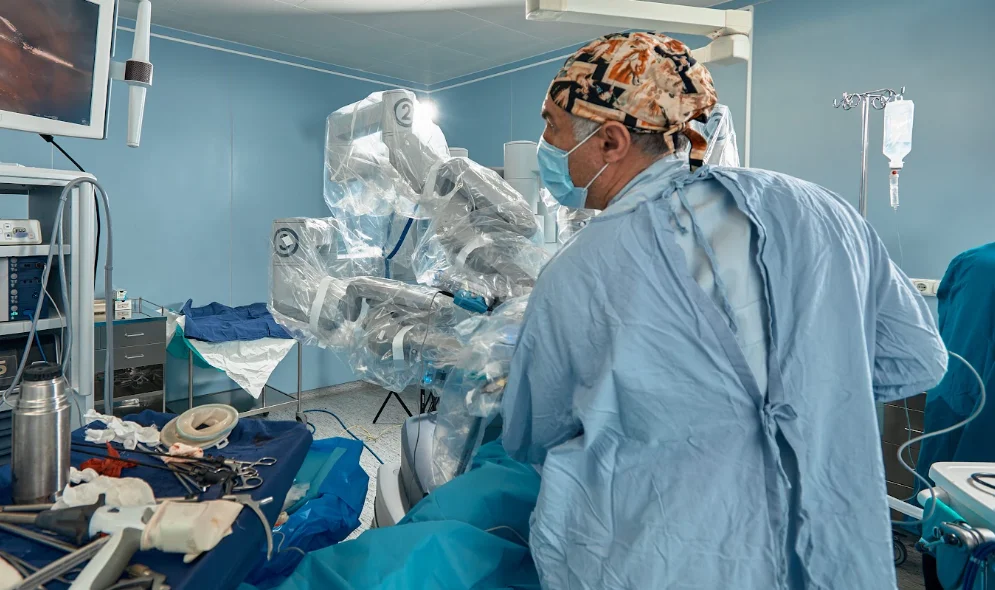
Surgery is recommended for cases where non-surgical treatments fail to restore stability or when individuals aim to return to high-impact activities. Surgery is commonly performed for complete ACL tears and selected partial tears.
Ligament Reconstruction
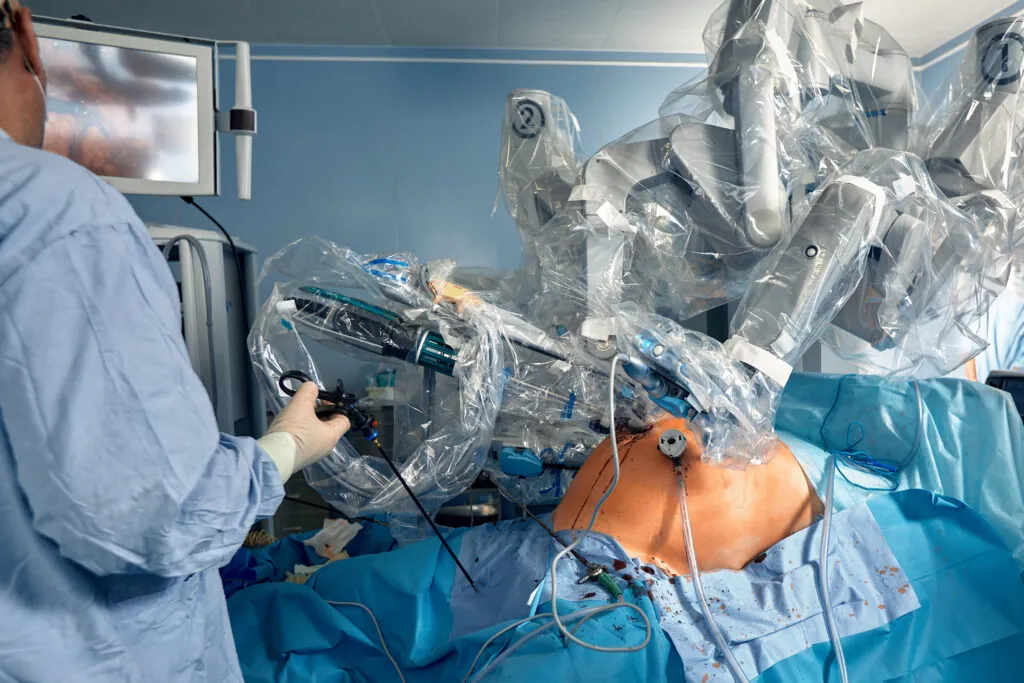
ACL reconstruction surgery replaces the damaged ligament with a graft to restore knee stability and functionality. The graft supports new tissue growth and eventually integrates with the knee joint. If conservative treatments have failed, consulting an ACL specialist in Singapore is the best way to determine if this procedure is right for you.
There are several graft options, including the hamstring tendon, which provides flexibility and durability; the patellar tendon, which offers excellent strength and is often preferred for athletes; and allografts, which use donor tissue for cases where the patient’s tendons are unsuitable for grafting. The procedure is minimally invasive and performed arthroscopically, which reduces recovery time, pain, and the risk of complications.
Recovery Timeline
Recovery from ACL injuries varies depending on the severity of the tear and the treatment approach.
Partial ACL Tear Recovery
Recovery from partial ACL tears is generally quicker. Most individuals can resume daily activities within 6 to 12 weeks with non-surgical treatments like physiotherapy. For those engaged in high-impact activities, full recovery may take 3 to 6 months, depending on the severity of the tear and consistency with rehabilitation.
Complete ACL Tear Recovery
Recovery from complete ACL tears, particularly after surgery, typically takes 9 to 12 months. The first few weeks focus on reducing swelling and regaining basic mobility. Strength training and functional exercises are gradually introduced over the following months. Athletes or those with physically demanding lifestyles may require additional time to safely return to their activities.
Preventing ACL Injuries
Preventing ACL injuries involves a combination of strengthening, flexibility, and technique training. Exercises that target the quadriceps, hamstrings, and glutes help stabilise the knee, while balance and flexibility training enhance joint control during dynamic movements. Proper techniques for jumping, landing, and pivoting reduce stress on the ligament, and maintaining overall fitness lowers the risk of injury during physical activities.
Conclusion
ACL injuries, whether partial or complete, can affect knee stability and mobility. Early diagnosis and treatment, tailored to the severity of the tear, support effective recovery. Non-surgical treatments restore functionality in many cases, while surgical reconstruction addresses more severe injuries. Structured rehabilitation and preventive measures help individuals regain confidence and reduce the risk of further injury.
If you suspect an ACL injury, schedule a consultation today to assess your condition and discuss treatment options.