Running involves repetitive movements that can place considerable strain on the knee joints. Patellofemoral pain syndrome, often referred to as runner’s knee, is a frequent concern for athletes and fitness enthusiasts. This guide explores the condition in depth, detailing its causes, symptoms, diagnosis, treatment options, and prevention strategies to help runners remain active while minimising knee discomfort.
What is Runner’s Knee?
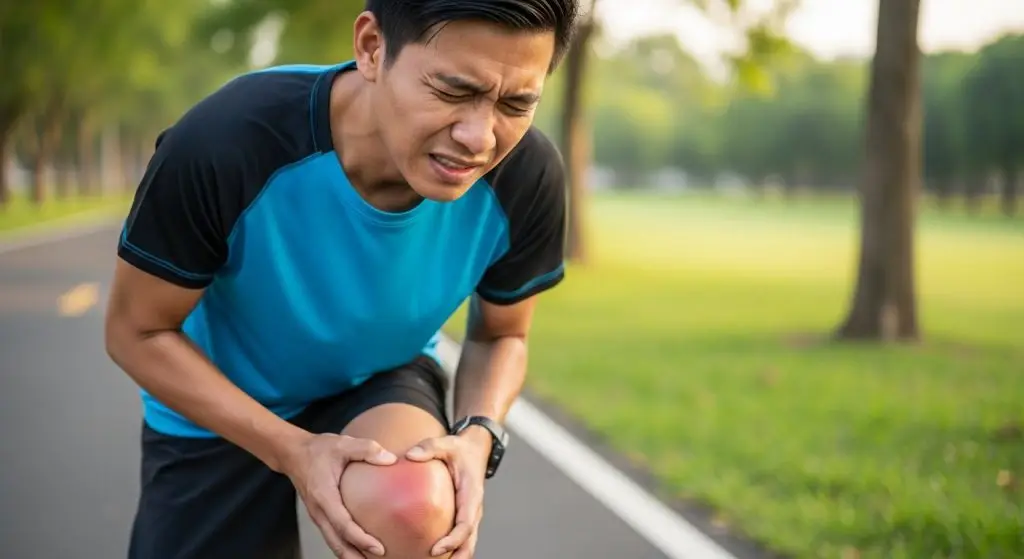
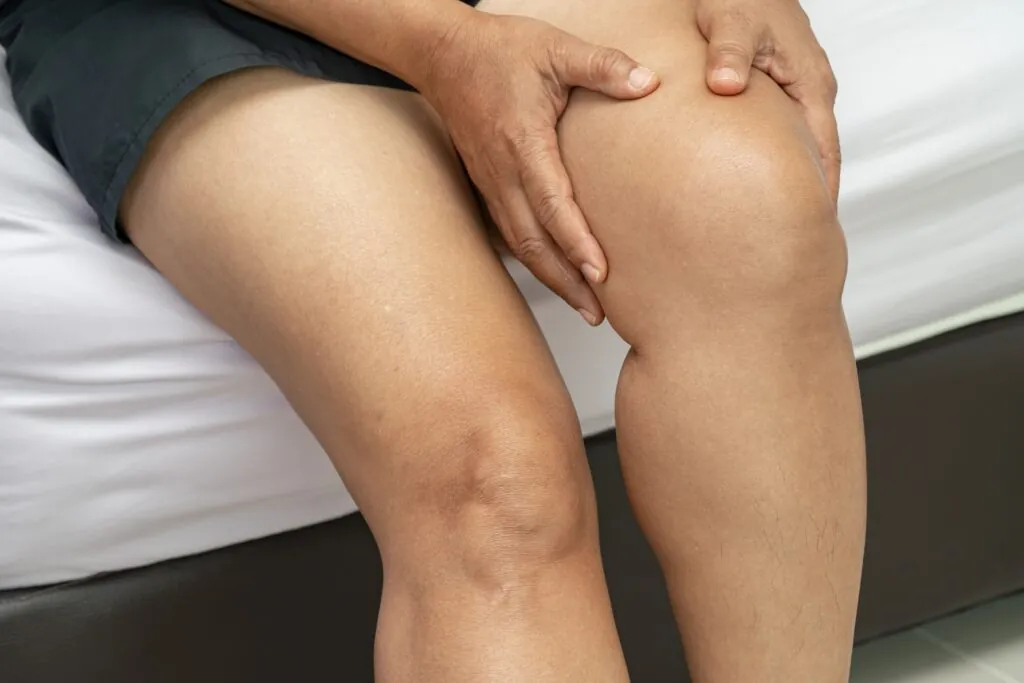
Runner’s knee occurs when the kneecap (patella) experiences excessive or improper stress while moving along the groove in the thigh bone (femur). This misalignment leads to pain around or behind the kneecap, particularly during movements such as running, climbing stairs, or squatting. The condition can arise gradually or in response to overuse or poor biomechanics.
Recognising the Signs and Symptoms
Symptoms of runner’s knee can vary but typically include the following:
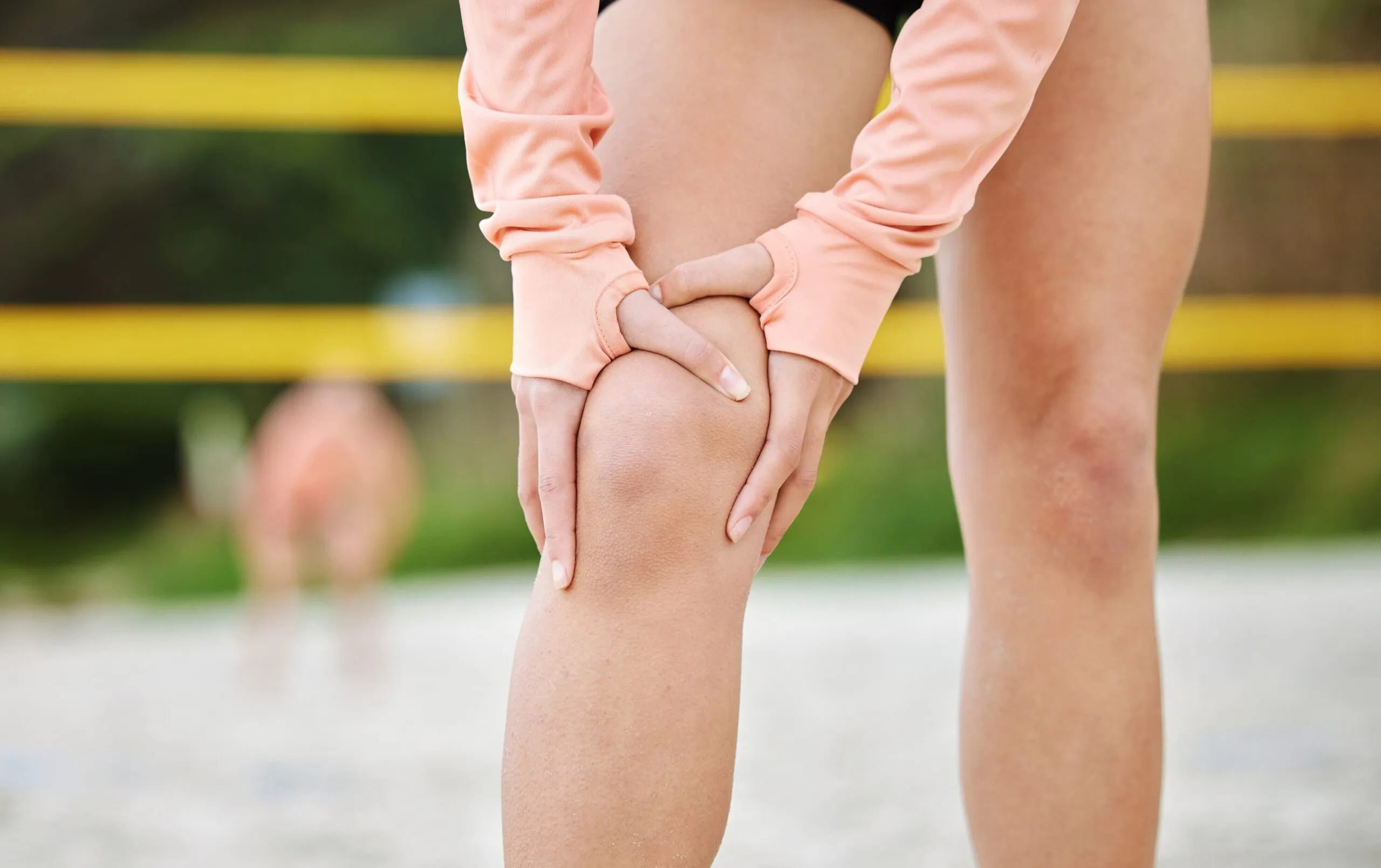
Pain Around the Kneecap: A dull ache or discomfort develops beneath or around the patella, especially during activities that involve repeated knee bending, such as running or ascending stairs.
Grinding Sensation: The knee may produce a grinding, clicking, or popping sensation when bending or straightening the leg.
Pain After Sitting: Discomfort tends to worsen after extended periods of sitting with bent knees, often referred to as the ‘theatre sign’.
Swelling: Mild swelling or puffiness may appear around the kneecap, particularly after physical activity.
Causes of Runner’s Knee
Several underlying factors can contribute to runner’s knee. These include:
Biomechanical Issues: Flat feet, high arches, knock knees, or other alignment abnormalities may disrupt proper tracking of the patella.
Training Errors: Sudden increases in running distance, speed, or intensity can overwhelm the knee structures, leading to inflammation or irritation.
Muscle Imbalances: Weakness in the hip abductors, glutes, or quadriceps, along with tight hamstrings or calves, can compromise knee alignment and stability.
Footwear Problems: Worn-out or unsupportive running shoes fail to absorb impact effectively, increasing stress on the knee joints.
Diagnostic Methods
An accurate diagnosis of runner’s knee is necessary for effective treatment. Healthcare providers utilise a combination of methods to assess the condition.
Physical Examination
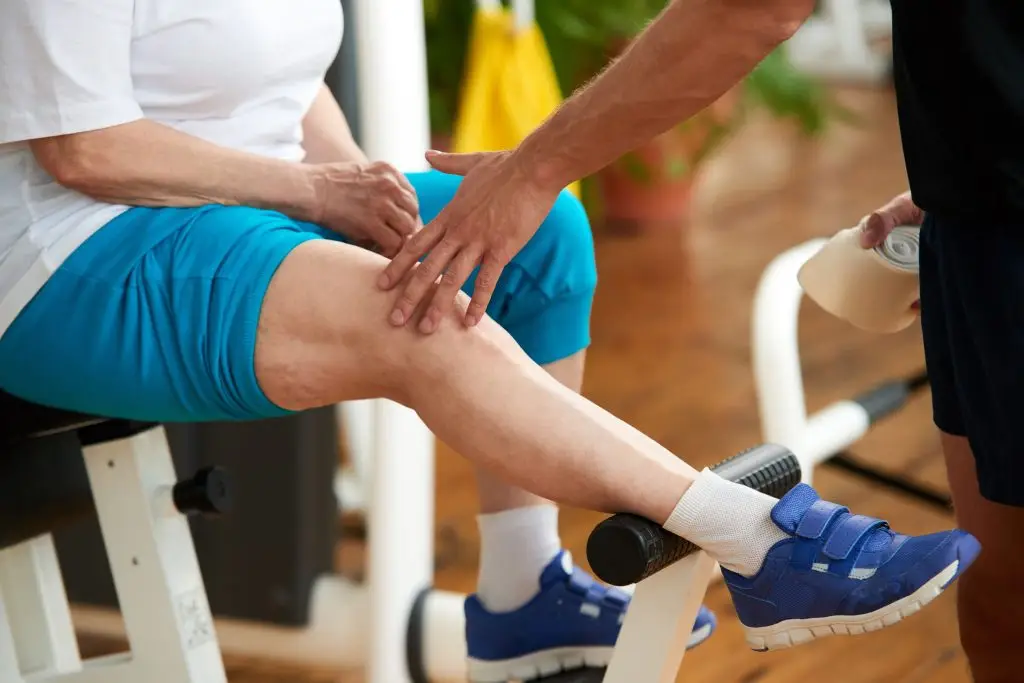
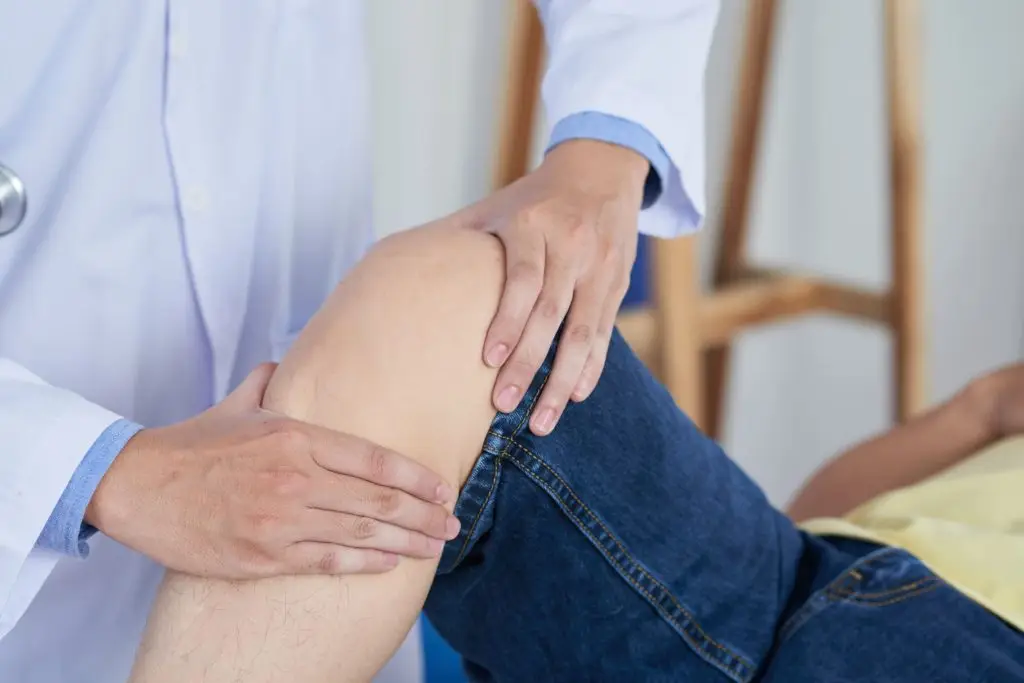
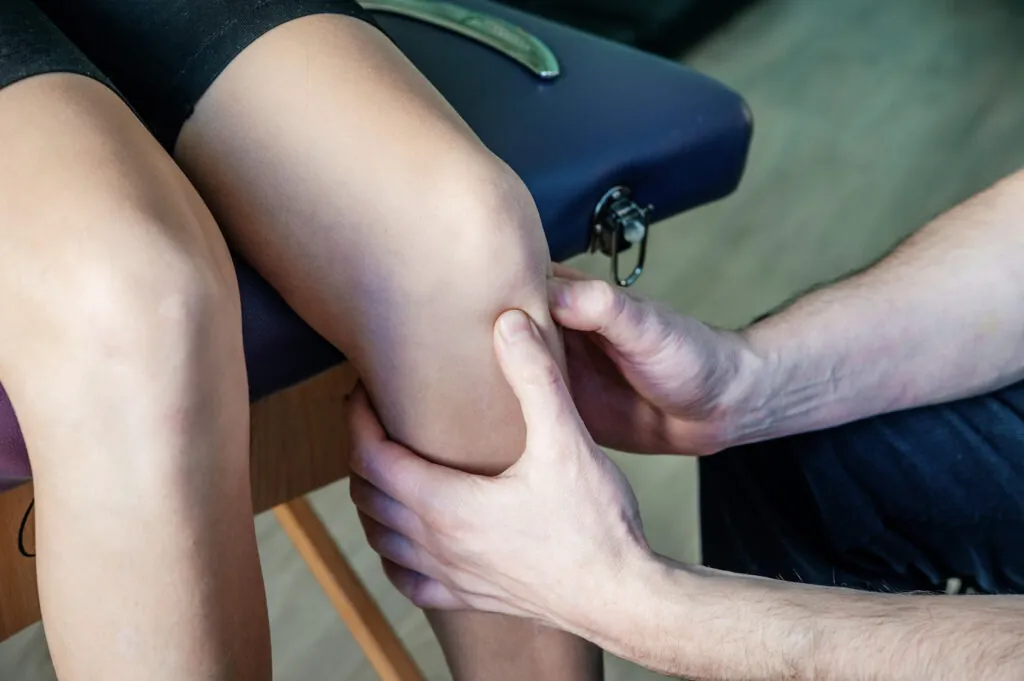
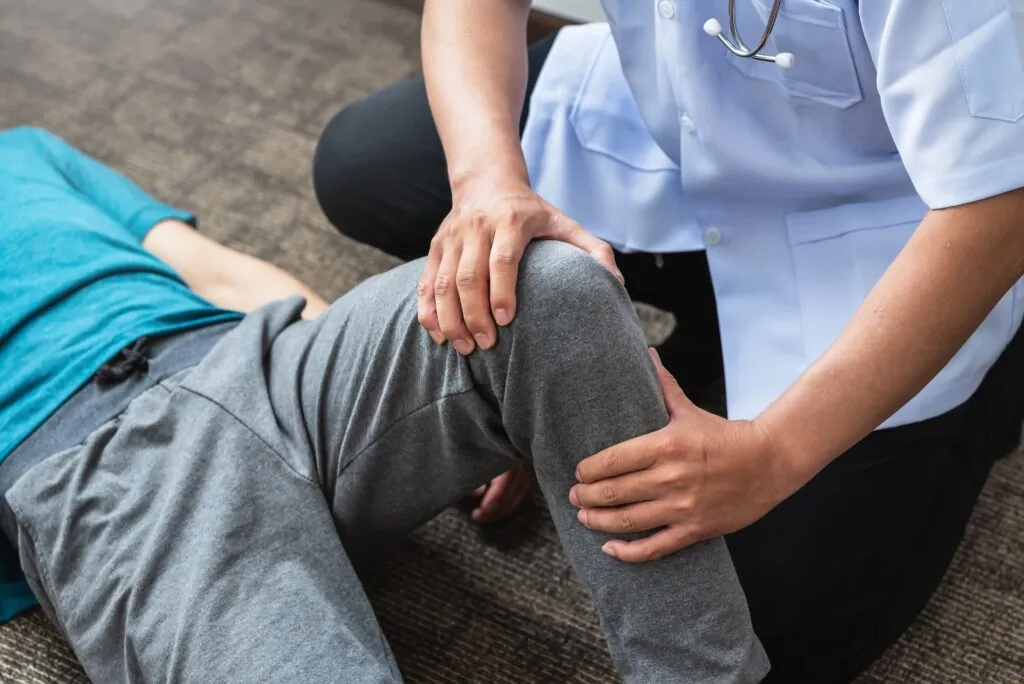
The doctor performs a thorough evaluation of knee movement, alignment, and flexibility. Strength and stability tests are conducted to identify weaknesses in the surrounding muscles while observing pain patterns during motions like squatting or stepping.
Medical History
A detailed review of the patient’s running habits, previous injuries, and the progression of symptoms provides valuable insights into the contributing factors. Questions often focus on recent training changes or any prior knee issues.
Imaging Tests
X-rays or MRI scans may be ordered to exclude other conditions, such as ligament tears or cartilage damage. These images also help assess patellar alignment and the overall health of the joint.
Treatment Strategies for Runner’s Knee
Most cases of runner’s knee can be managed effectively through non-invasive approaches.
Rest and Activity Modification
Temporarily reducing or altering high-impact activities allows the knee to heal. Low-impact alternatives such as swimming or cycling may be suitable during recovery. The duration of rest is adjusted based on the severity of symptoms.
Physical Therapy
Targeted exercises strengthen the quadriceps, hip stabilisers, and core muscles. These routines focus on improving muscle coordination, enhancing flexibility, and correcting biomechanical imbalances to reduce stress on the patella.
Ice Therapy
Applying a cold compress or ice pack to the knee after activity helps to reduce swelling and alleviate discomfort. This can be done several times a day for 15–20 minutes.
Pain Relief Medications
Over-the-counter anti-inflammatory medications, such as ibuprofen, may be recommended to manage acute pain and inflammation during the initial phase of treatment.
Preventing Runner’s Knee
Preventing runner’s knee requires adopting habits that reduce stress on the knees while maintaining proper alignment and muscle balance. Key strategies include:
Gradual Training Progression: Avoid abrupt increases in running distance or intensity. Instead, build your mileage gradually to allow your knees and surrounding muscles time to adapt. A rule of thumb is to increase weekly mileage by no more than 10%.
Regular Strength Training: Incorporate exercises targeting the hip, quadriceps, and core muscles into your routine. This supports better joint alignment and stability, reducing the risk of knee problems.
Footwear Maintenance: Replace running shoes every 400–500 miles or sooner if they show signs of wear. Ensure shoes provide adequate cushioning and arch support tailored to your foot type.
Surface Variation: Running on a mix of surfaces, such as trails, tracks, and pavement, helps distribute stress more evenly across the joints.
By prioritising these preventive measures, runners can maintain their activity levels while minimising the likelihood of developing knee discomfort.
When to Seek Medical Care
If home care does not alleviate symptoms of runner’s knee, professional medical attention may be necessary. Persistent pain that worsens over time, significant or increasing swelling, and difficulty walking or bearing weight on the affected leg are all signs to consult a healthcare provider. Additionally, symptoms such as the knee unexpectedly giving way or locking during movement may indicate underlying structural issues that require further evaluation. Seeking timely medical advice not only ensures an accurate diagnosis but also helps prevent potential complications that could prolong recovery or necessitate more intensive treatments.
Conclusion
Runner’s knee is a common but manageable condition that affects athletes and active individuals. By understanding its causes and symptoms, adopting effective treatment approaches, and practising preventive measures, most people can recover fully and return to their running routines without long-term limitations. Addressing the issue early and consistently is key to ensuring ongoing knee health.
Schedule a consultation today to receive personalised advice and a treatment plan tailored to your specific condition.