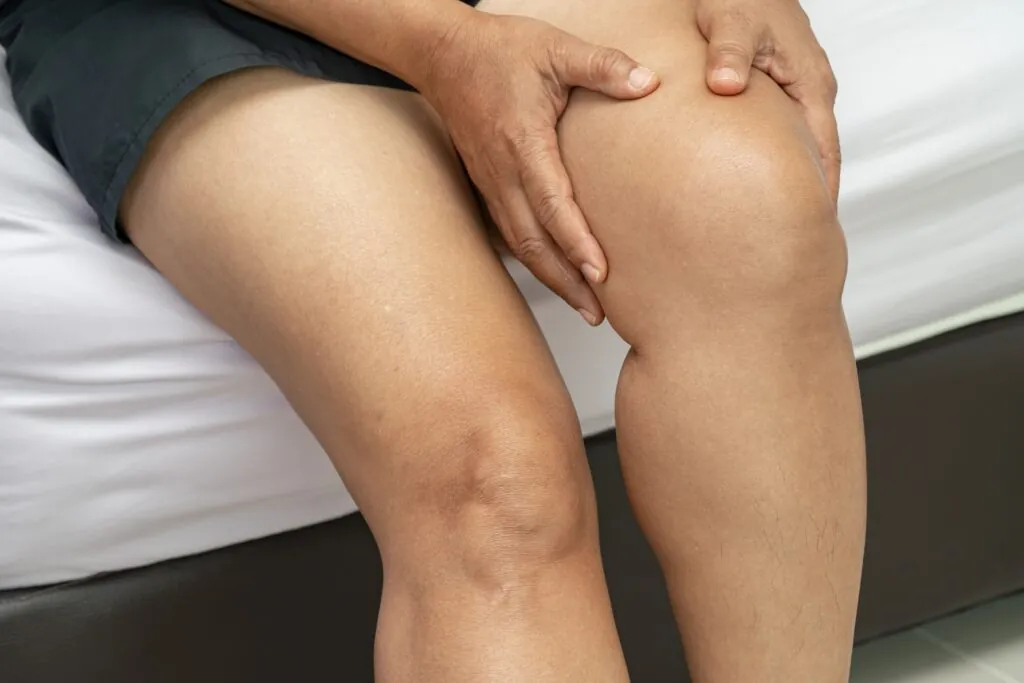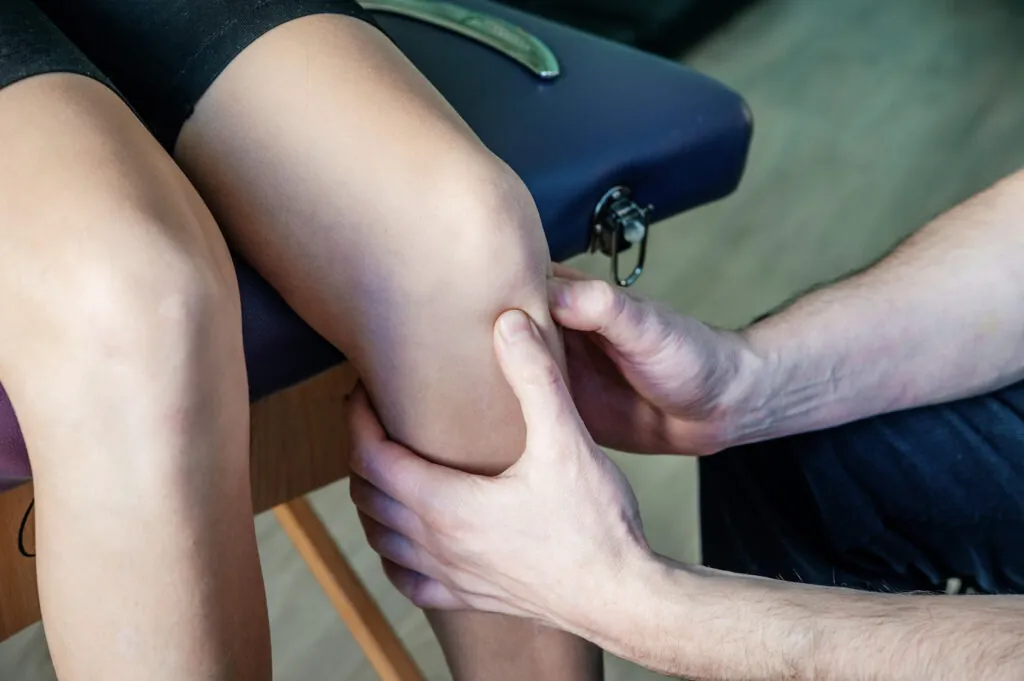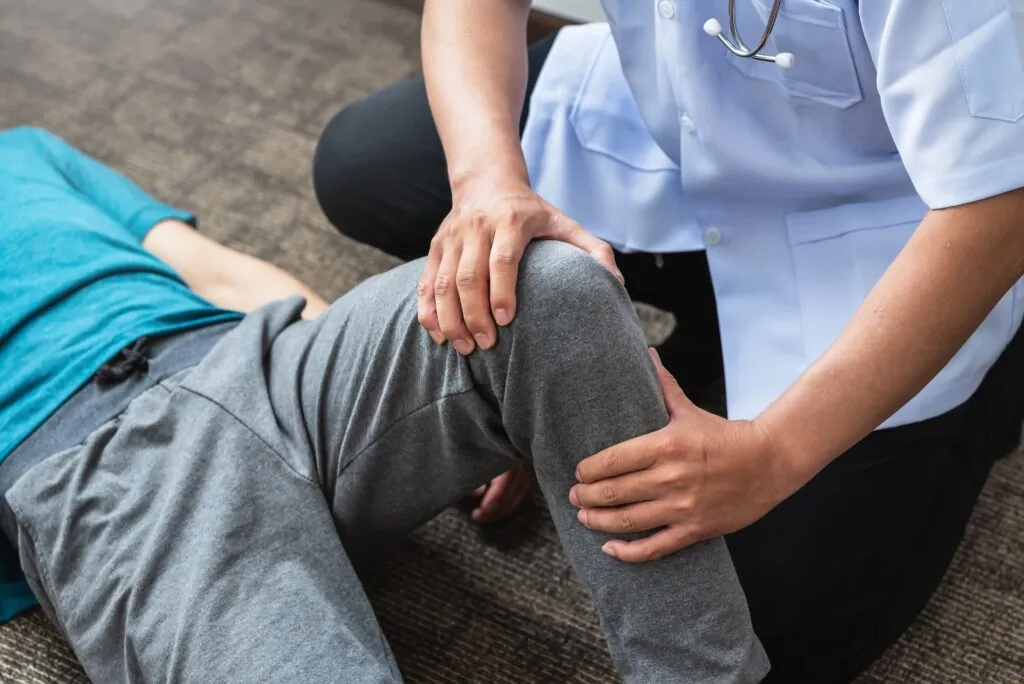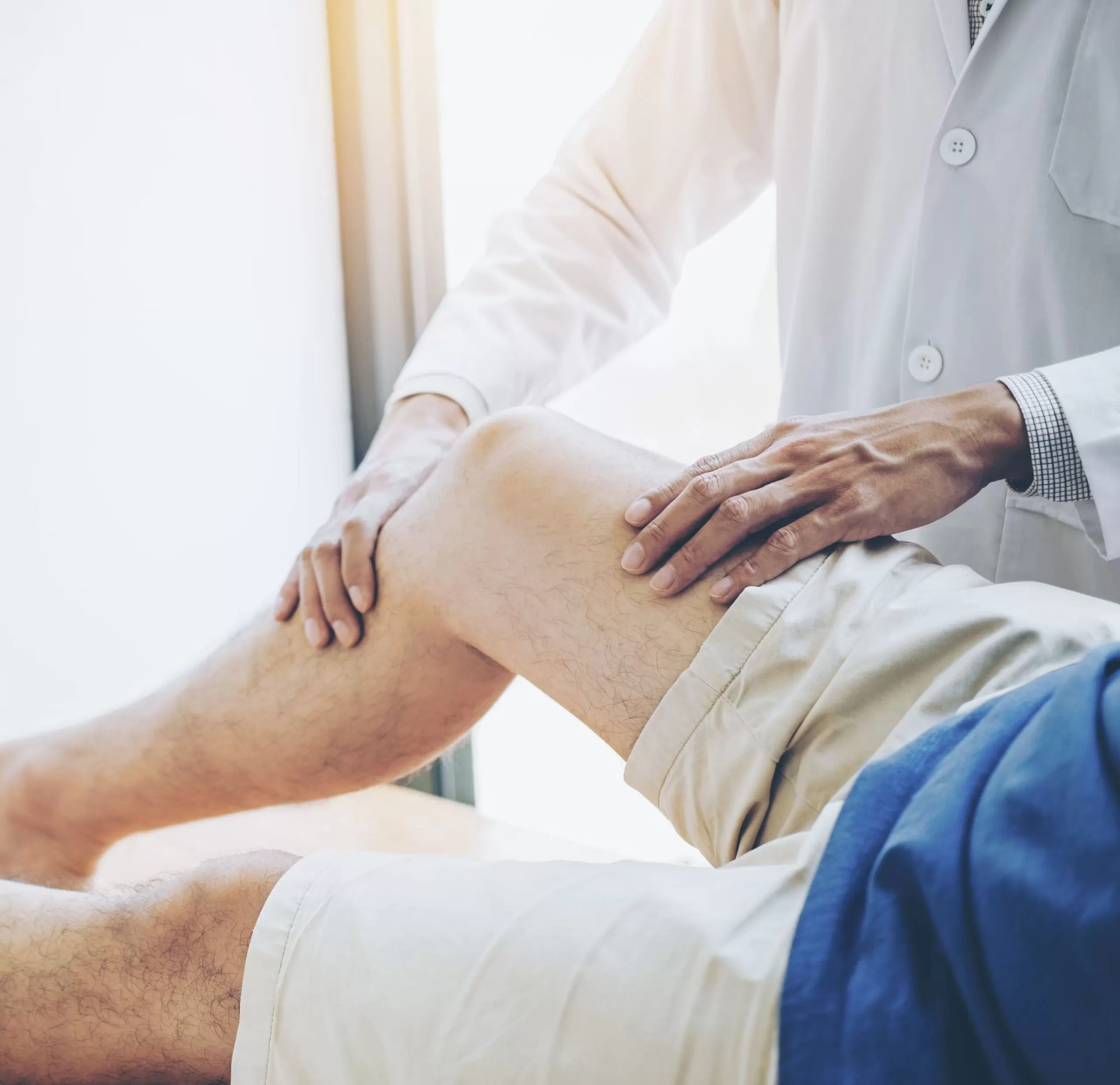
Partial knee replacement, also known as unicompartmental knee arthroplasty, offers an alternative to total knee replacement for suitable candidates. This procedure replaces only the damaged portion of the knee, preserving healthy bone and tissue. Here’s what you need to know if you’re considering this treatment option.
1. How Partial Knee Replacement Differs from Total Knee Replacement
Partial knee replacement involves replacing only one compartment of the knee joint rather than the entire joint. The knee consists of three compartments: the medial (inner), lateral (outer), and patellofemoral (kneecap) compartments. When damage affects only one of these areas, a partial replacement may be recommended.
This targeted approach preserves more of your natural knee anatomy, including healthy cartilage, bone, and ligaments. In contrast, total knee replacement involves removing and replacing the entire joint surface, regardless of whether all areas are damaged. The selective nature of partial knee replacement often results in a joint that feels more natural after surgery, as it maintains your original knee mechanics where possible.
Partial knee replacements generally require smaller incisions compared to total knee surgeries, which can lead to different recovery experiences and outcomes.
2. Ideal Candidates for the Procedure
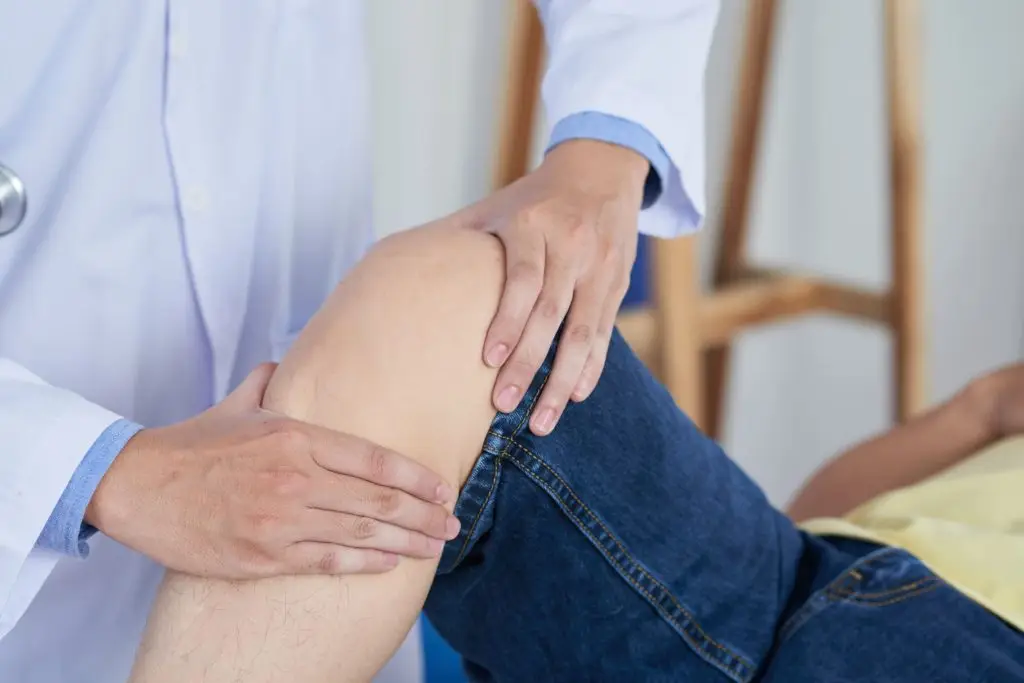
Not everyone with knee arthritis qualifies for partial knee replacement. Candidates typically have arthritis confined to a single compartment of the knee, with healthy cartilage remaining in the other areas. This can be determined through imaging studies such as X-rays and MRI scans.
Suitable patients usually have intact ligaments, particularly the anterior cruciate ligament (ACL), which maintains knee stability. Those with inflammatory conditions like rheumatoid arthritis often are not good candidates, as these conditions tend to affect multiple compartments.
Body weight affects candidate selection considerations. Patients with a body mass index (BMI) below 35 tend to have better outcomes, though this varies depending on individual circumstances. Age is another consideration, with many surgeons preferring to perform this procedure on patients over 55 years of age, though younger patients may qualify based on their specific condition.
3. Recovery Timeline and Rehabilitation Process
Recovery from partial knee replacement typically progresses more quickly than recovery from total knee replacement. Most patients can expect to spend 1-2 days in hospital following the procedure, though some may go home the same day depending on individual circumstances and hospital protocols.
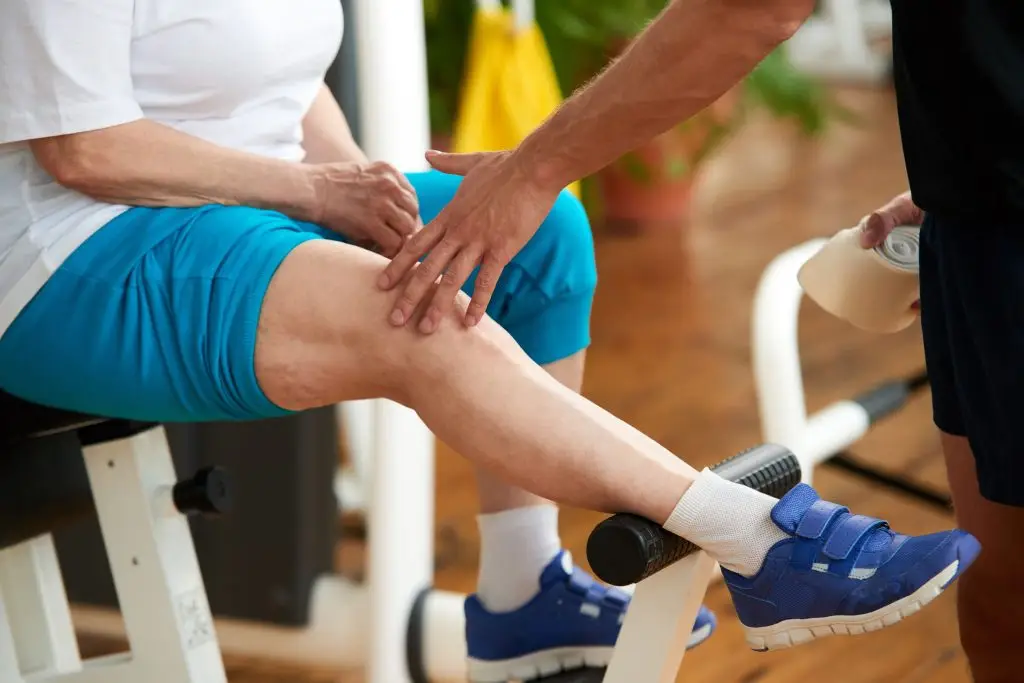
The rehabilitation process begins almost immediately after surgery. You will likely stand and attempt to walk with assistance within 24 hours. A physiotherapist will provide exercises to strengthen your knee and restore range of motion. Initially, these focus on regaining basic mobility, progressing to more challenging exercises as healing continues.
Many patients can resume desk work and light activities within 2-3 weeks, drive after 3-4 weeks (once off strong pain medication), and return to more demanding activities by 6-8 weeks. Though individual recovery varies, most people report significant pain reduction and improved function by 6 weeks post-surgery, with continued improvement for up to a year as strength and endurance build.
4. Long-term Outcomes and Implant Longevity
Modern partial knee replacements demonstrate impressive longevity when properly performed on appropriate candidates. Current research shows that many partial knee replacements remain functional at 10 years and beyond, though outcomes vary based on patient factors and surgical technique.
Younger, more active patients should be aware that implant wear increases with higher activity levels. However, advances in materials and designs continue to improve durability. Bearing surfaces now commonly use highly cross-linked polyethylene, which shows better wear resistance than earlier materials.
5. Potential Risks and Limitations
As with any surgical procedure, partial knee replacement carries certain risks. These include infection, blood clots, stiffness, and implant loosening over time. Complications tend to be less common than with total knee replacement due to the less invasive nature of the procedure.
Some patients report continued mild discomfort or awareness of the implant, particularly during weather changes or after prolonged activity. While most achieve good pain relief, the procedure may not eliminate all knee sensations or discomfort.
A limitation specific to partial knee replacement is the potential for arthritis to develop in the untreated compartments of the knee. Should this happen, the implant may need to be revised to a total knee replacement.
Conclusion
Partial knee replacement provides benefits for suitable candidates, including faster recovery, more natural knee function, and preservation of healthy tissue. Knowing these five key aspects allows for informed discussions with your orthopaedic surgeon about whether this procedure might suit your needs.
Schedule a consultation today to discuss your options and determine if partial knee replacement can help restore your mobility and quality of life.