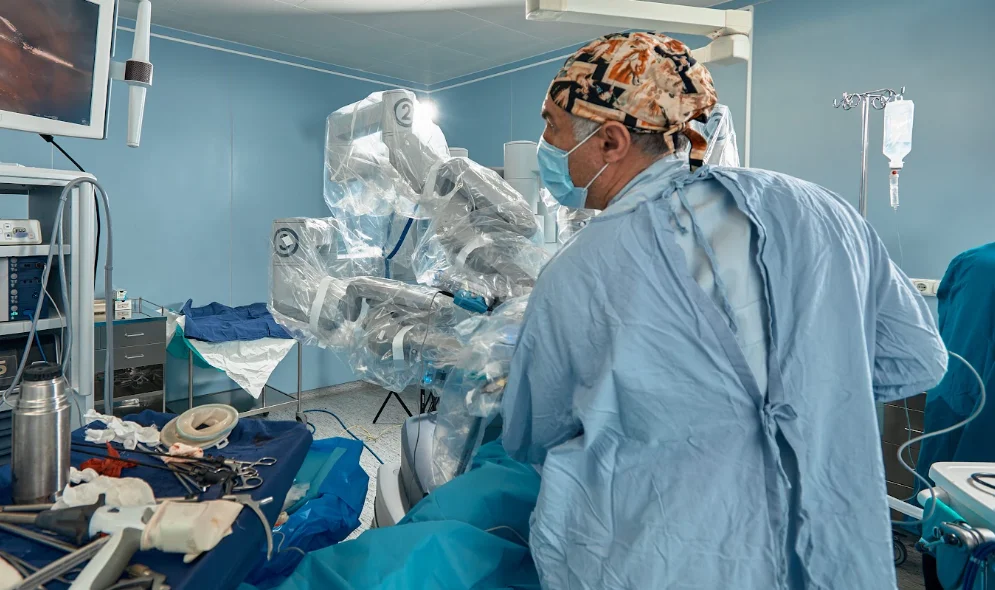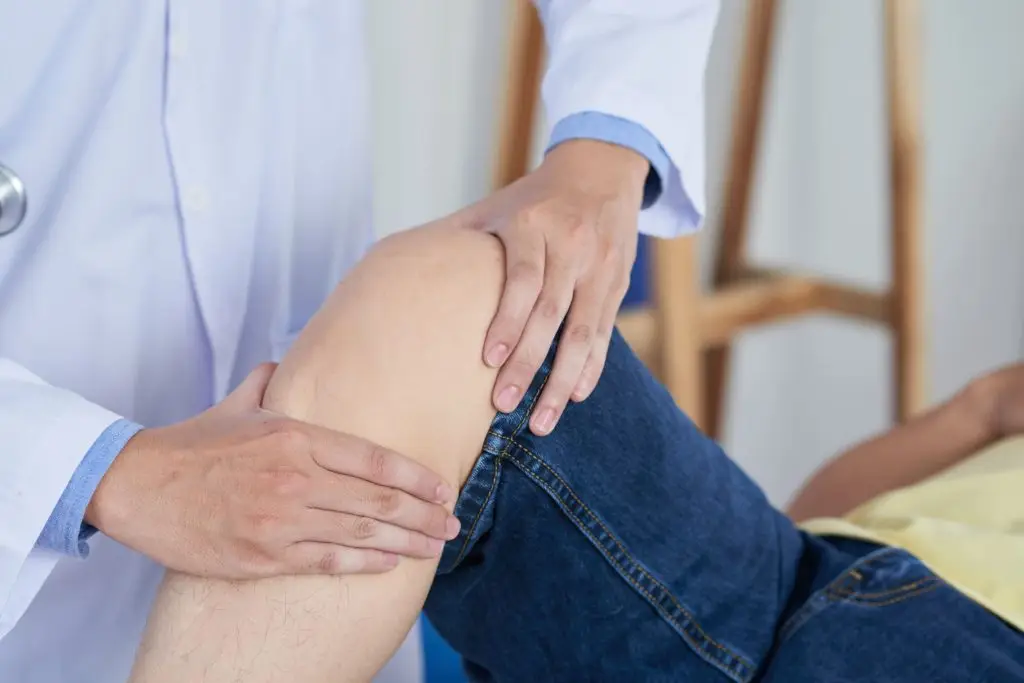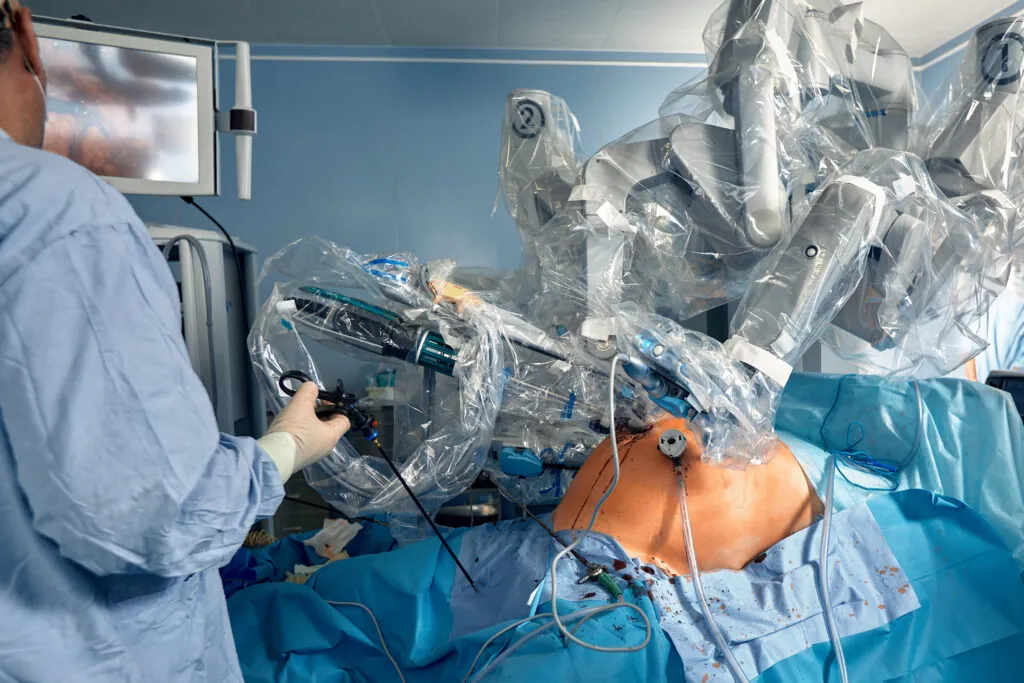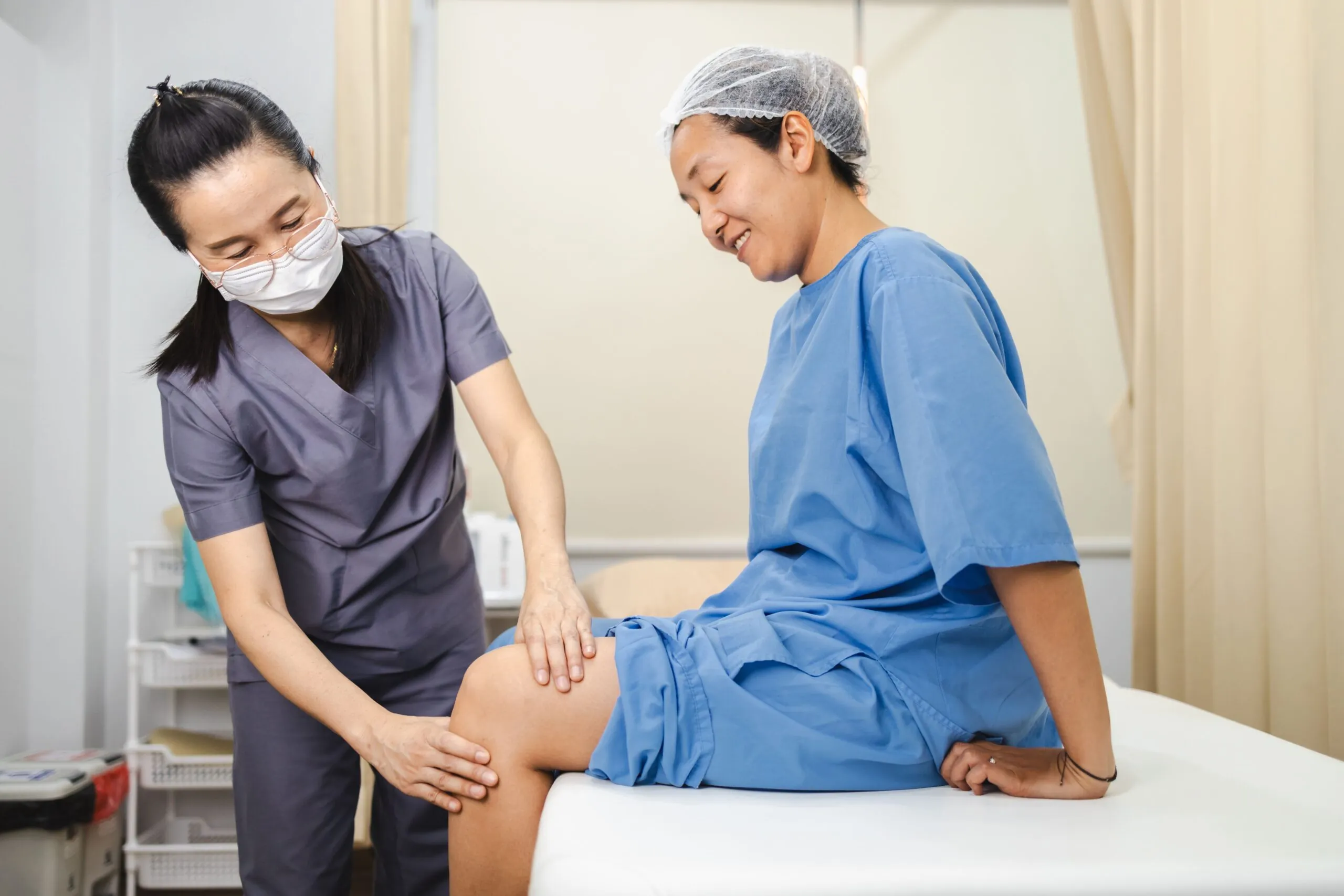
Meniscus surgery is a common procedure performed to repair or remove damaged cartilage in the knee joint. The recovery process varies depending on the type of procedure, extent of the damage, and individual health factors. This article outlines what patients can expect during their recovery journey following meniscus surgery.
Types of Meniscus Surgery
Meniscus surgery typically falls into two main categories, each with different recovery implications.
Meniscectomy: This procedure involves removing the damaged portion of the meniscus. It is generally performed when the tear cannot be repaired, often in the inner two-thirds of the meniscus where blood supply is poor.
Meniscus Repair: In this procedure, the surgeon stitches the torn pieces of the meniscus together. This is typically performed when the tear is in the outer third of the meniscus, where blood supply is adequate for healing.
Immediate Post-Surgery Phase (Days 1-7)
The first week after surgery focuses on managing pain, reducing swelling, and protecting the surgical site.
Pain Management: Most patients experience moderate pain that can be managed with prescribed medications. The pain typically begins to subside after 48-72 hours. Cold therapy is often recommended to reduce both pain and swelling.
Mobility Restrictions: Depending on the type of surgery, patients may be advised to limit weight-bearing. After a meniscectomy, patients can often bear weight as tolerated with crutches, while meniscus repair patients may need to avoid weight-bearing for up to six weeks.
Initial Exercises: Simple exercises such as ankle pumps, quadriceps sets, and straight leg raises are often introduced during this phase. These help maintain muscle tone without placing stress on the healing meniscus.
Wound Care: Keeping the incision clean and dry is necessary. The surgical dressing is typically removed after 48 hours, with stitches or staples removed at a follow-up appointment approximately 10-14 days post-surgery.]
Early Recovery Phase (Weeks 2-4)
During this phase, patients begin to regain mobility and strength in the affected knee.
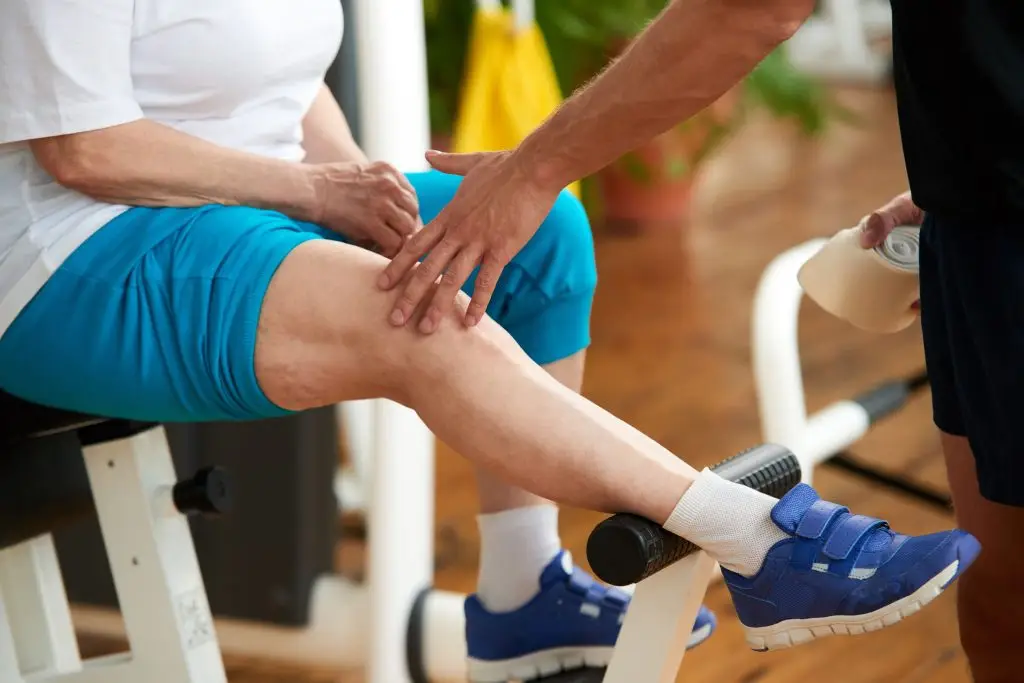
Physical Therapy: Formal physical therapy often begins during this period. Sessions focus on restoring range of motion, rebuilding strength, and improving balance.
Progressive Weight-Bearing: For meniscectomy patients, full weight-bearing without crutches is often possible by the end of this phase. Meniscus repair patients may still be using crutches with partial weight-bearing.
Daily Activities: Many patients can return to desk jobs or light duties at work within 1-2 weeks after a meniscectomy, while meniscus repair patients may require 3-4 weeks off work, particularly if their job involves standing or physical labour.
Swelling Management: Intermittent swelling is common during this phase and can be managed with rest, elevation, and cold therapy.
Mid-Recovery Phase (Weeks 5-8)
This phase sees significant improvements in function and independence.
Advanced Strengthening: Exercises become more challenging during this phase, incorporating resistance training and functional movements that mimic daily activities.
Return to Normal Gait: Most patients have returned to a normal walking pattern by this stage, though meniscus repair patients may still be working on this aspect.
Driving: Many patients can resume driving by week 6-8, provided they have adequate control of the affected leg and are not taking narcotic pain medication.
Reduced Pain and Swelling: Most patients experience significant reductions in pain and swelling, though some discomfort during increased activity levels is normal.
Late Recovery Phase (Months 3-6)
This phase focuses on returning to pre-injury activity levels and preventing future injuries.
Sport-Specific Training: Athletes begin sport-specific exercises and drills to prepare for a return to their chosen activities. This includes agility training, jumping, and pivoting exercises. Proper knee mechanics during these drills are critical; if your meniscus or surrounding muscles are still weak, pivoting can easily overload your ligaments, putting you at risk for secondary injuries that require ACL tear surgery in Singapore.
Full Range of Motion: By this stage, most patients have regained full or near-full range of motion in the knee joint.
Return to Sports: Return to recreational sports typically occurs around 3-4 months after a meniscectomy and 4-6 months after a meniscus repair, though this varies based on individual progress and surgical outcome.
Long-Term Strengthening: Ongoing strengthening exercises for the quadriceps, hamstrings, and core help support the knee and prevent future injuries.
Factors Affecting Recovery Time
Several factors can influence the speed and quality of recovery following meniscus surgery.
Age: Younger patients typically heal faster than older patients due to better blood supply and tissue regeneration.
Type of Tear and Procedure: Meniscectomy generally has a shorter recovery time than meniscus repair but may have long-term implications for knee health.
Pre-Surgery Fitness Level: Patients who were physically fit before surgery often recover more quickly.
Adherence to Rehabilitation: Following the prescribed rehabilitation programme is perhaps the most significant factor in achieving optimal recovery.
Maximising Recovery Success
To optimise recovery after meniscus surgery, patients should adhere strictly to weight-bearing restrictions set by their surgeon to protect the healing tissue. Attending all scheduled physical therapy sessions is directly linked to better outcomes. A healthy diet supports tissue healing and weight management, reducing stress on the knee joint. Finally, patients should increase activity levels gradually under professional guidance rather than rushing back to high-impact activities, which could jeopardise surgical results.
Conclusion
Recovery from meniscus surgery is a gradual process that requires patience and dedication to rehabilitation. The timeline provided offers general guidance, though each patient’s experience will differ based on individual factors. Working closely with healthcare providers throughout your recovery journey will help achieve optimal results. Many patients can return to their previous activities within 3-6 months, depending on the type of procedure performed.
Schedule a consultation today to discuss your knee concerns and create a personalised treatment plan.